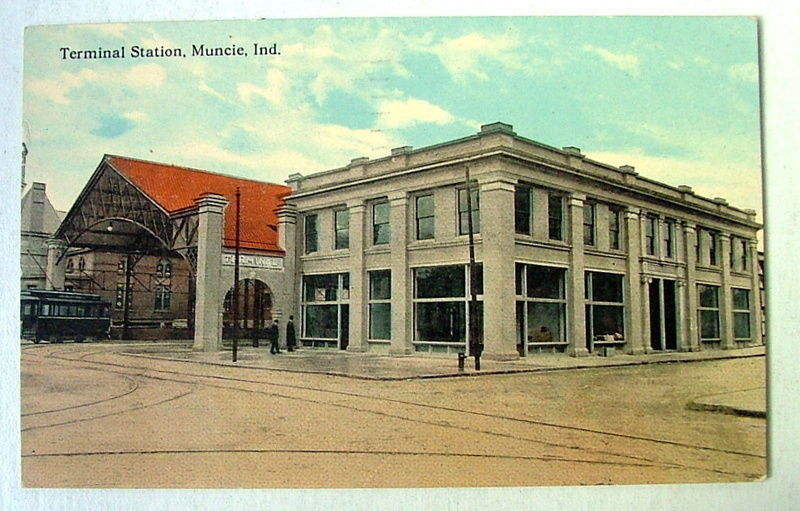
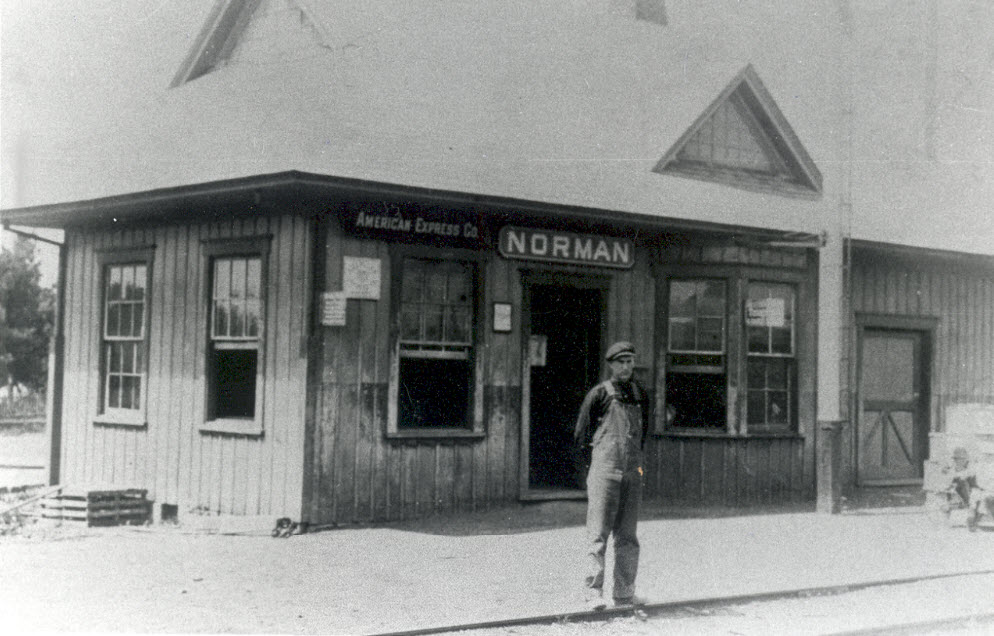
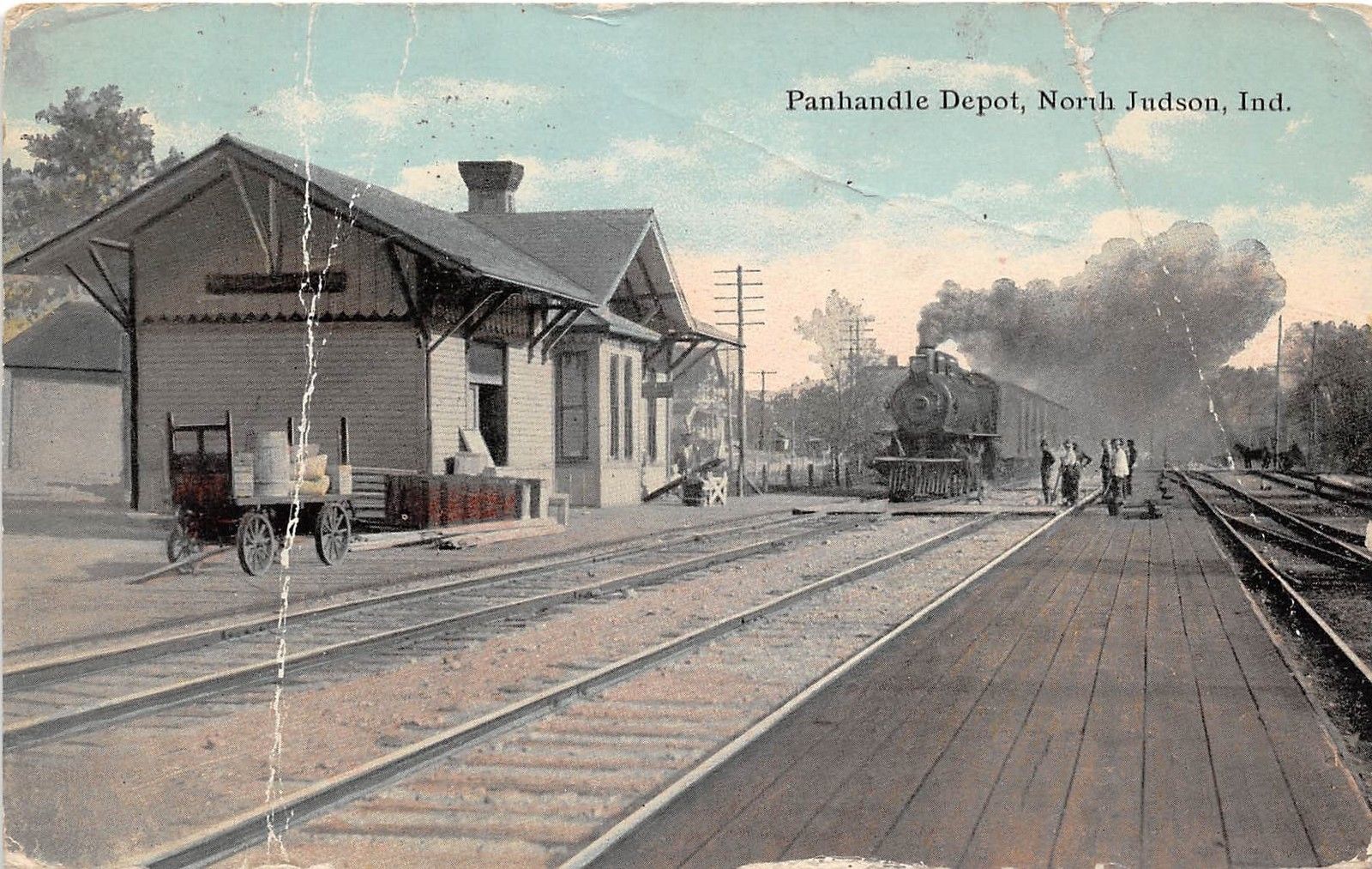
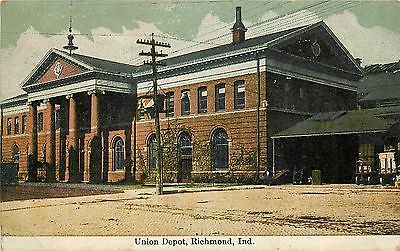
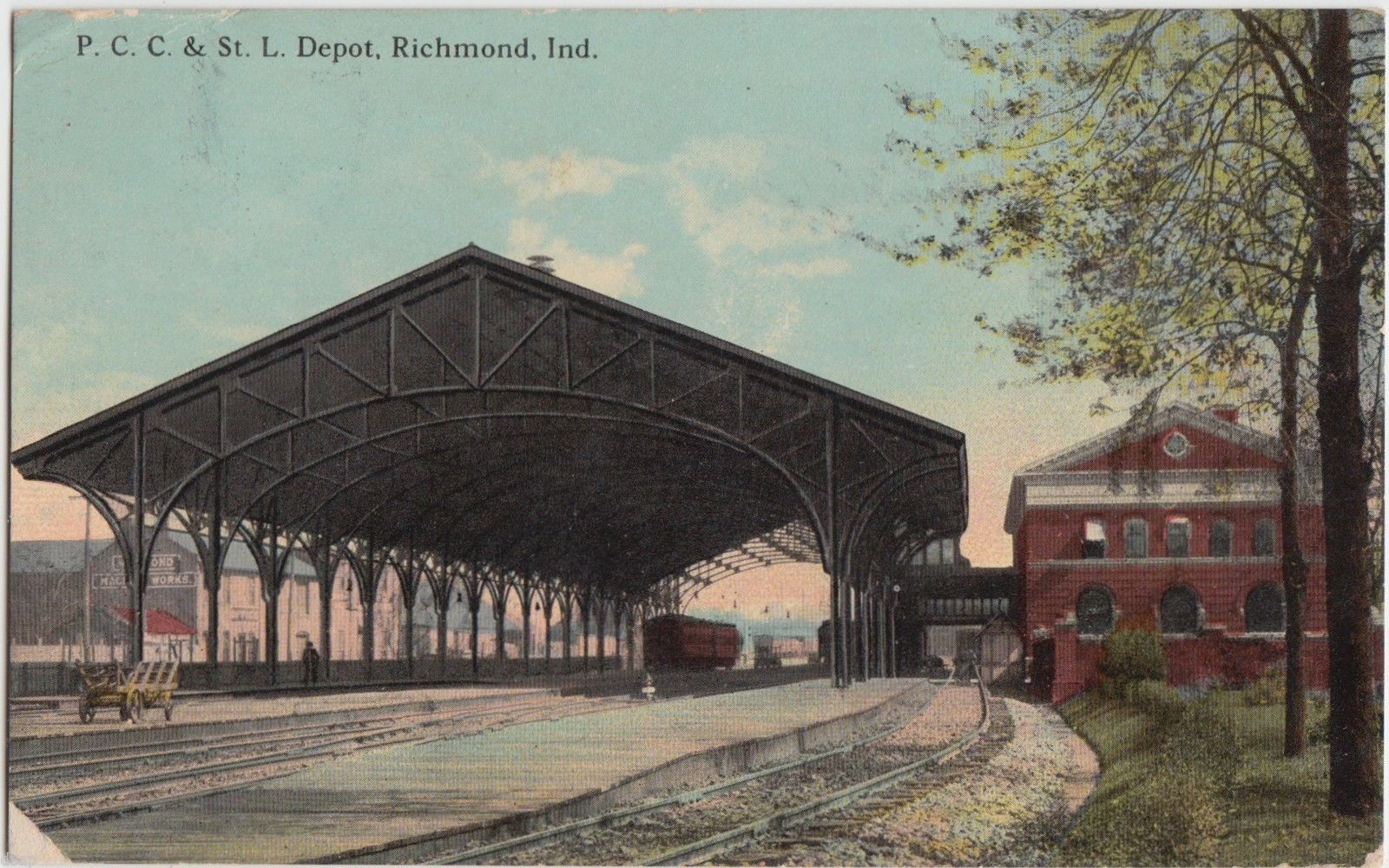
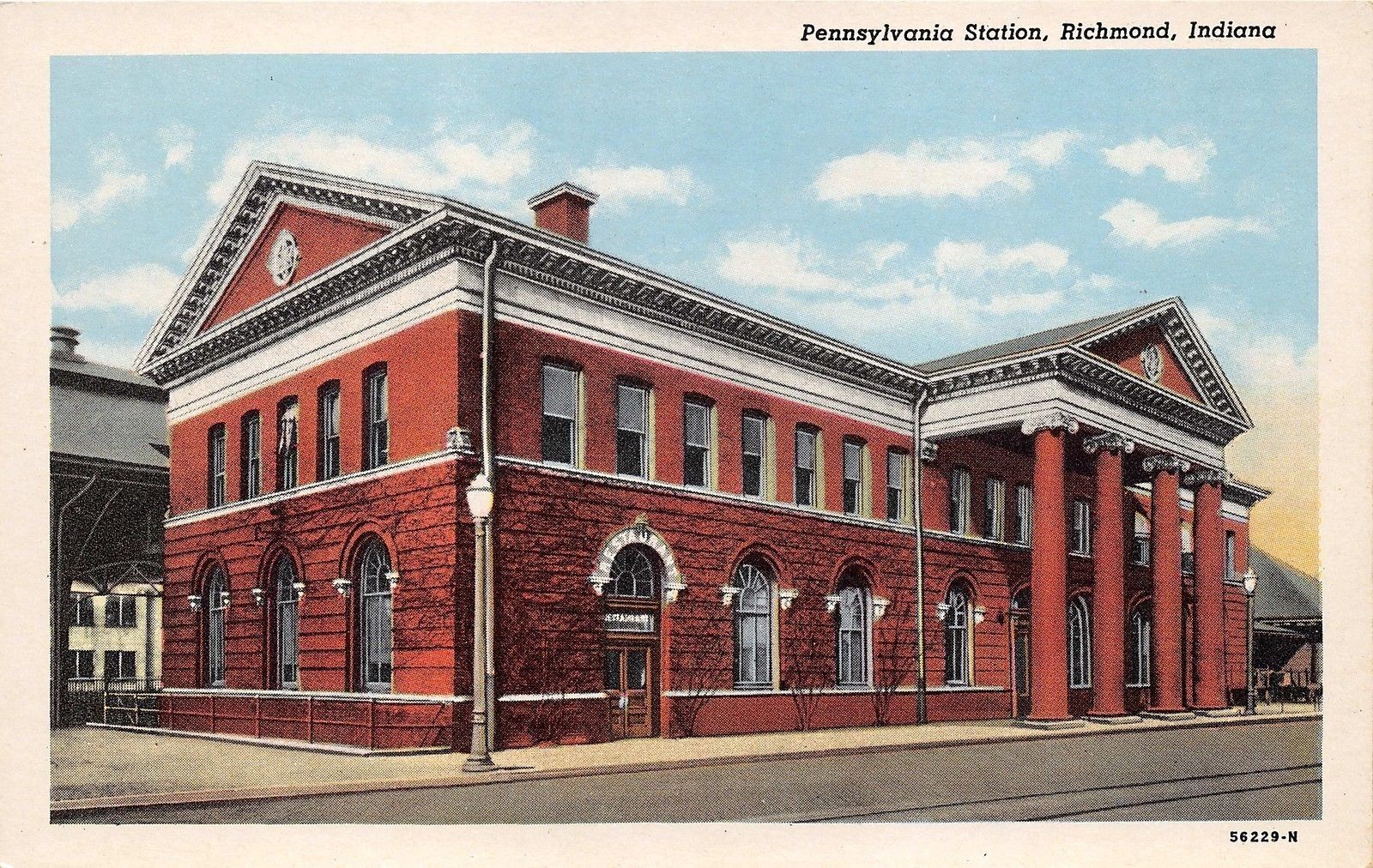
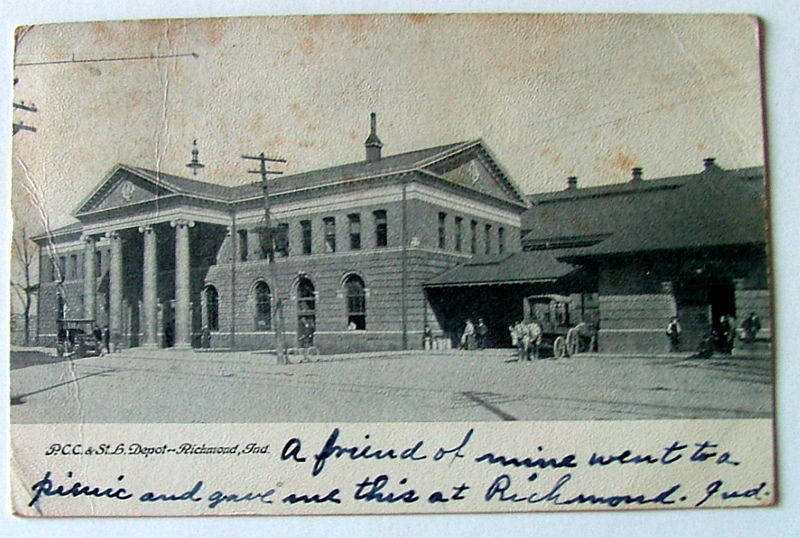
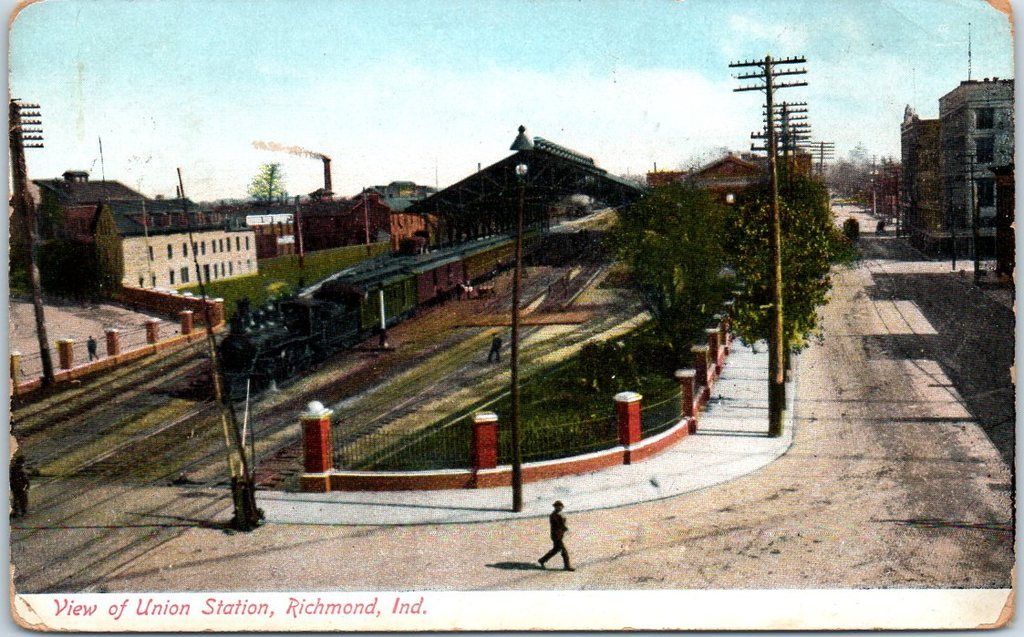
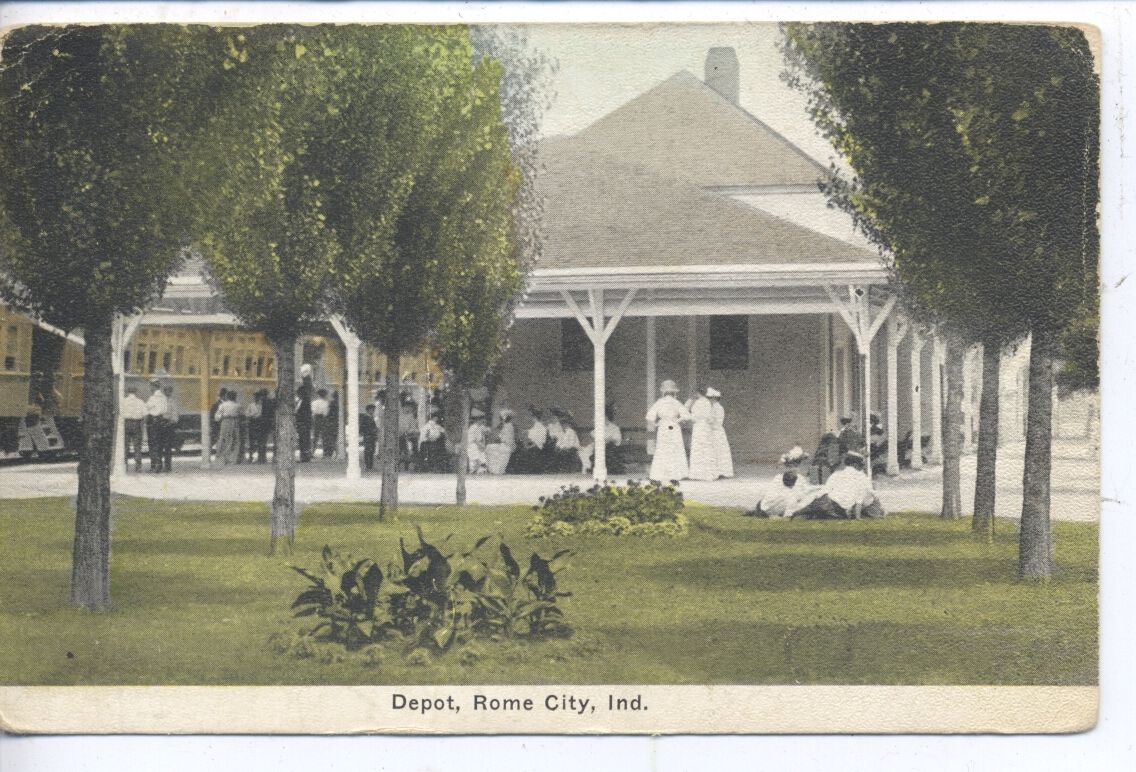
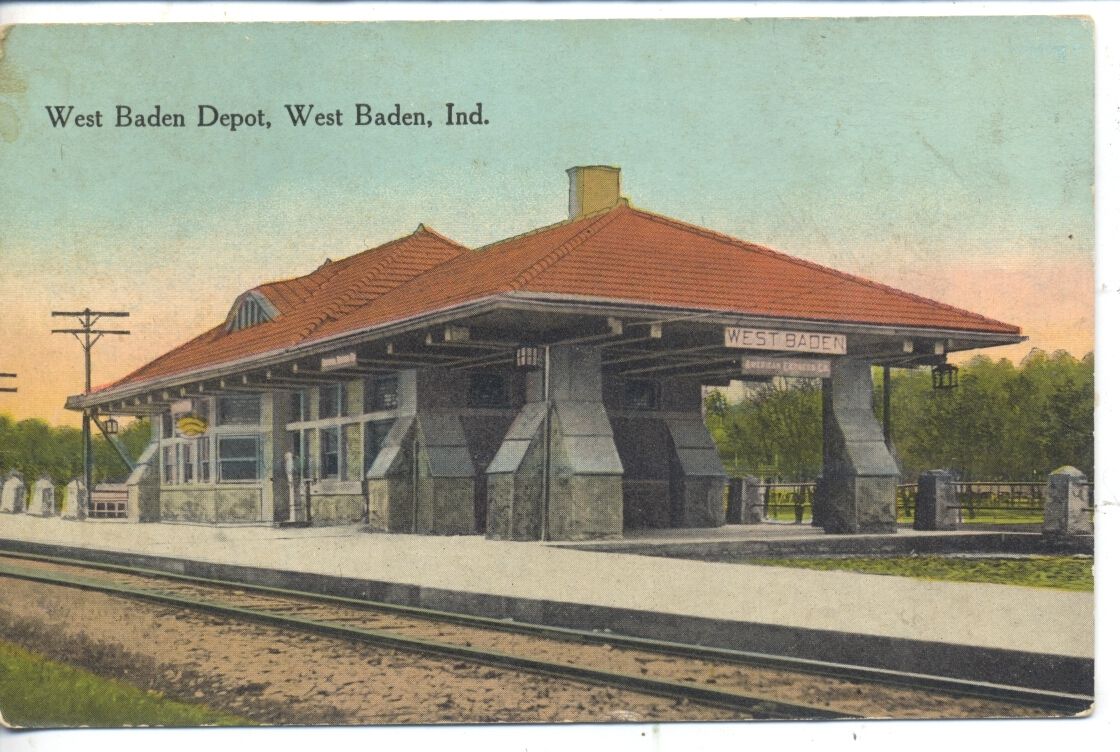
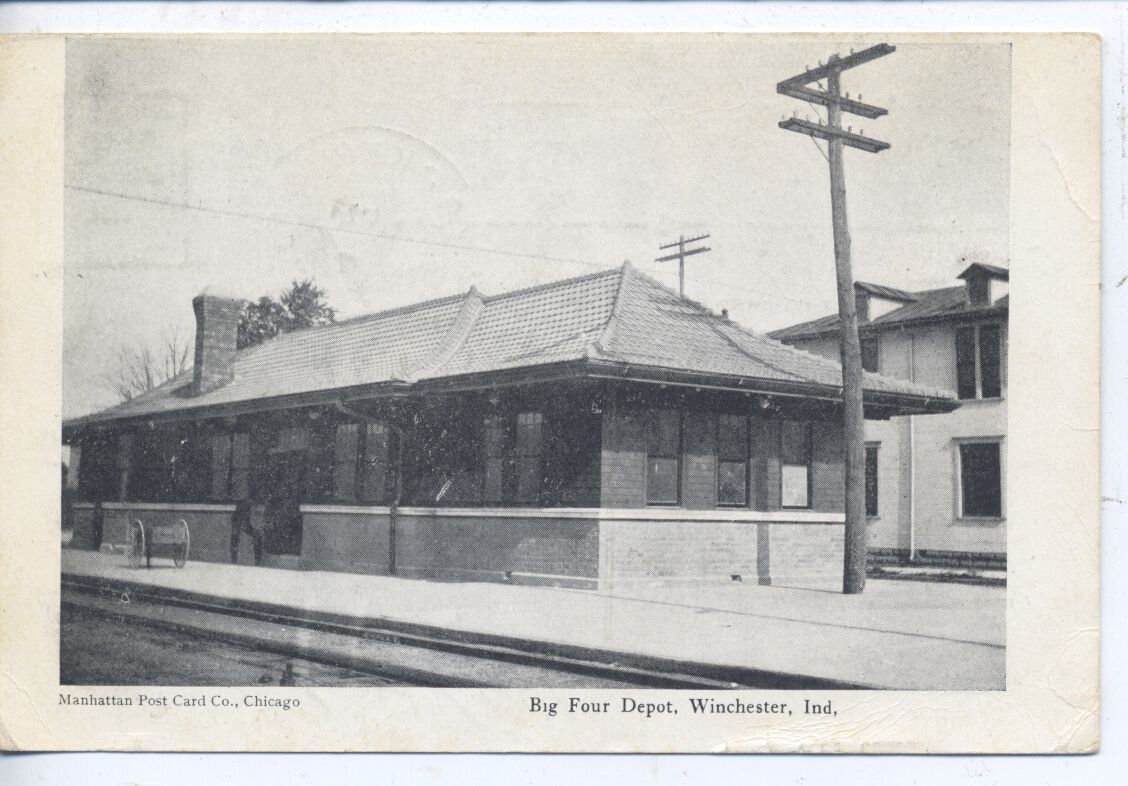
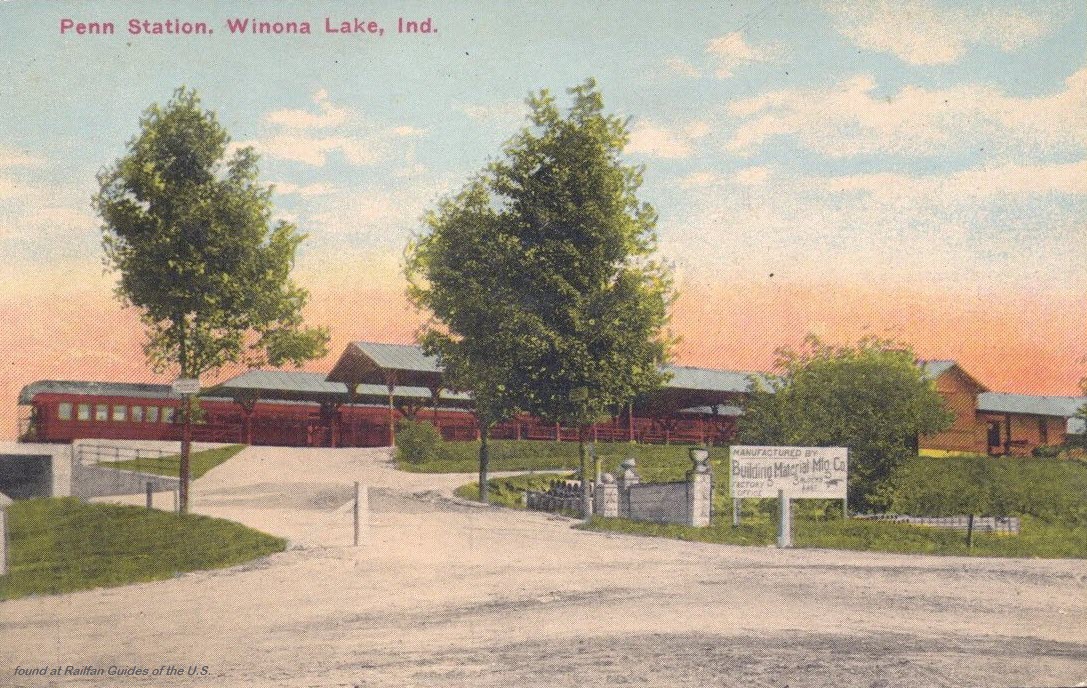
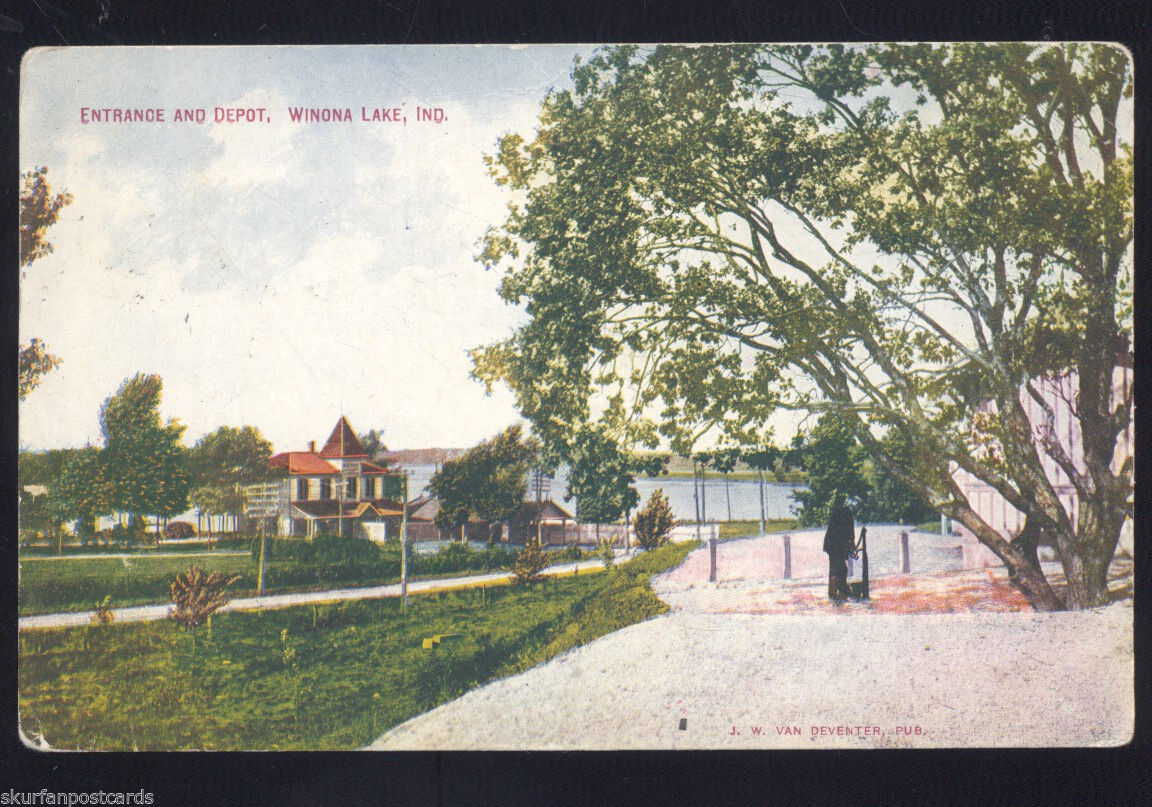
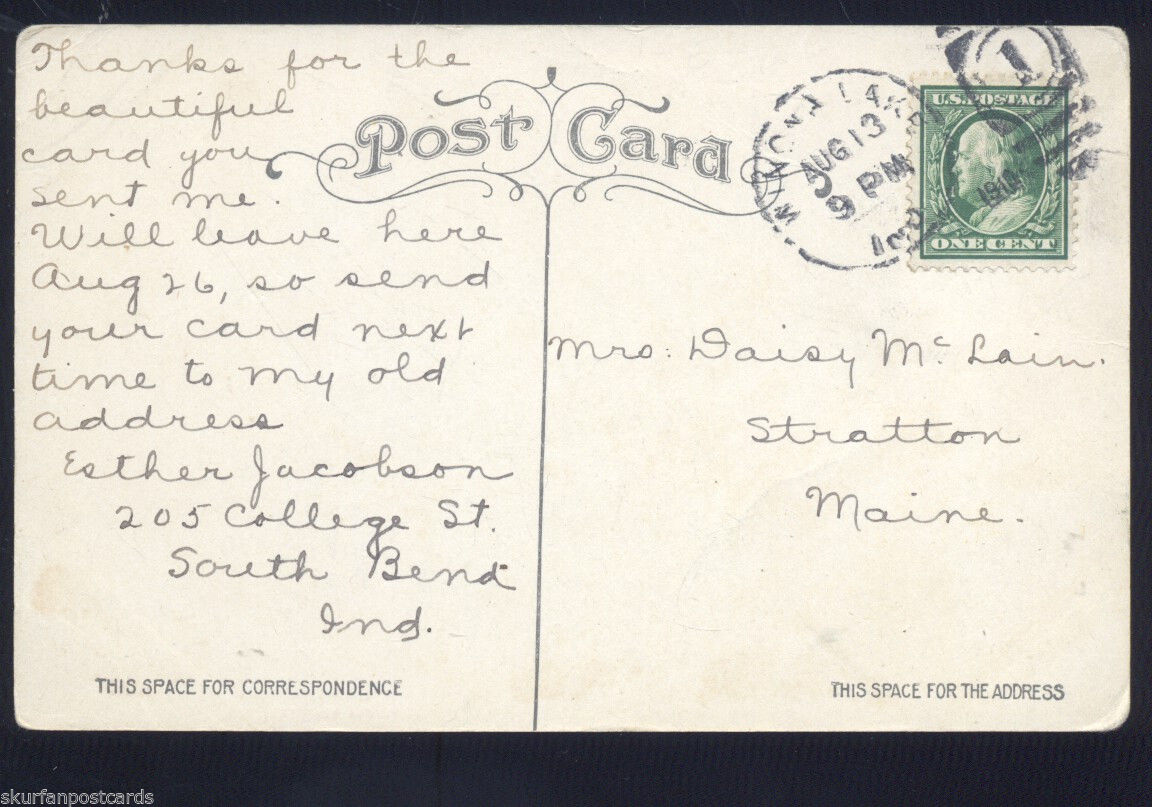
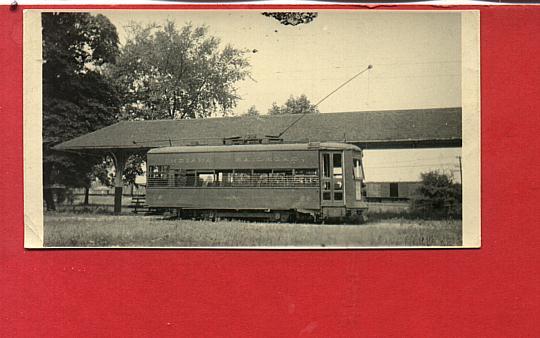
One of the better resources I have come across to this end is the plethora of
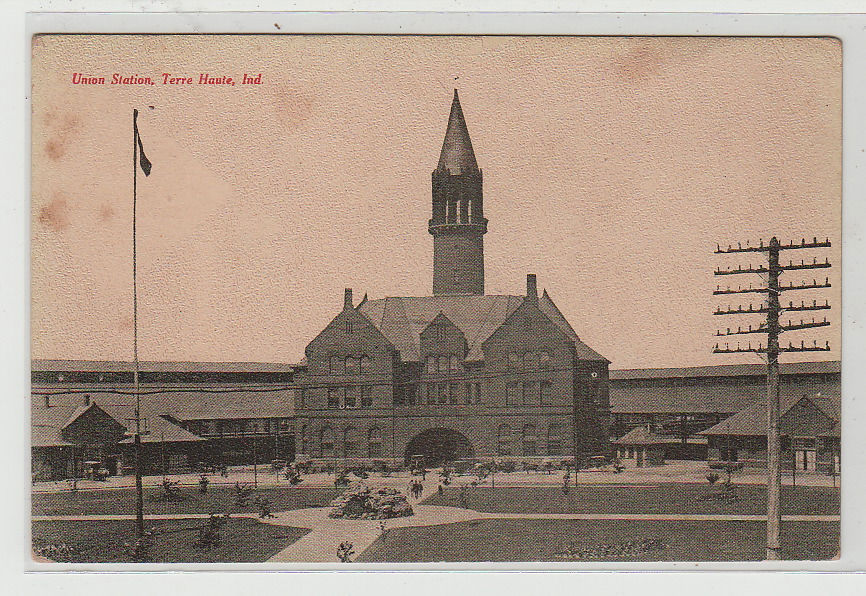
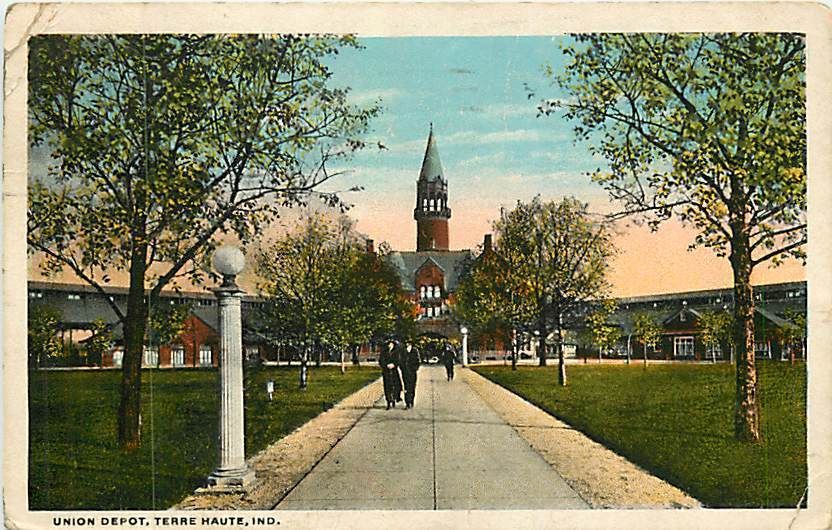
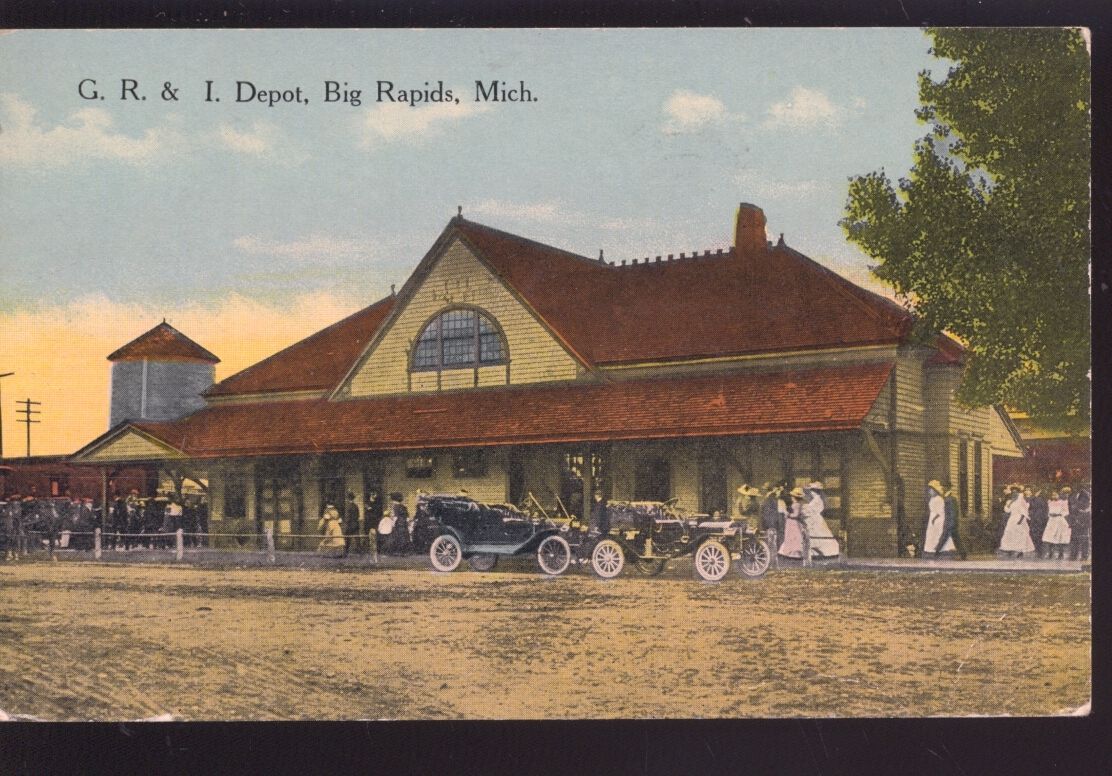
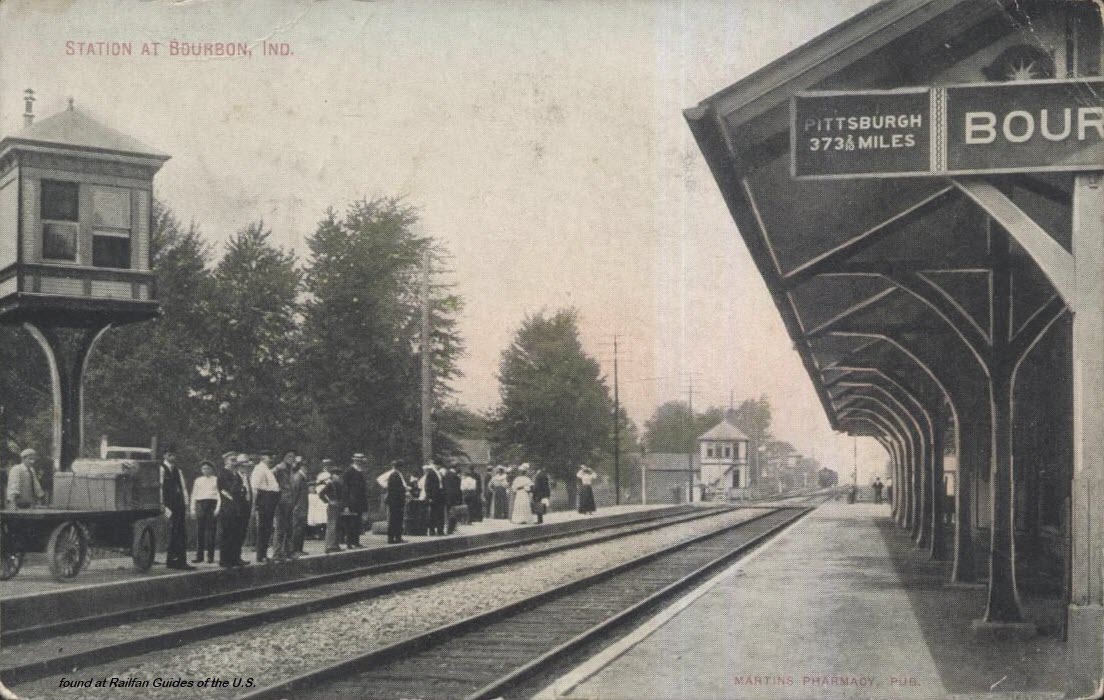
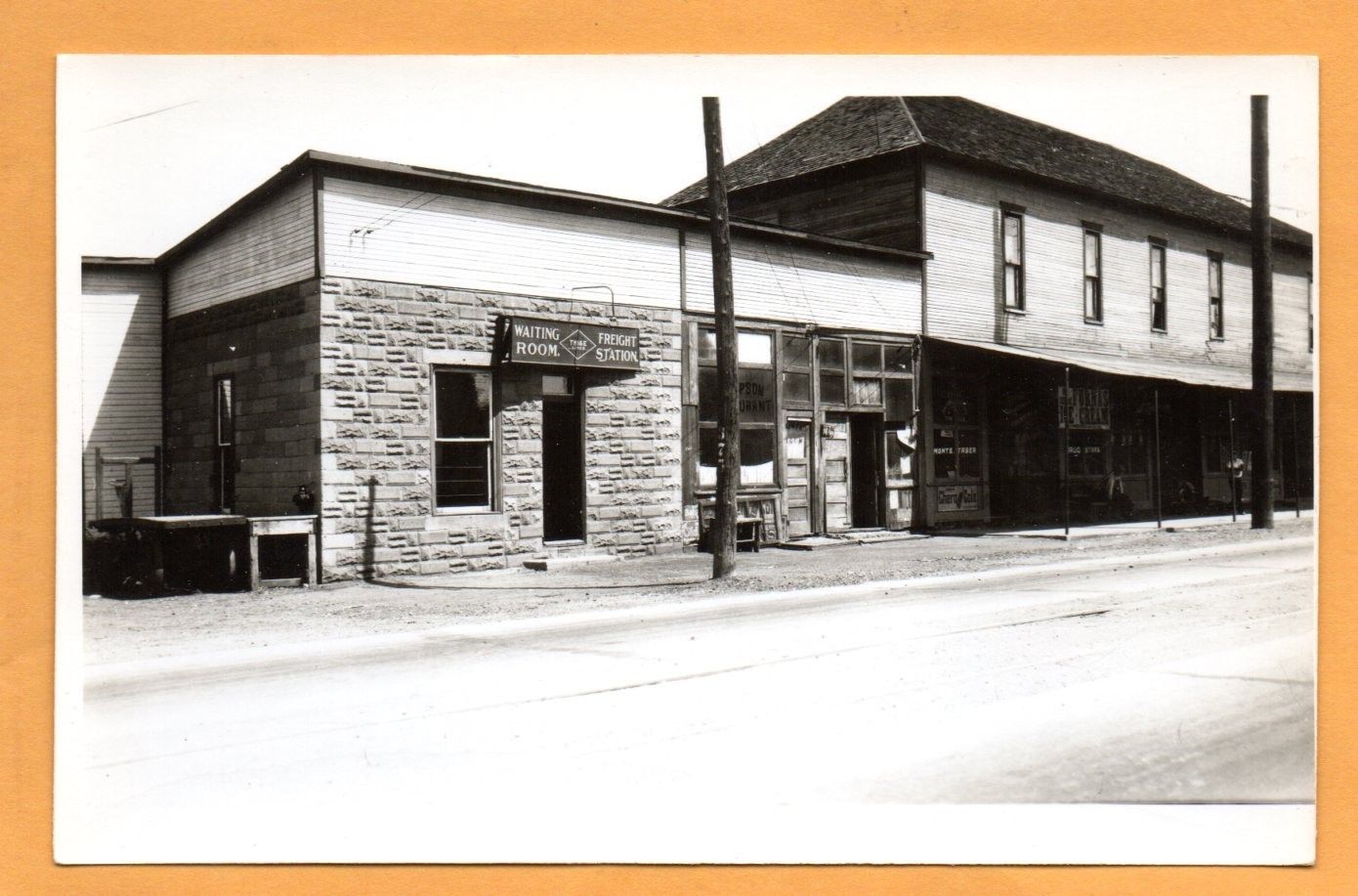
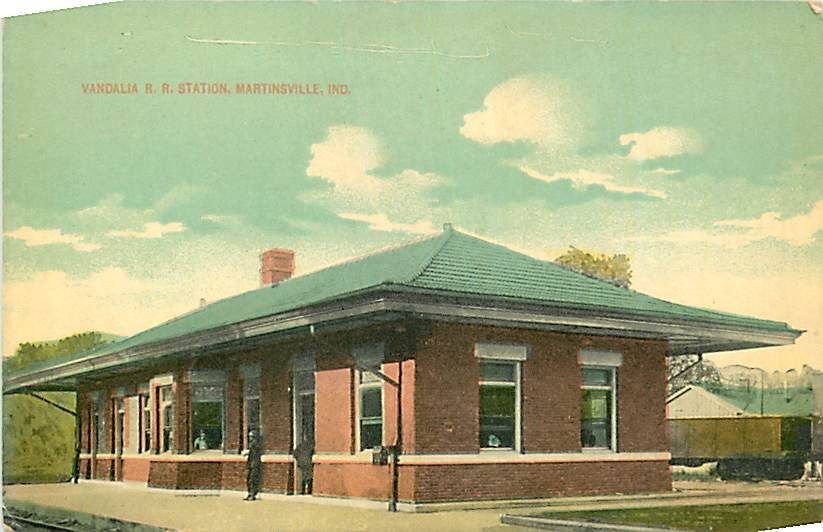
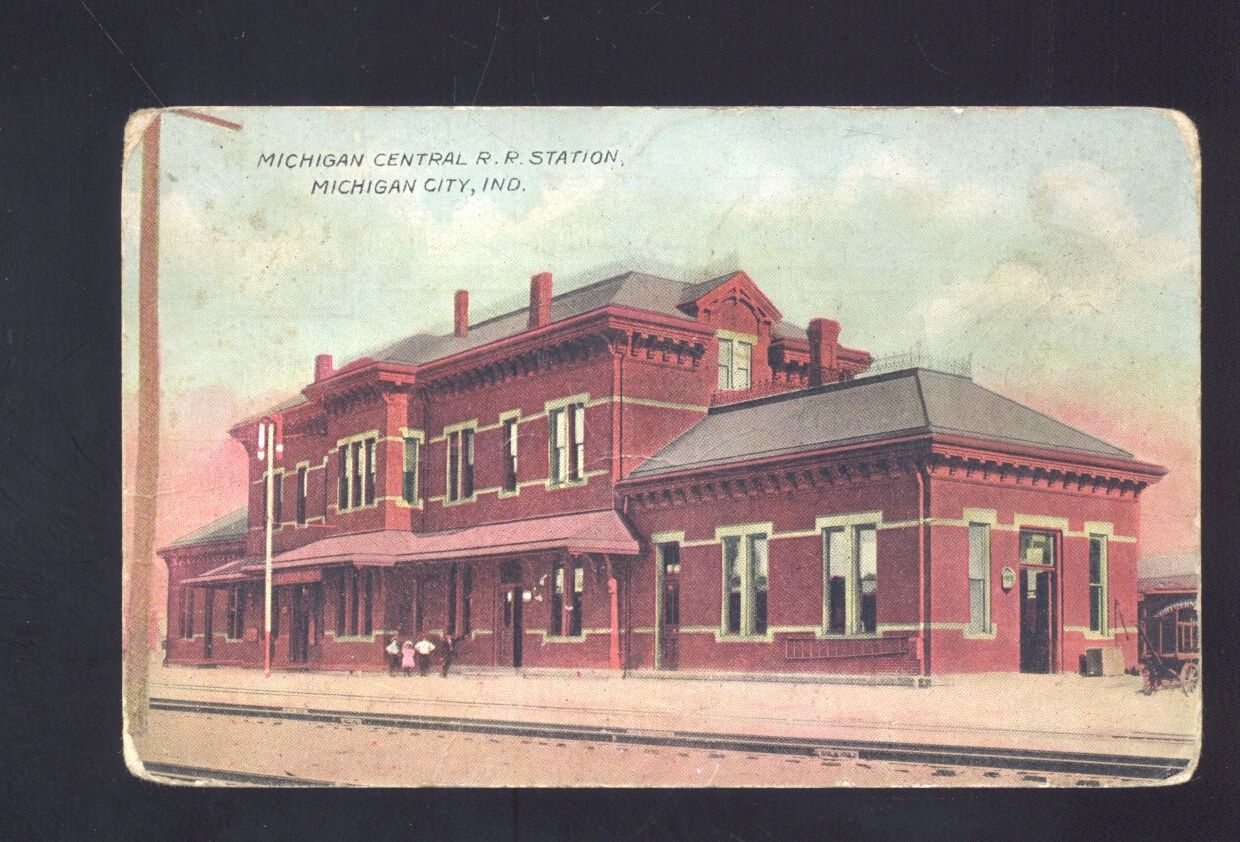
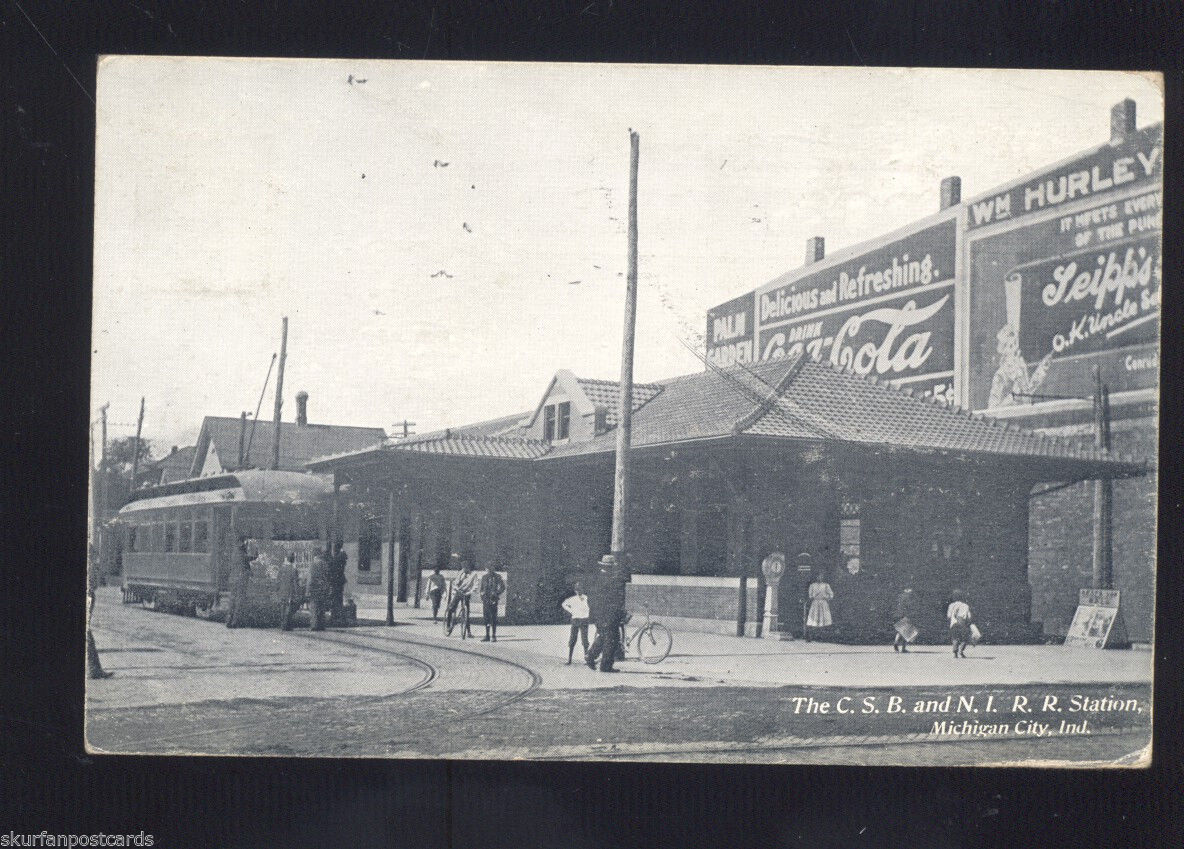
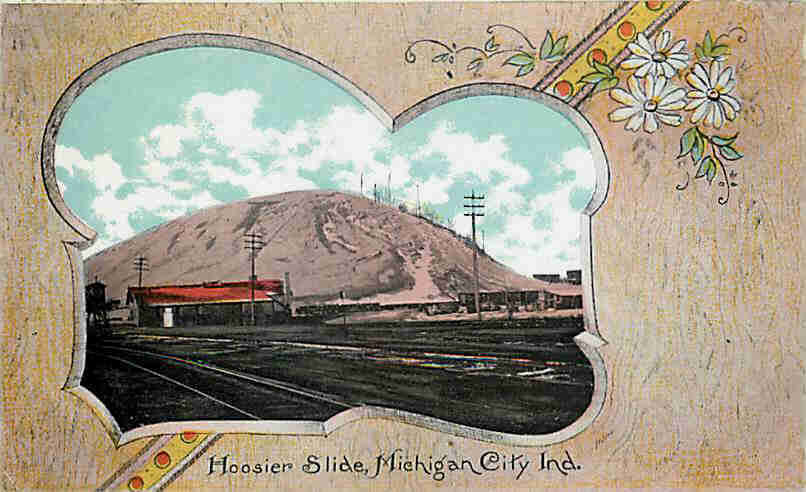
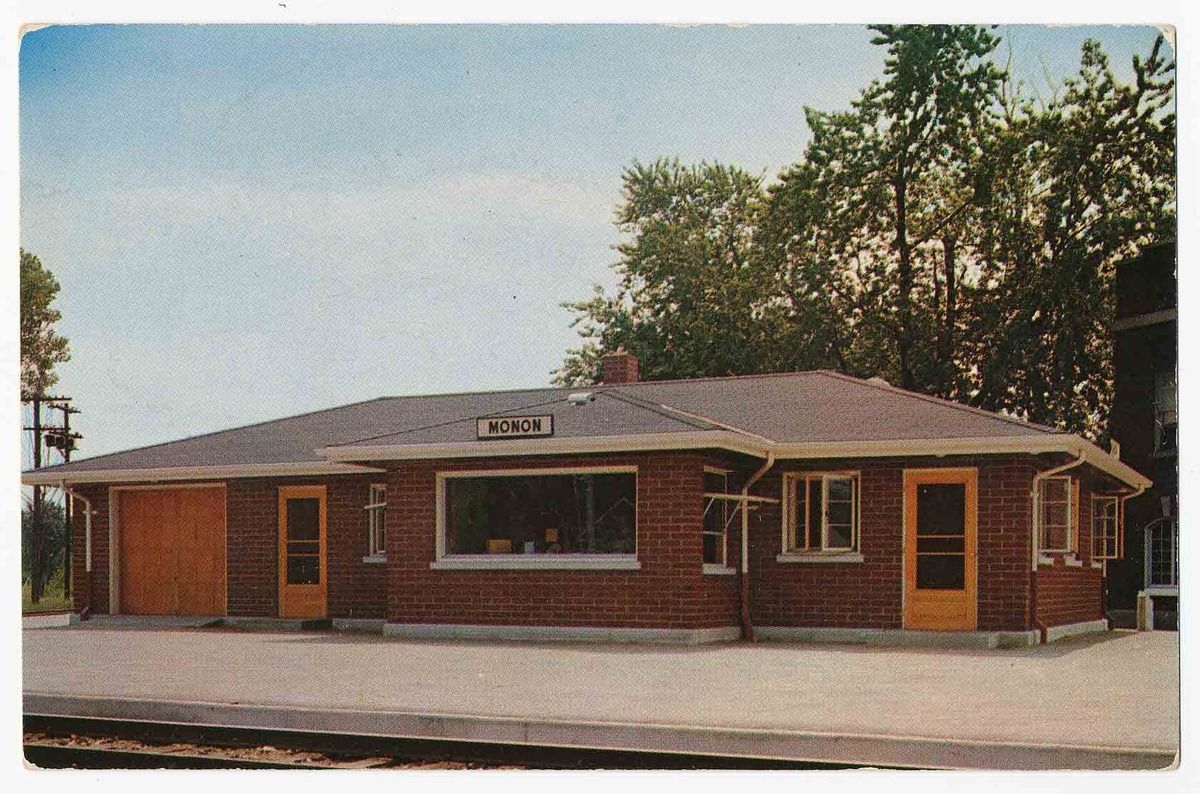
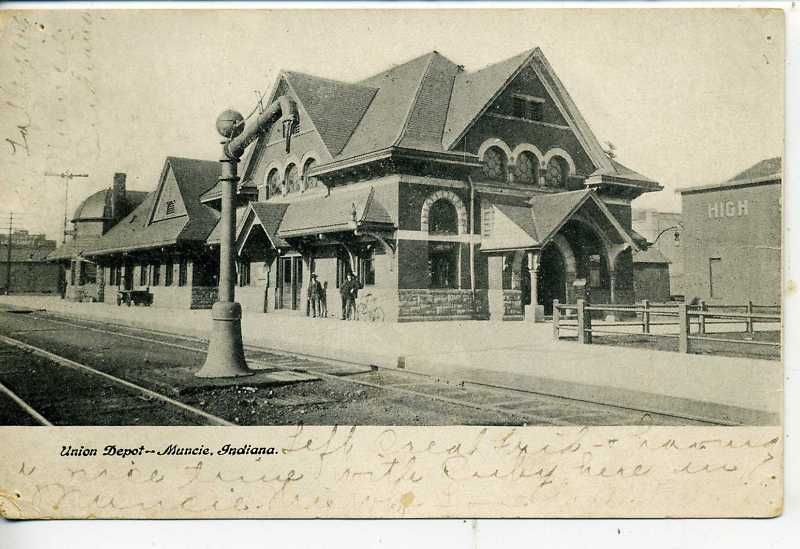
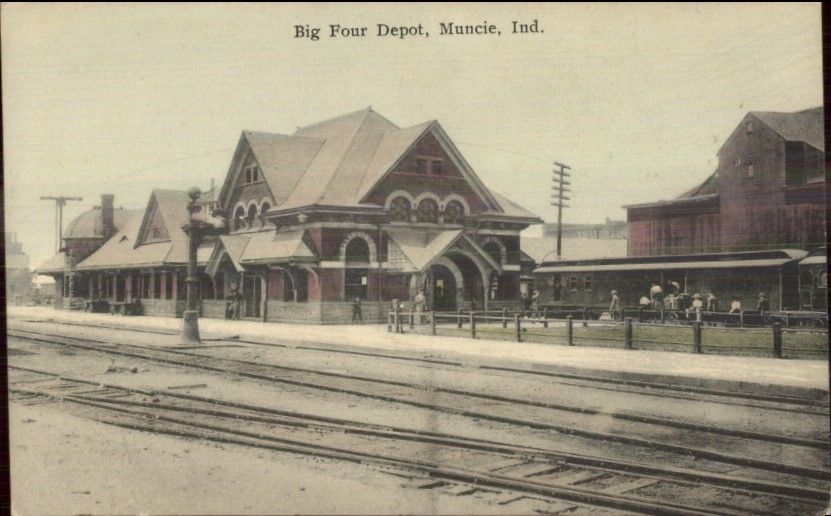
old post cards still around depicting many of these structures, some better than others.
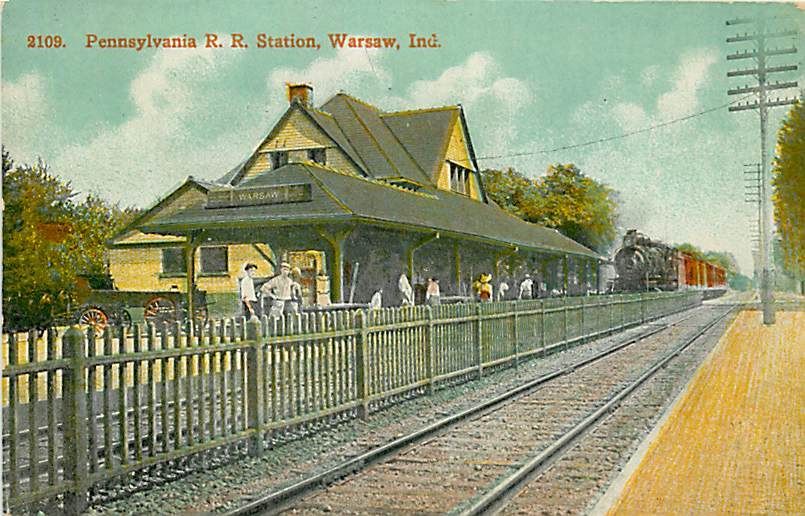
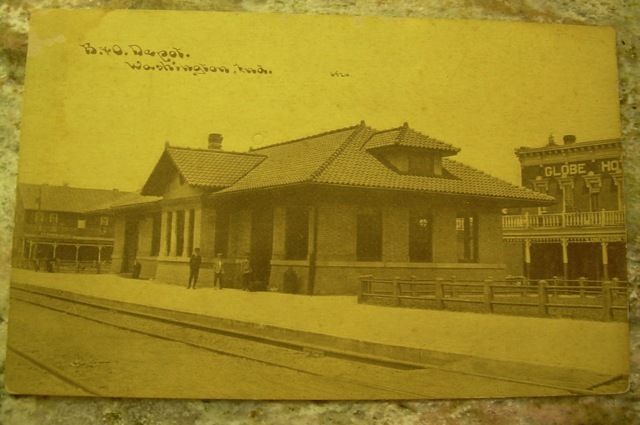
Most of the postcards were found on EBay unless noted, other pictures, mostly
the more recent ones, come from Google and/or Bing images - credit given if the
source is known.
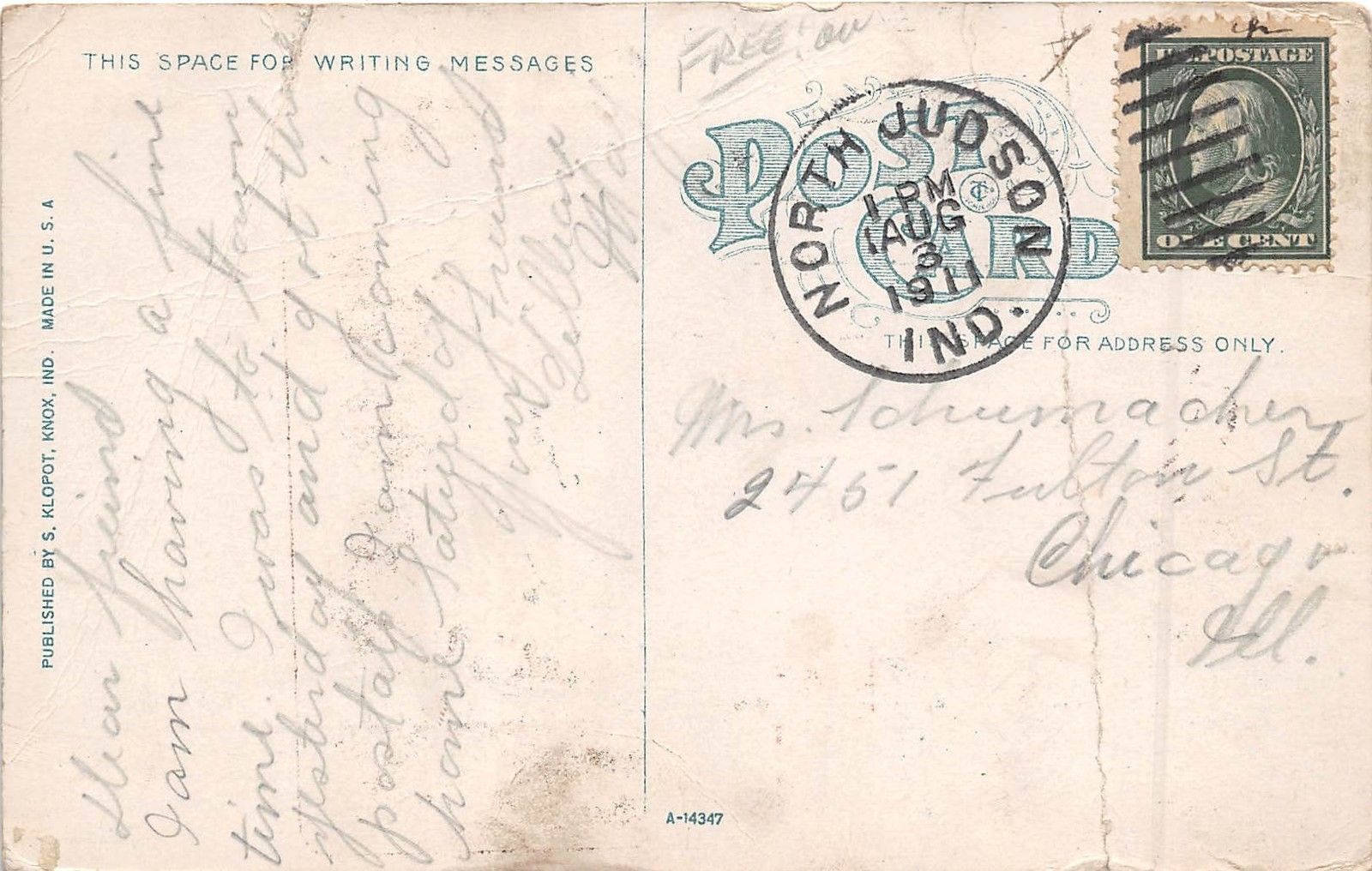
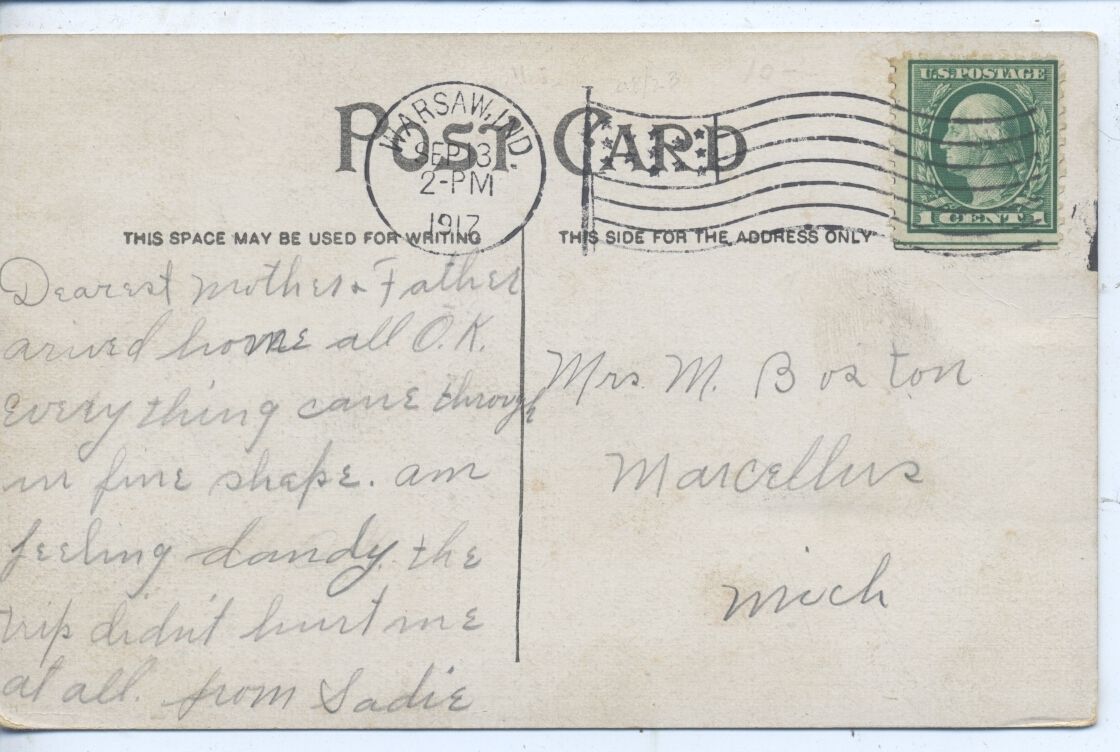
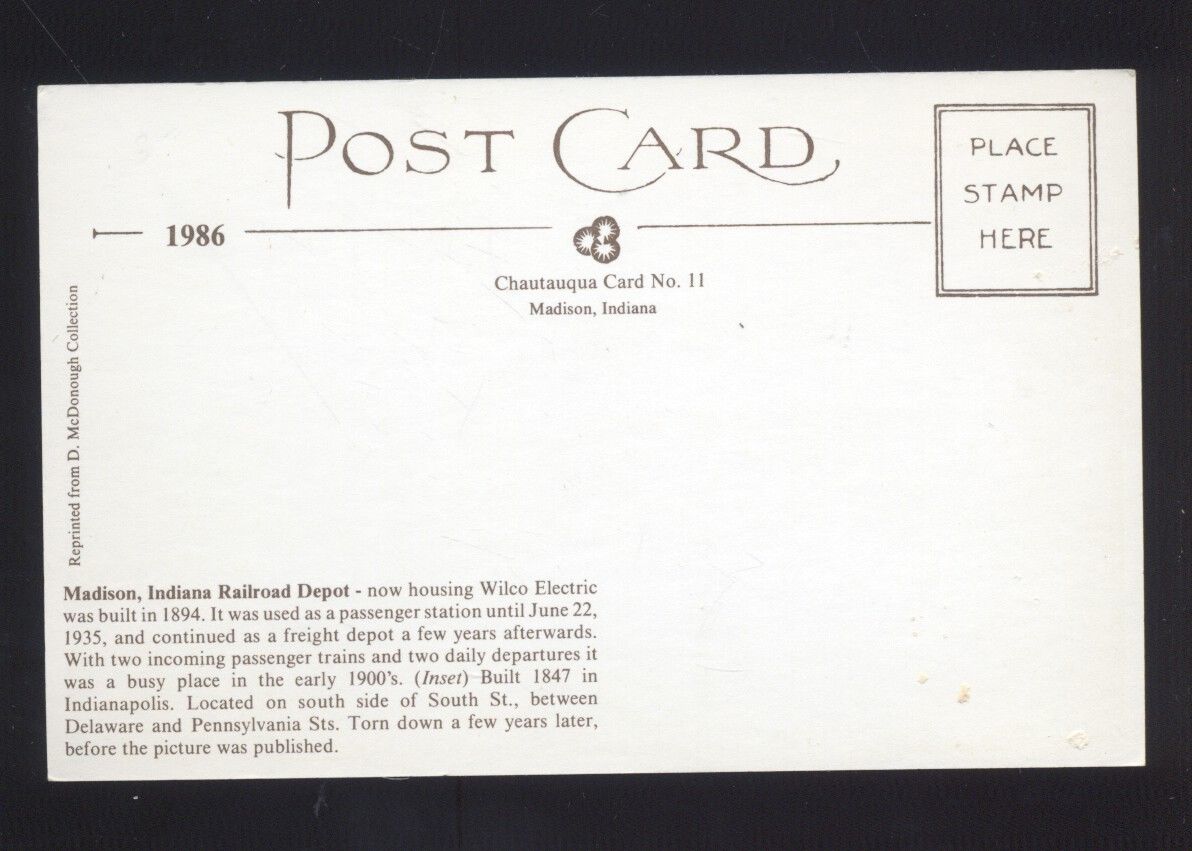
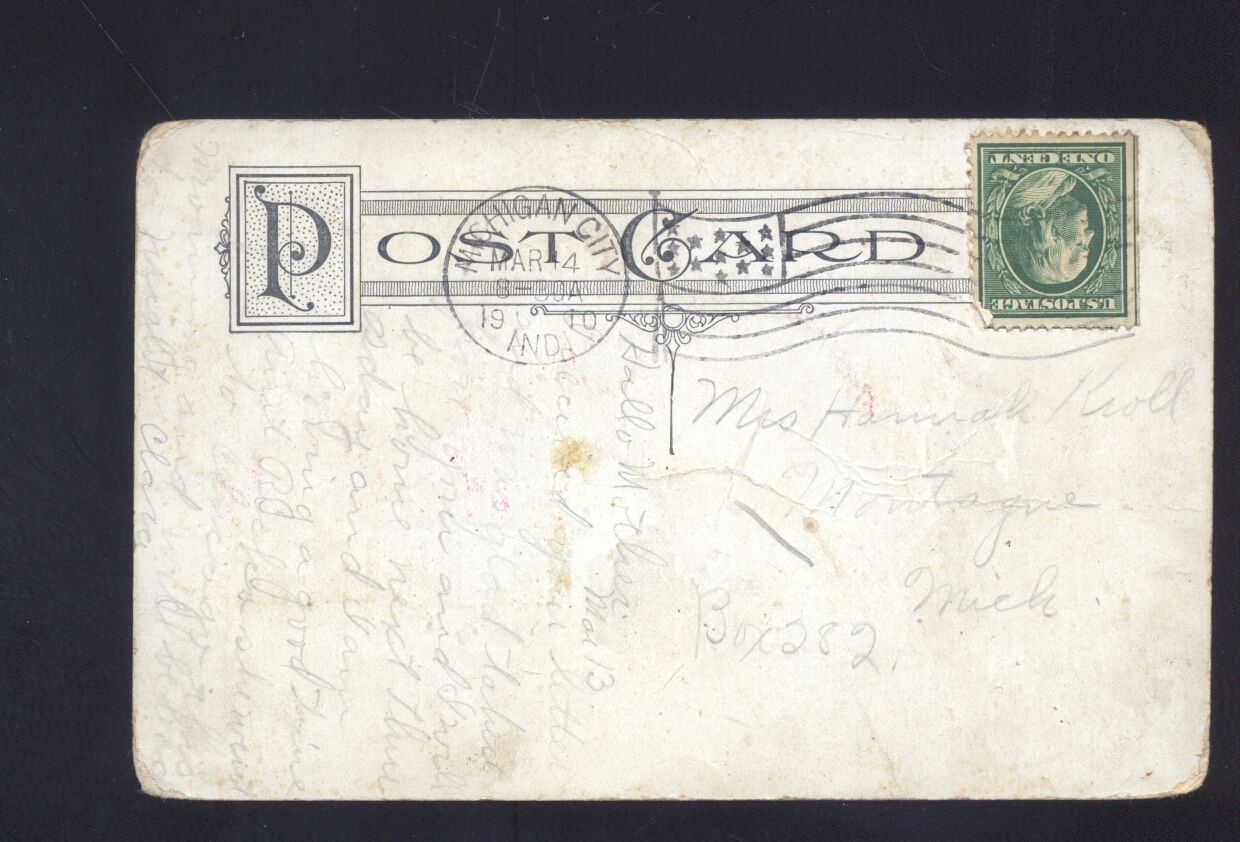
Dates are in the picture name, x means the date is approximate. If they were
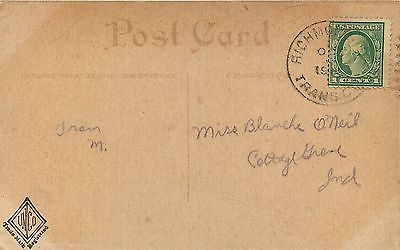
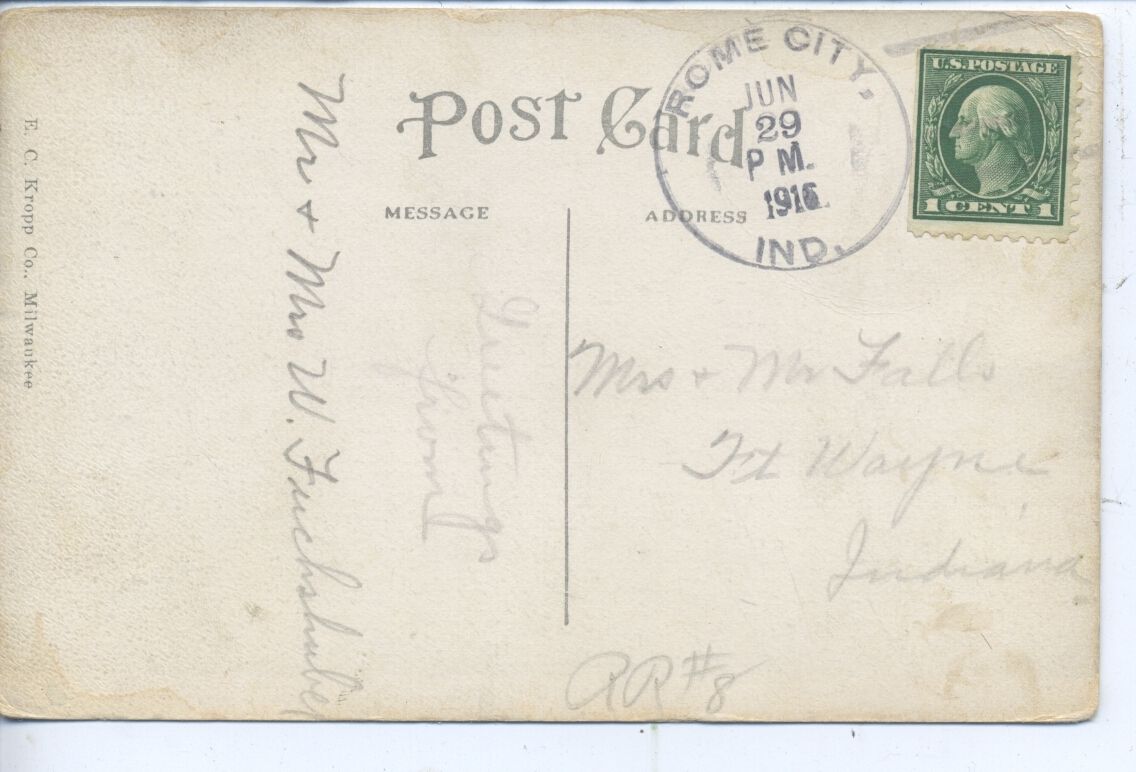
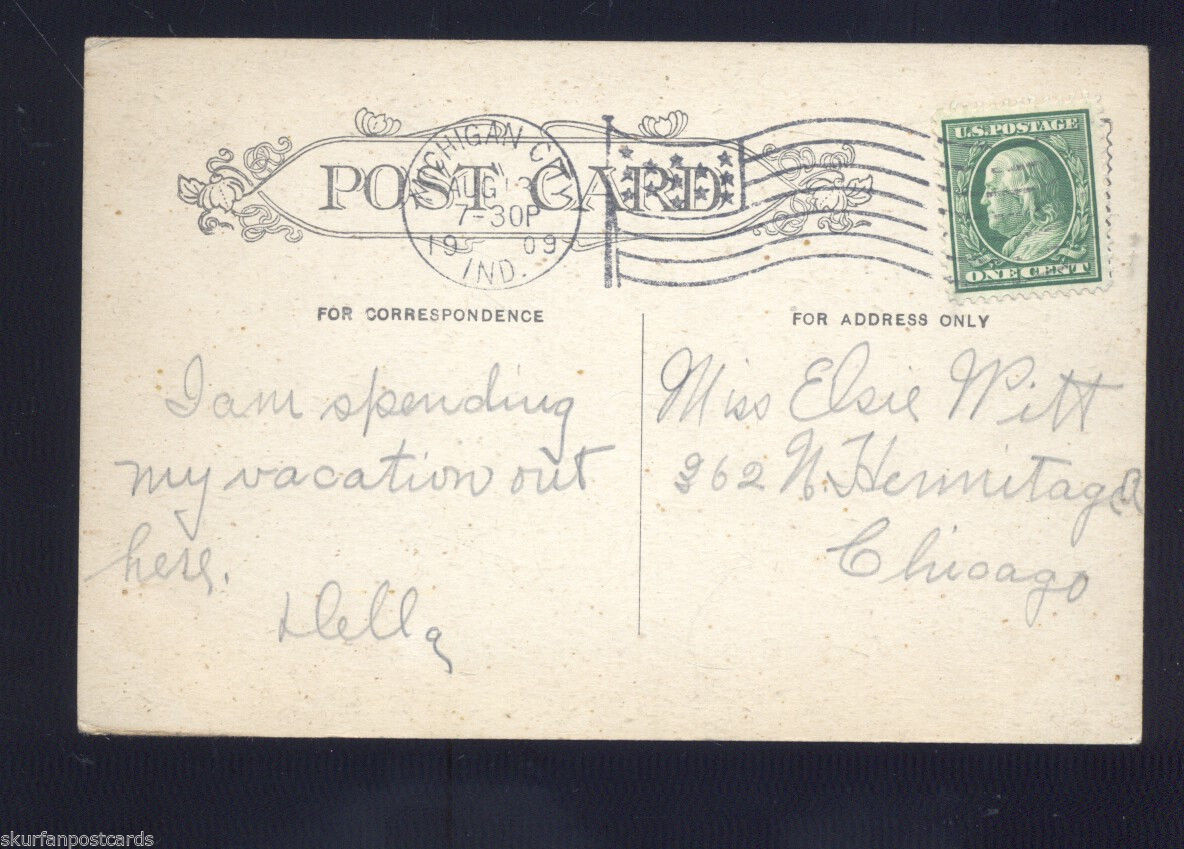
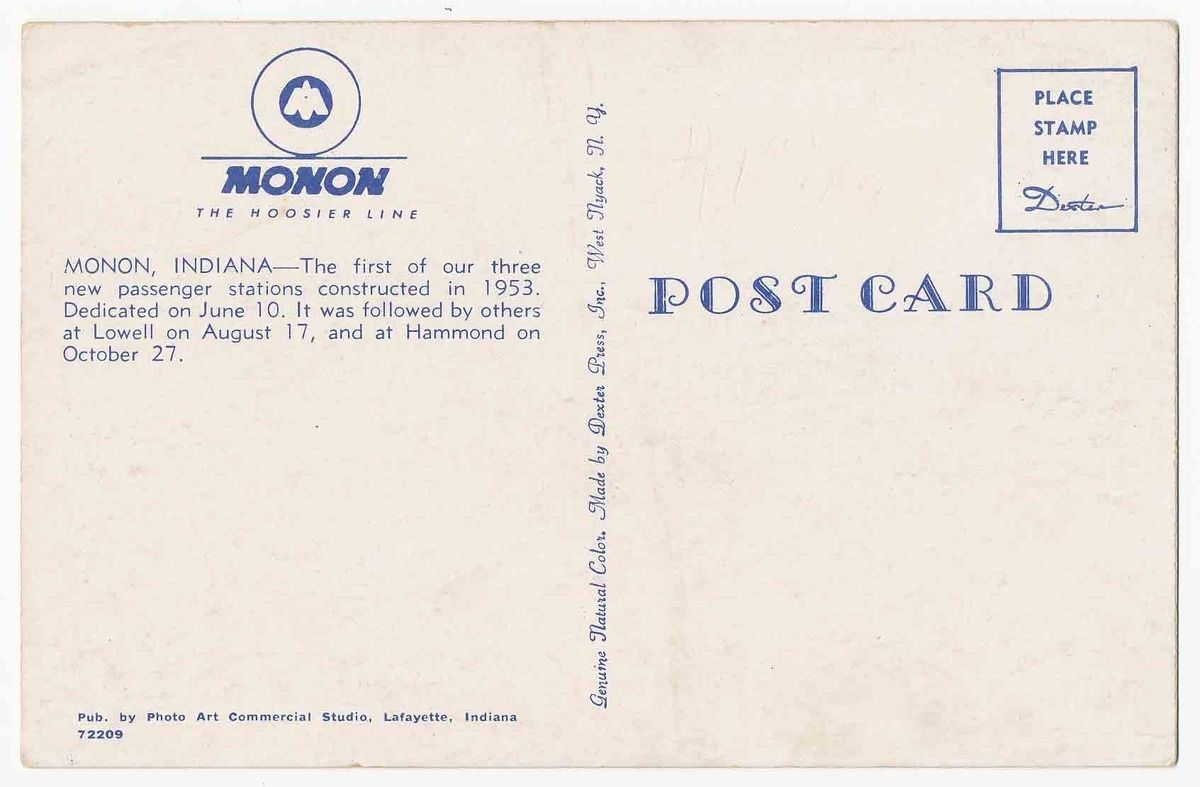
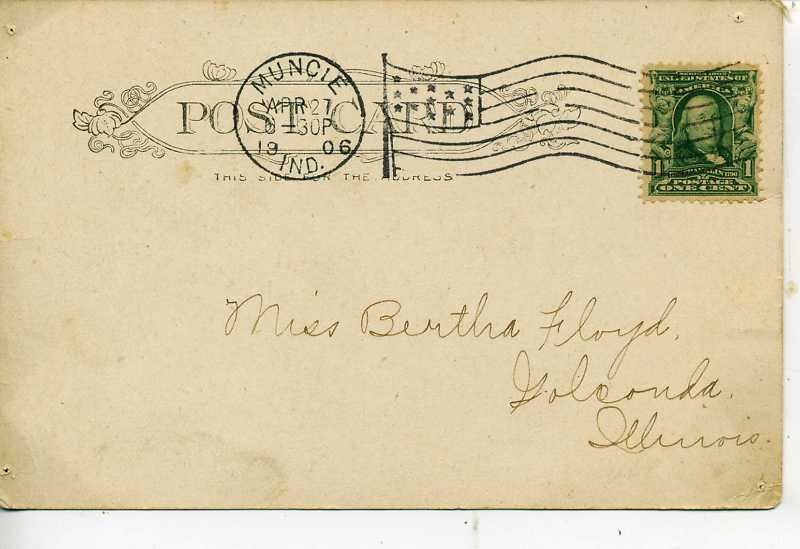
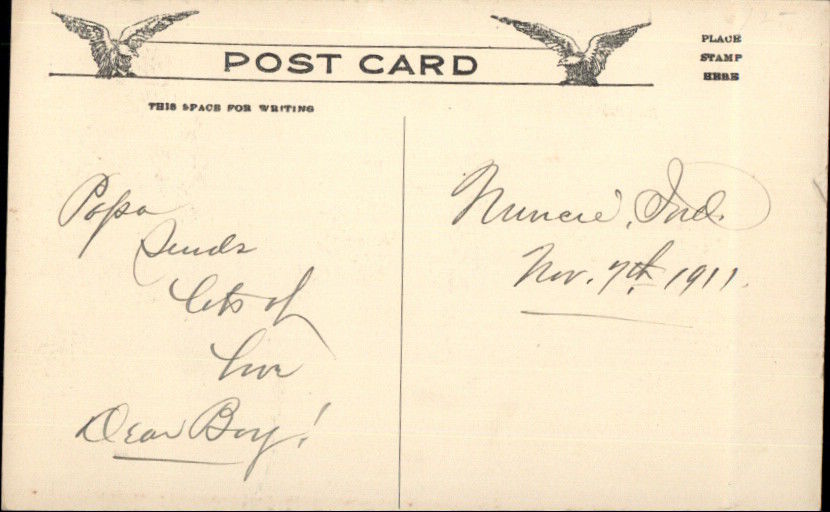
available, and interesting, I included the back side of the postcards. 1910a
and 1910b would be the same card, both sides.
If the picture was really, really bad, some of them have been cleaned up and/or
repaired when I had the energy.
If you have the time, other good sources for pictures are:
Shorpy, Google,
and Bing images, and the Library
of Congress (you have to be very patient to find things here :-)
Since many of these stations are no longer around (railfans seem to prefer the
term "extant", I'm not one of them! :-), this page is mostly for historical
reference.
What's the difference between a station and a depot? Most people will say
"nuttin", it's a matter of preference, although many will use depot for older
buildings.
If you have a picture you would like to contribute, please see the bottom of the
page for how to find me, credit is always given to contributing photographers.
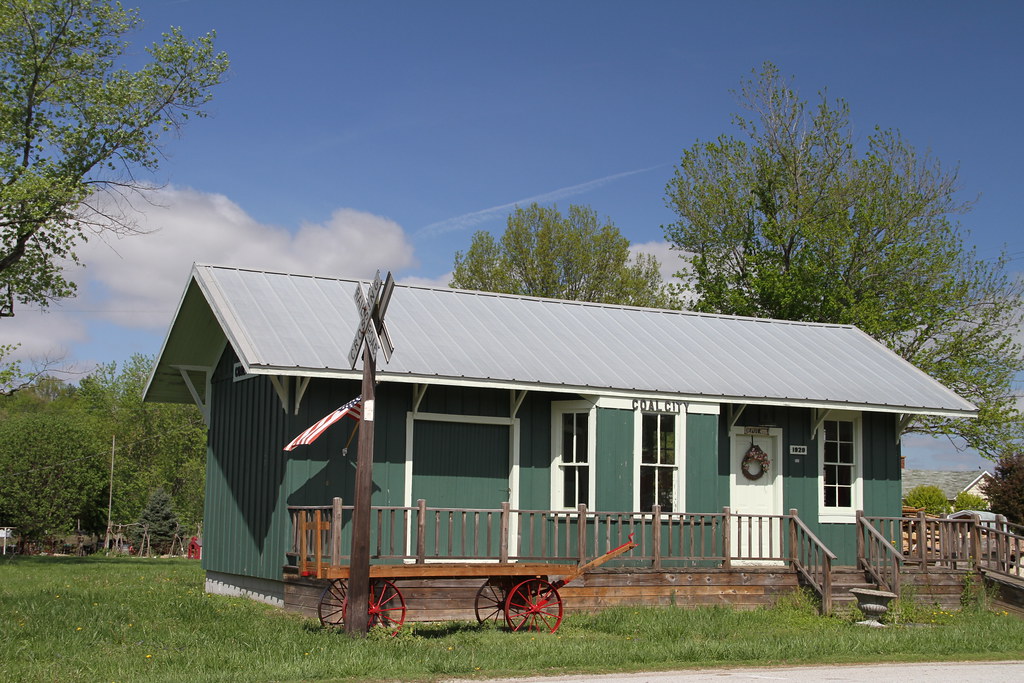
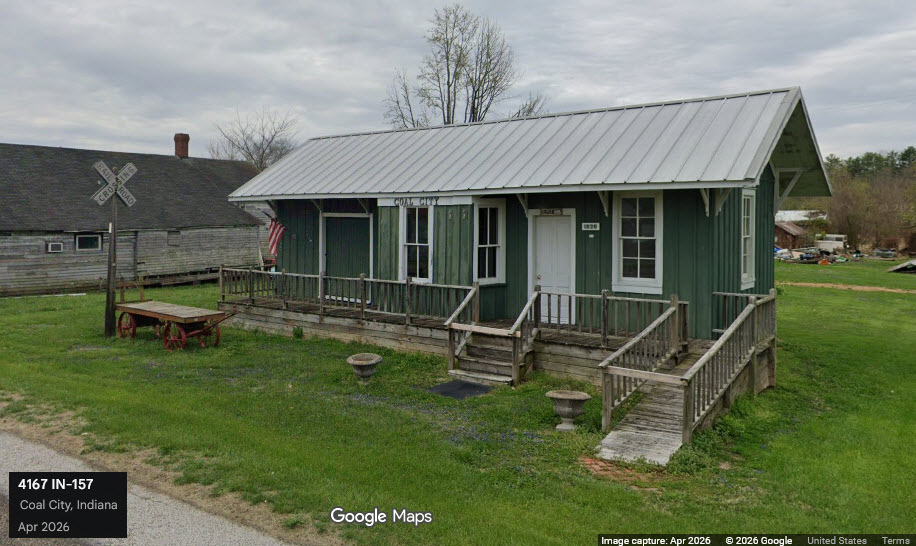
GPS Coordinates: 39.23153, -87.045482
This station was on the New York Central as it worked it's way southeast
from Terre Haute. The station is not in it's original location: According
to the information that Daryl has graciously uncovered, a farmer originally
purchased the depot from the railroad and moved it to his farm. He purchased it
particularly for the weighing scales. The depot was left on his property to
deteriorate. Years later, the building was rescued by one man, David Smith,
when he found out the the farmer was going to burn it down. Mr. Smith then
had it moved and restored. It is currently owned by the Coal City
Preservation Society, Inc. The original location of the station is
shown on the 1938 USGS map below. Information
and picture submitted by Daryl Kasper, Jefferson Township Trustee - Owen County.
Thanks to both of you gentlemen! 6/26
GPS Coordinates: 40.419494,-86.896113
Address: 200 N. 2nd St, 47901
Station in current use for Amtrak.
Station code: LAF.
History from http://www.greatamericanstations.com/Stations/LAF
The Romanesque style brick “Big Four” depot was built in 1902 by the Buckeye Chum Company for the Lake Erie & Western and Cleveland, Cincinnati, Chicago & St.
Louis (the Big Four) Railroads. This well-landscaped restored station sits opposite the bank of the Wabash River, directly beside a city park. The brick and limestone
building served as a train station until about 1970. It was partially restored in 1979 and given to the city of Lafayette in 1983.
The Big Four depot was relocated to the site from an address three blocks away in 1994. The 550-ton building was placed on 18 sets of wheeled dollies
and rolled to the site over the better part of four days. Renovation was completed in 1995 and the depot was rededicated as the centerpiece of the James F. Riehle Plaza.
The depot is open for plaza events and has meeting rooms for rent. The interior has been modernized and utilizes two levels, with track access on the lower level and the
plaza entrance on the upper level.
When Amtrak trains began using the facility on January 4, 1996, it was first time Amtrak passengers traveling to and from Lafayette had the benefit
of a waiting room in an actual railroad station. It was a major step toward completion of the Lafayette Railroad Relocation Project, a more than $170 million joint
federal-state-local effort to end the practice of trains and motor vehicles sharing a 14-block stretch of Fifth Street in Lafayette.
Since the practice of "street-running" ended with the Amtrak train down Fifth Street on July 22, 1994, passengers used a temporary platform at Second and
Alabama Streets. Previously, various Fifth Street storefronts were utilized.
Although the city of Lafayette first began discussing railroad relocation in 1926, the first federal funding for engineering of the relocation did not
come until 1975. Environmental studies and hearings lasted until 1979 and federal officials approved the final design in 1981. Construction began in 1986, with phases completed
in 1987, 1992, 1993, 1994 and 1995.
Amtrak passengers cross above the rail line on an elevated pedestrian bridge, which provides access to the Amtrak waiting shelter on the west side. Other
features of Riehle Plaza include a brick-paved gathering place and public open space, a fountain, landscaped green space and a textured concrete wall to provide visual and
sound screening from the tracks.
The Chicago, Indianapolis and Louisville Railway, also known as the Monon Railway,
also served Lafayette, specifically Purdue University in West Lafayette. Founded in 1847 as the New Albany and Salem Railroad,
the Monon (deriving from a Potawatomi Indian word for “swift running”) provided service from Lake Michigan to the Ohio River by 1853. The route map formed a tilted “X” over
Indiana, the main line taking freight and passengers from Chicago to Louisville, and another branch connecting Michigan City and Indianapolis. A small spur also
linked Orleans and French Lick. Purdue University was situated in Lafayette in 1869 specifically because the city was lying on the Monon Line. Monon discontinued
passenger service in 1967, and became part of the Louisville and Nashville Railroad in 1971. CSX still
operates most of the remaining Monon tracks.
The Lafayette station was added to the National Register of Historic Places in 2003.
Lafayette is served by two trains, which combine to offer daily service to Chicago and Indianapolis and provide service three-days-weekly between Indianapolis and New York City,
via Cincinnati and Washington, D.C. This is one of two “Lafayettes” on the Amtrak map, with Lafayette, Louisiana, on the route of the Amtrak Sunset Limited.
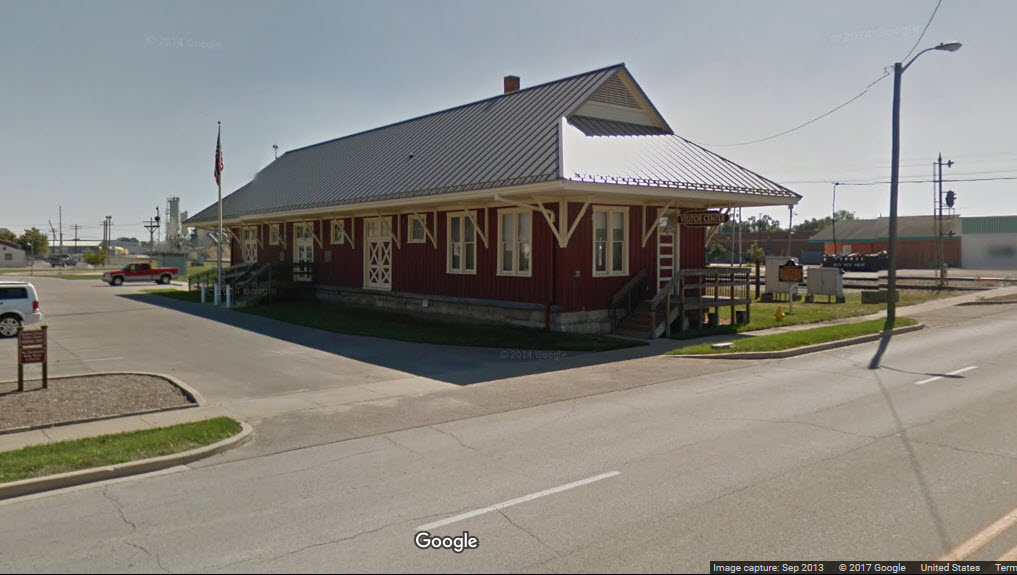
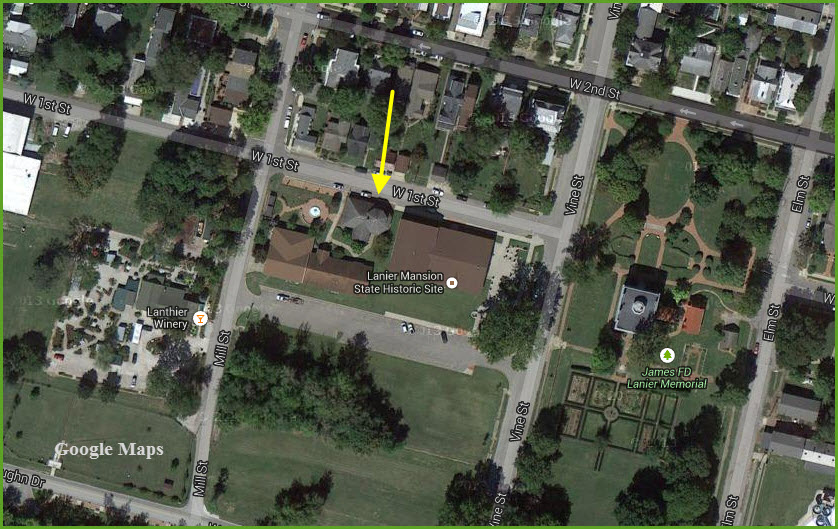
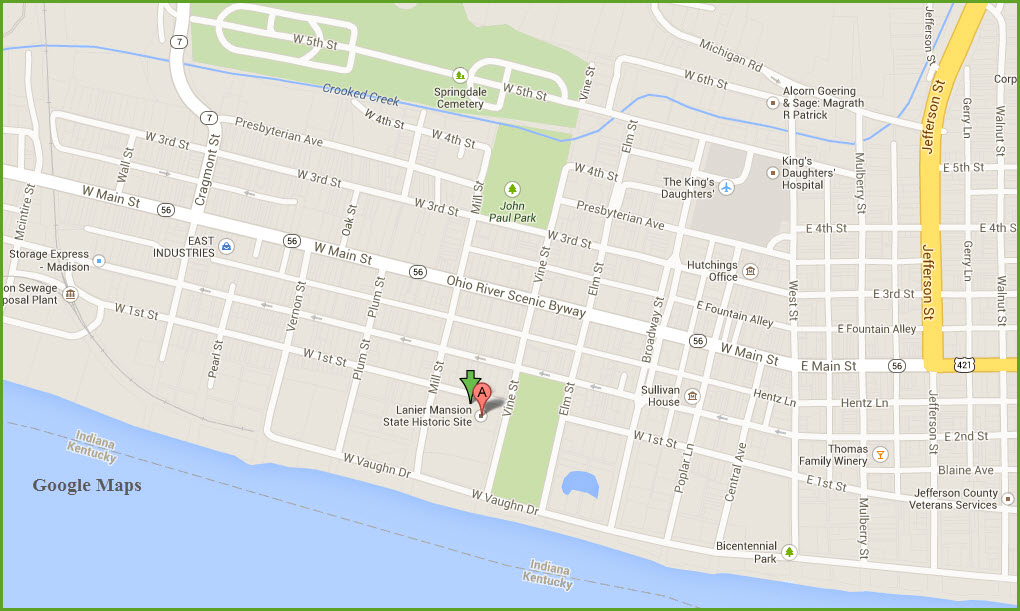
GPS Coordinates: 38.735632,-85.38718 (the green arrow below is the location of the depot)
The railroad station houses a small museum which offers not only railroad related artifacts, but local history as well.
More info here: http://www.jchshc.org/
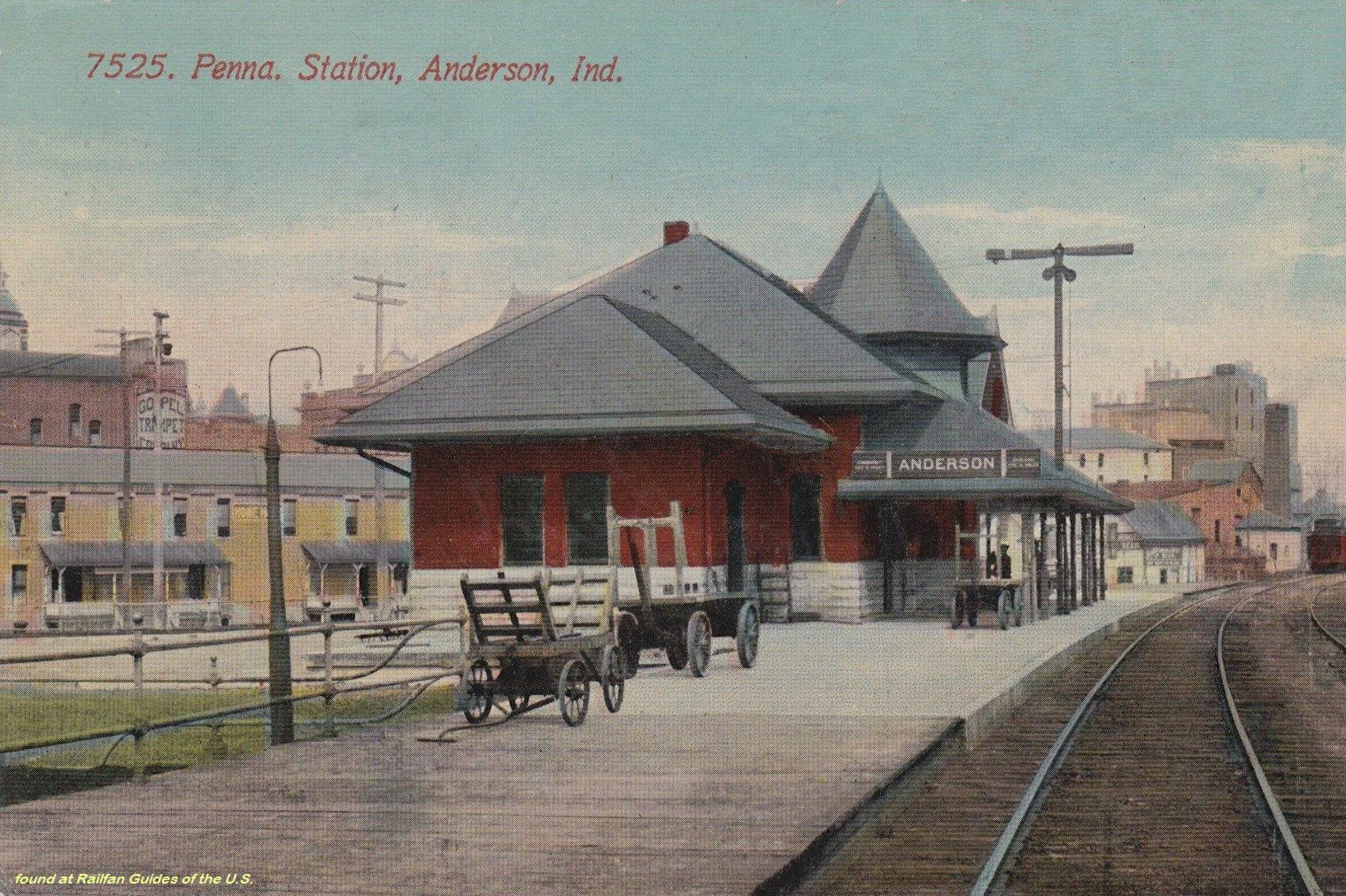

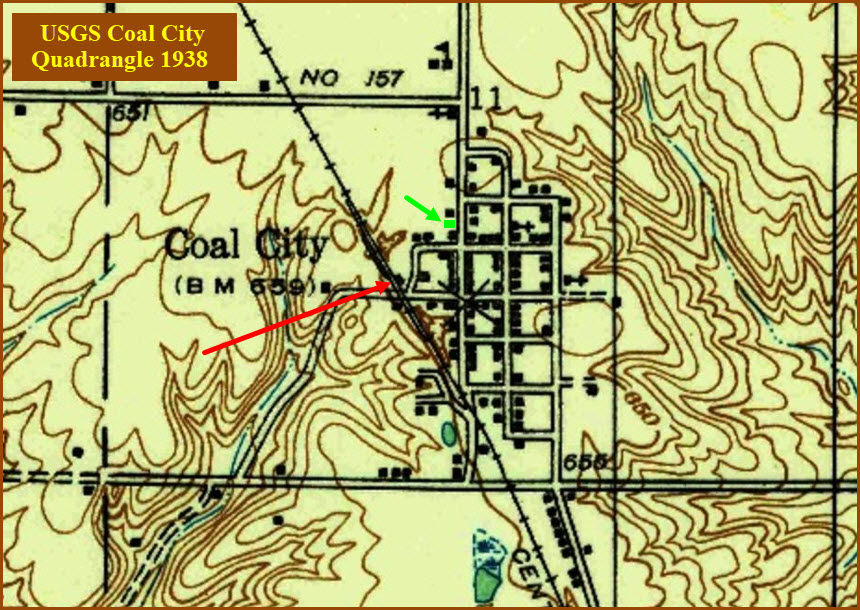 red, original location..... green, current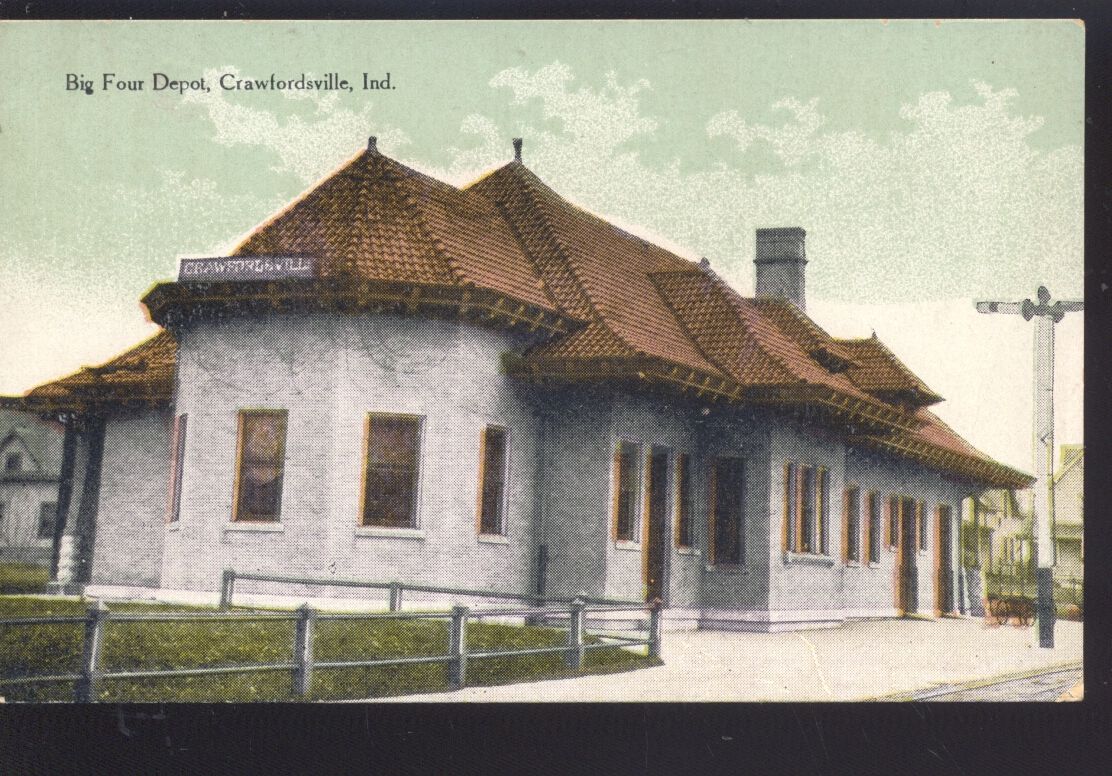
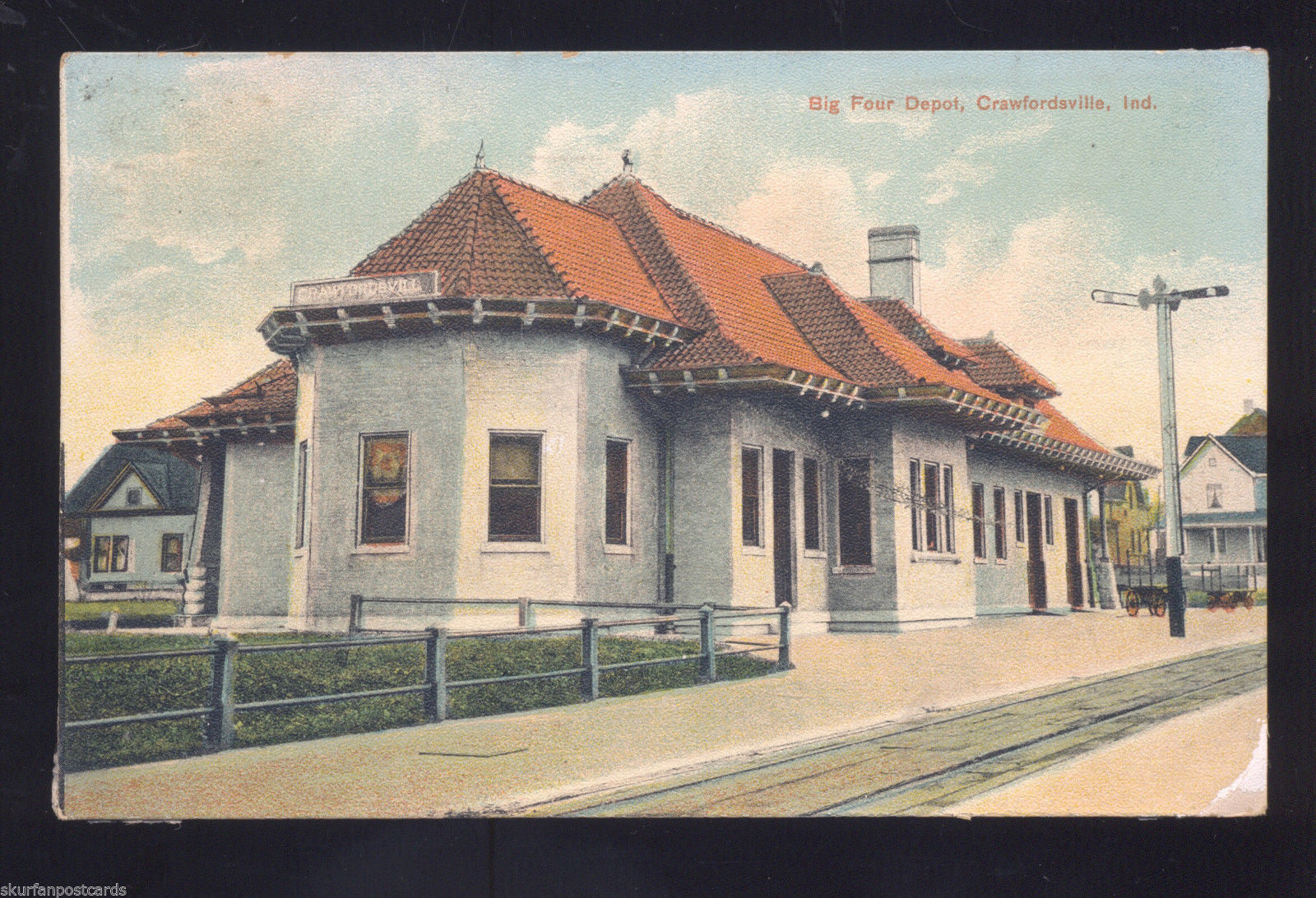
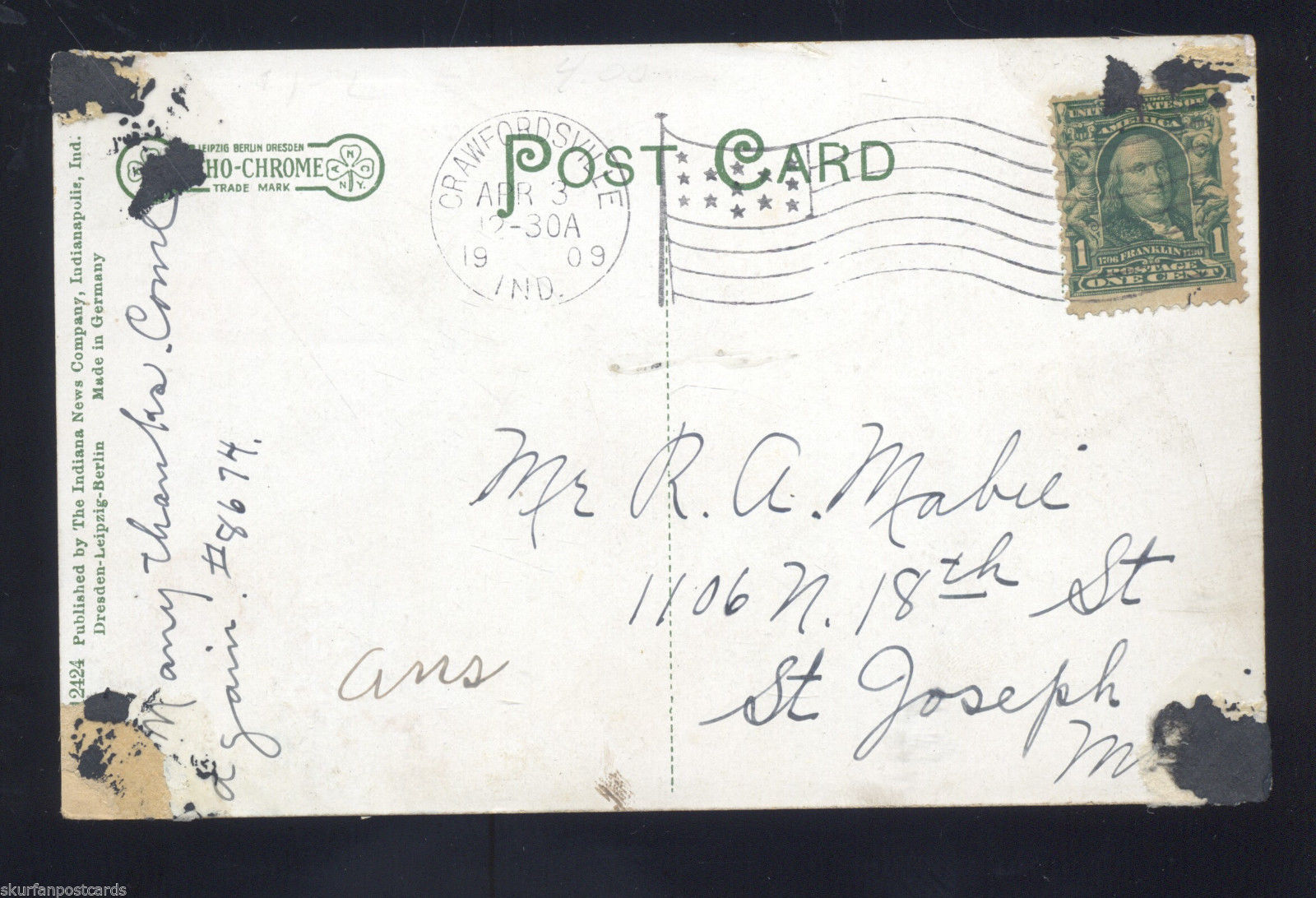
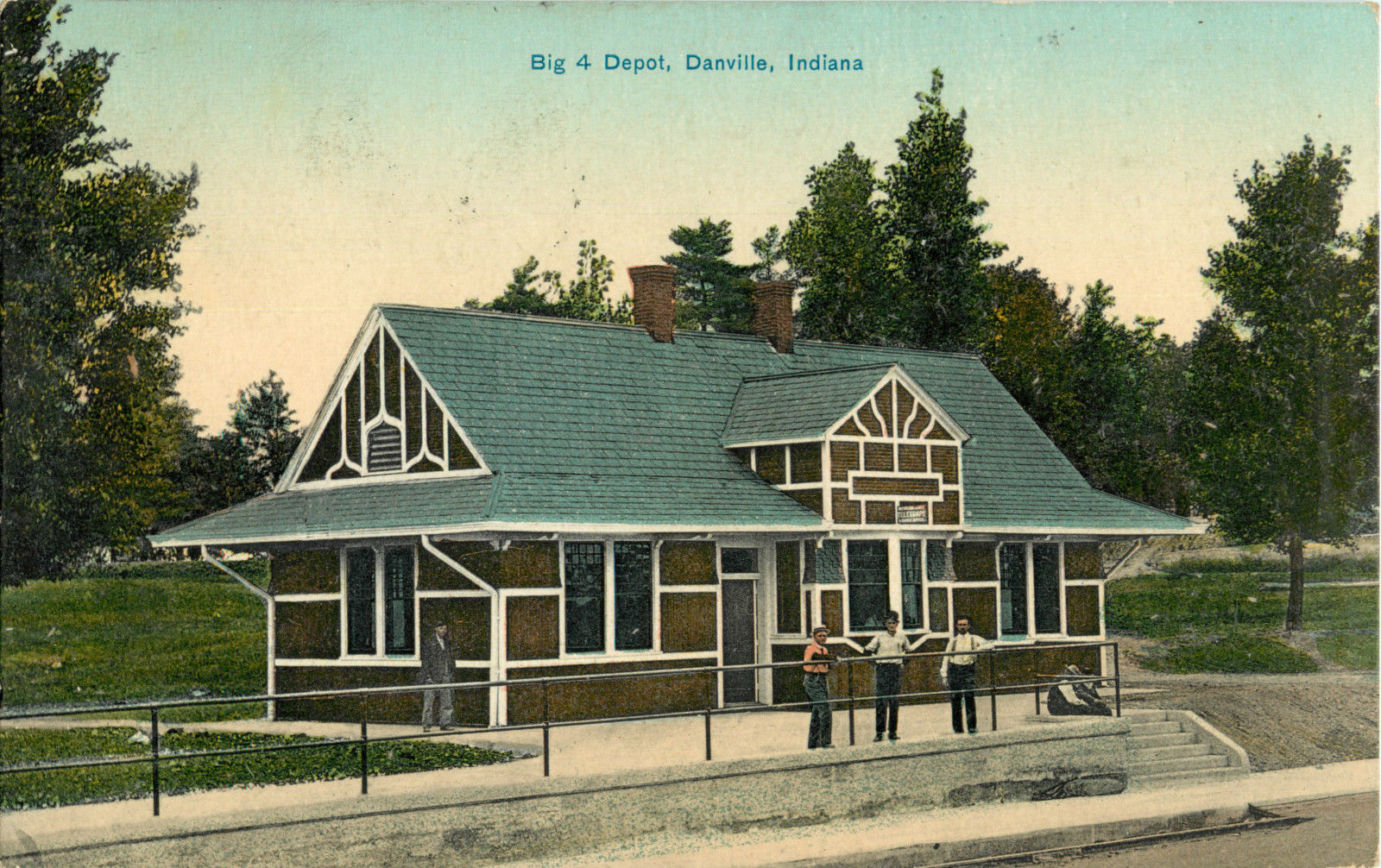

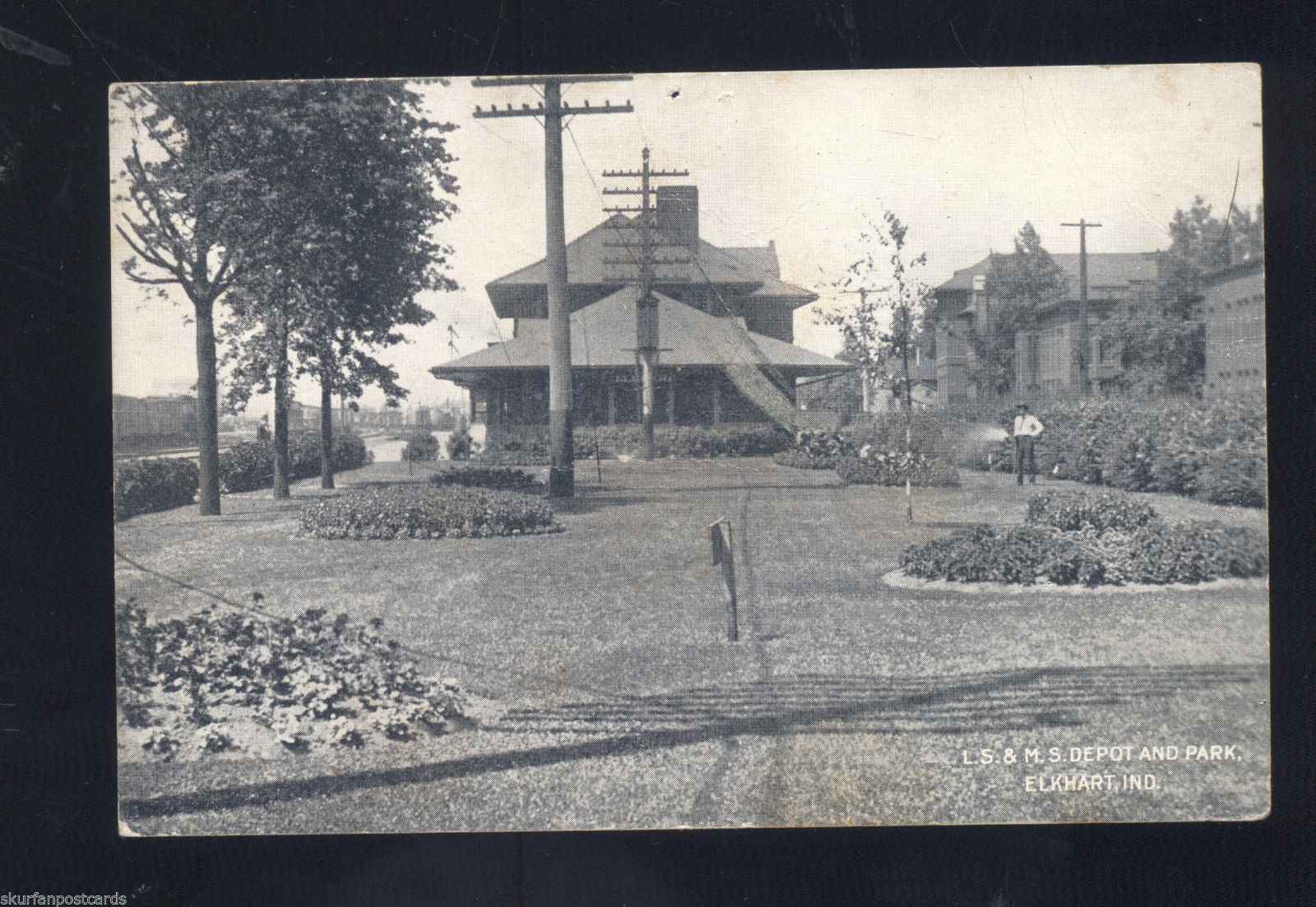
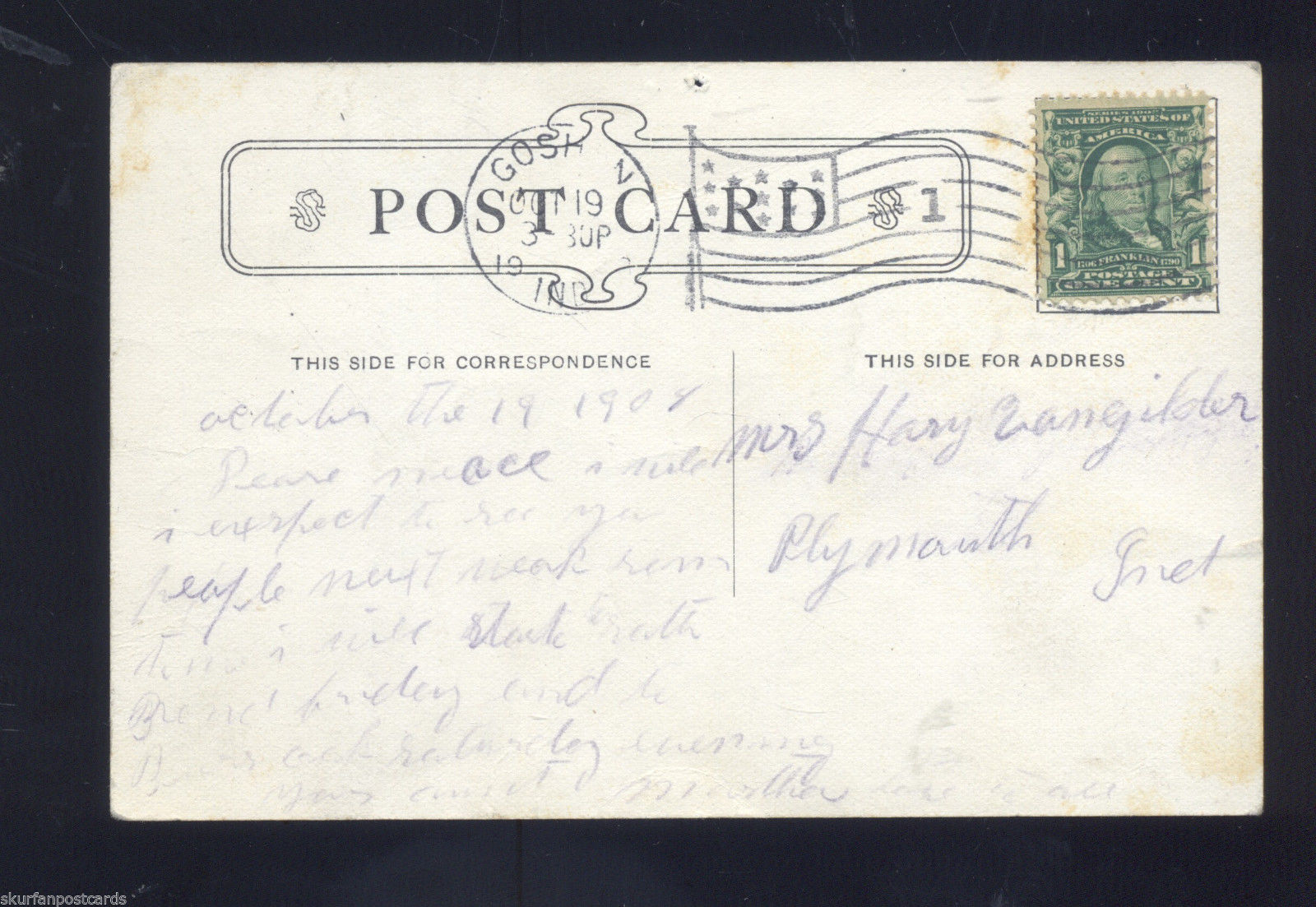
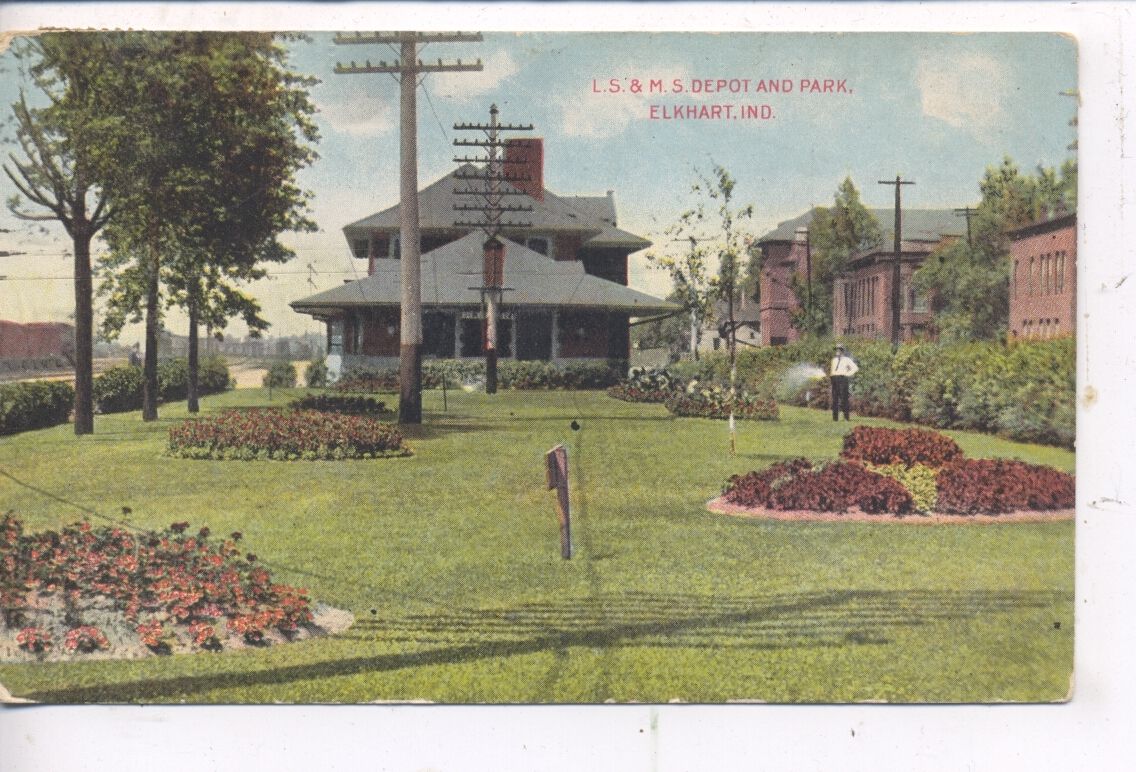
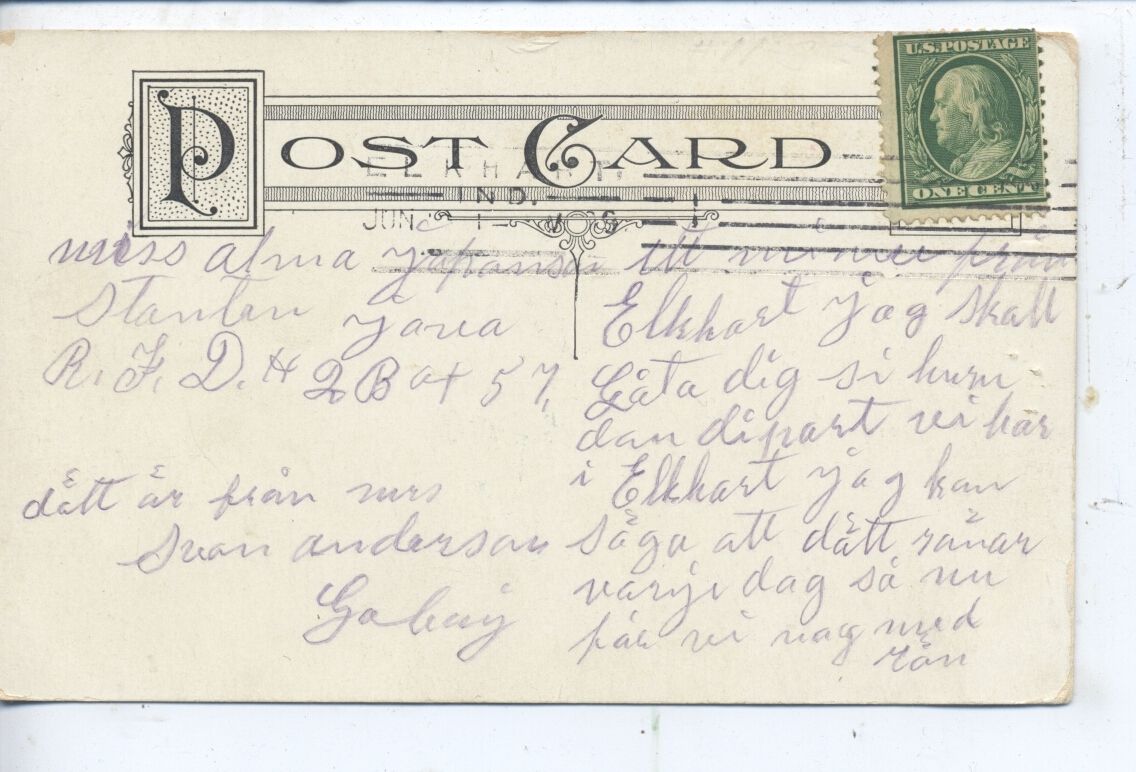
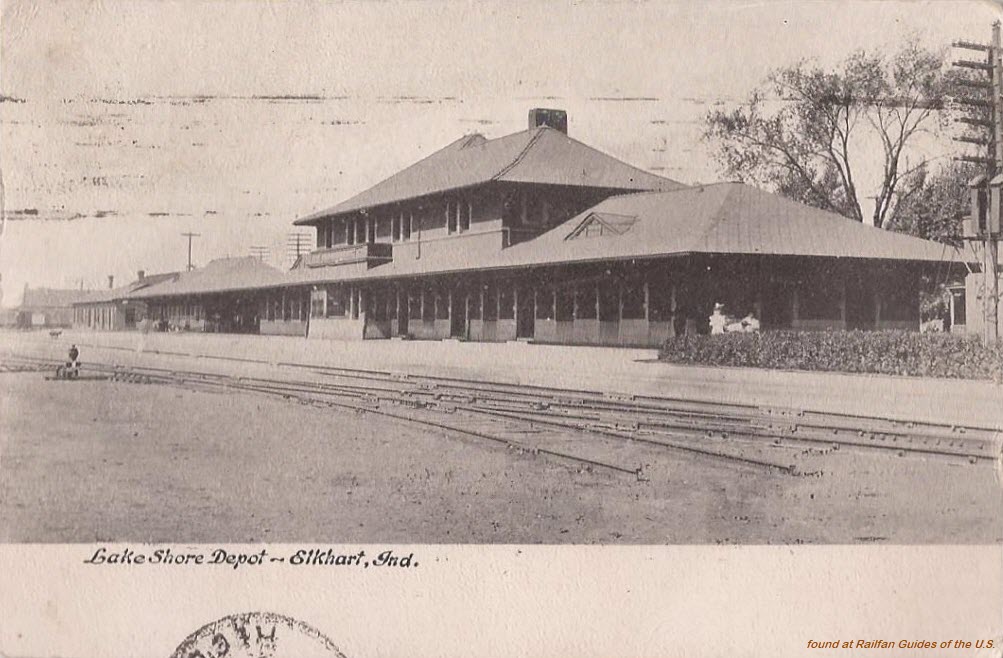
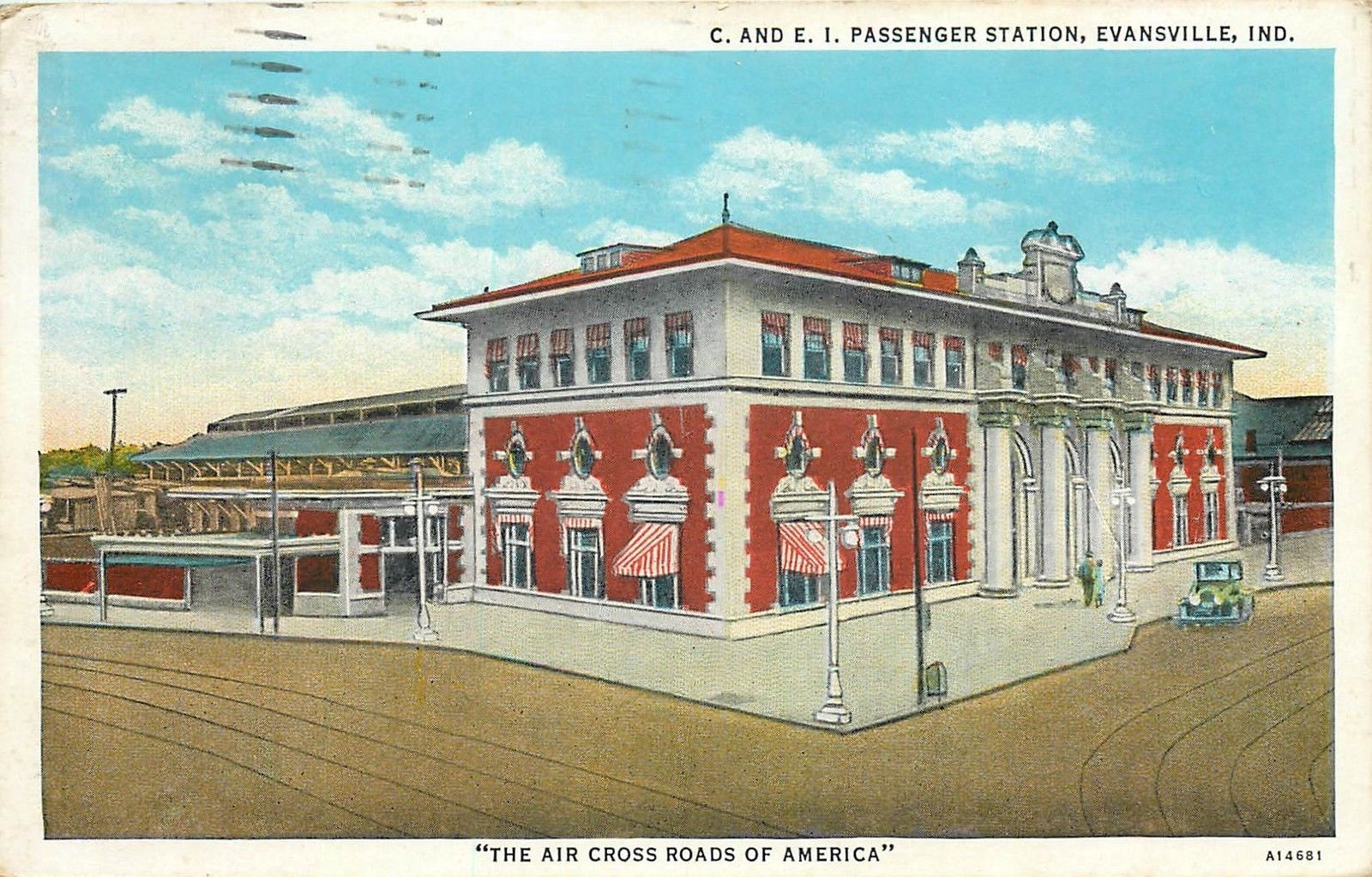
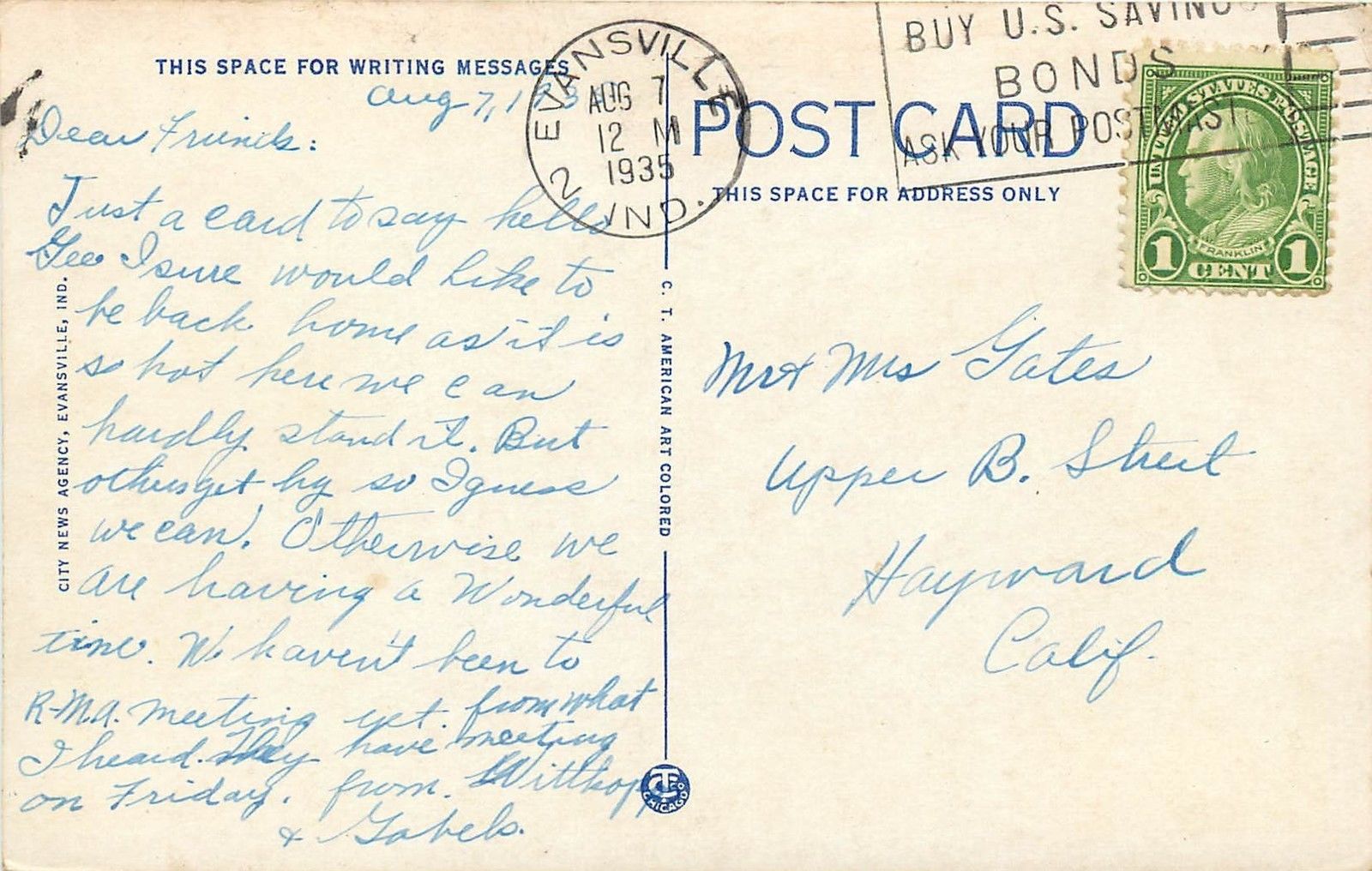
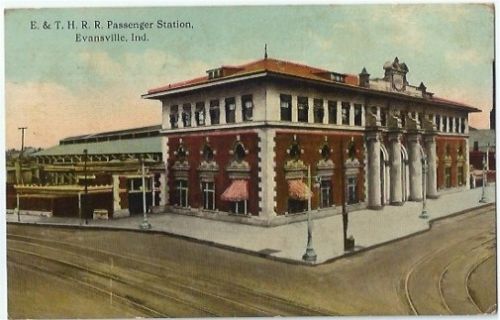
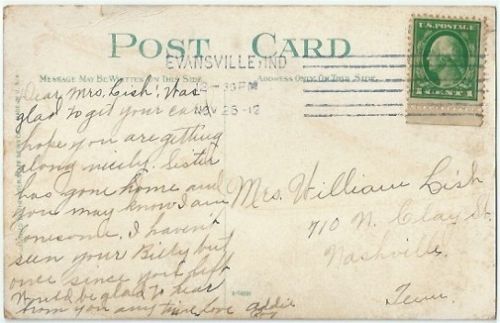
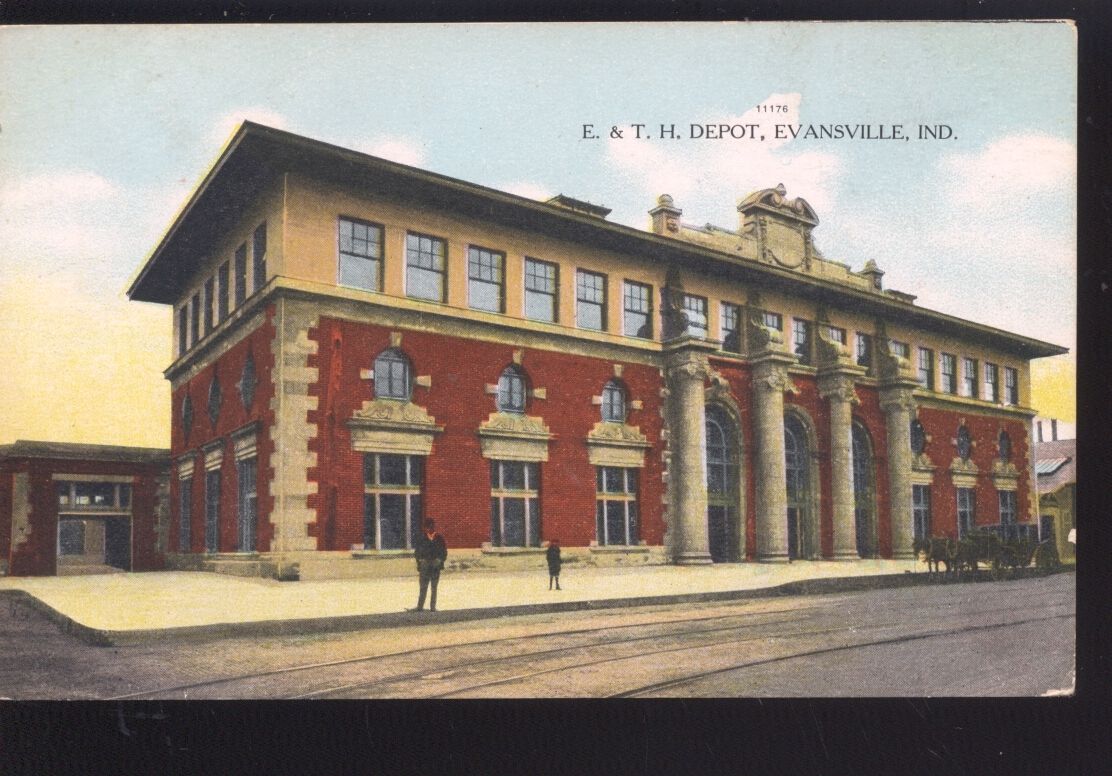
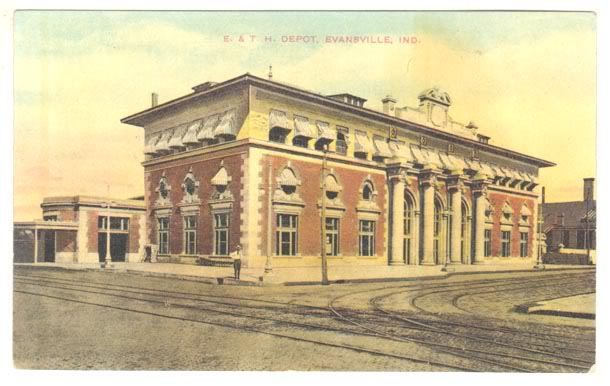
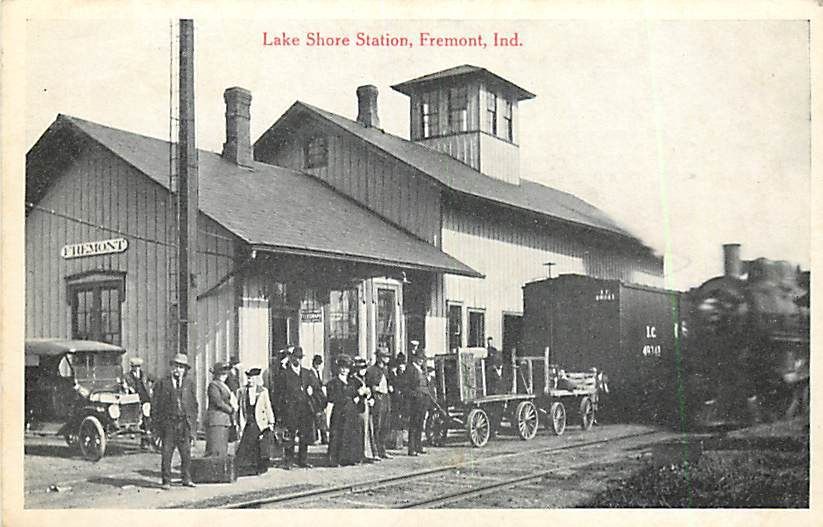
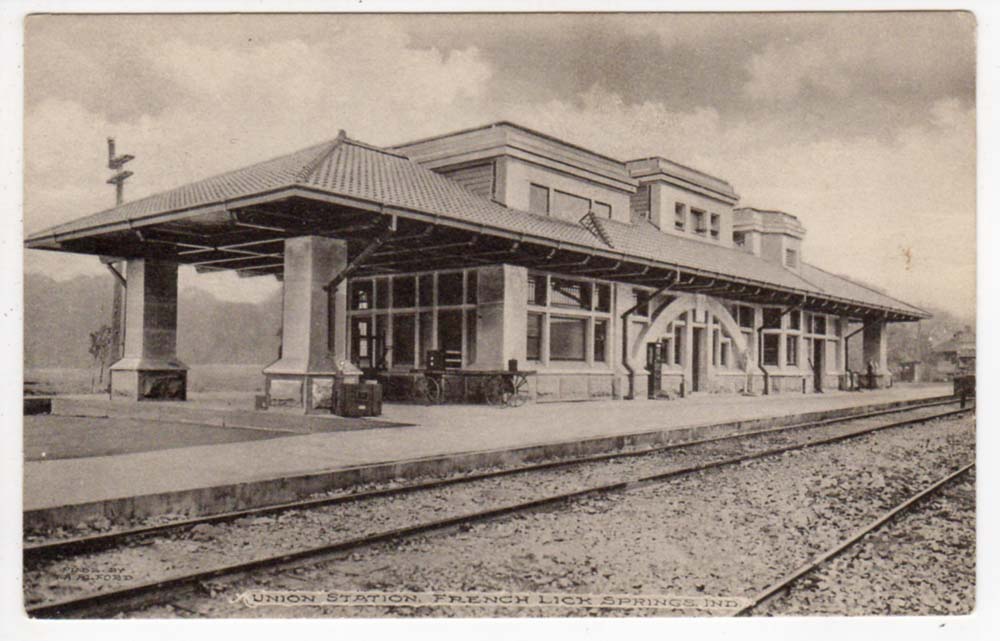
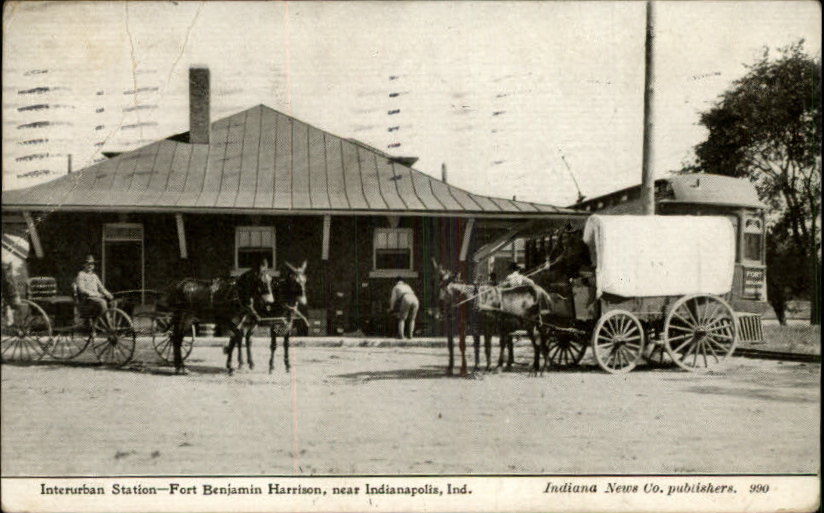
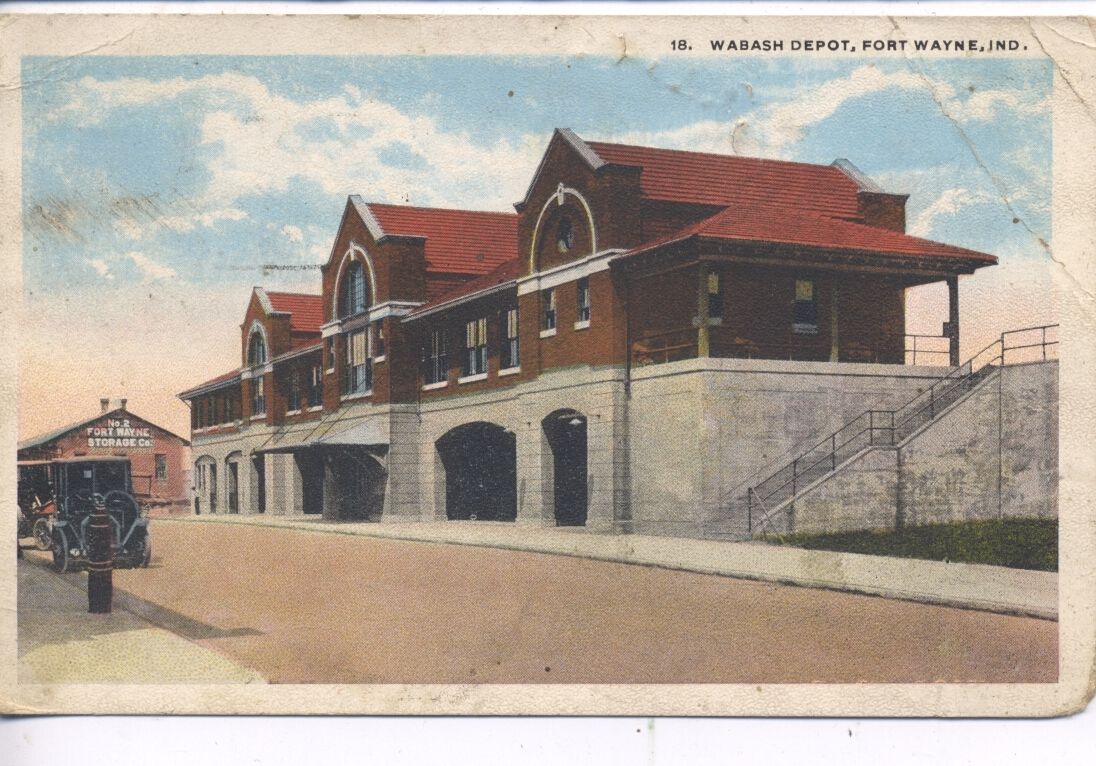
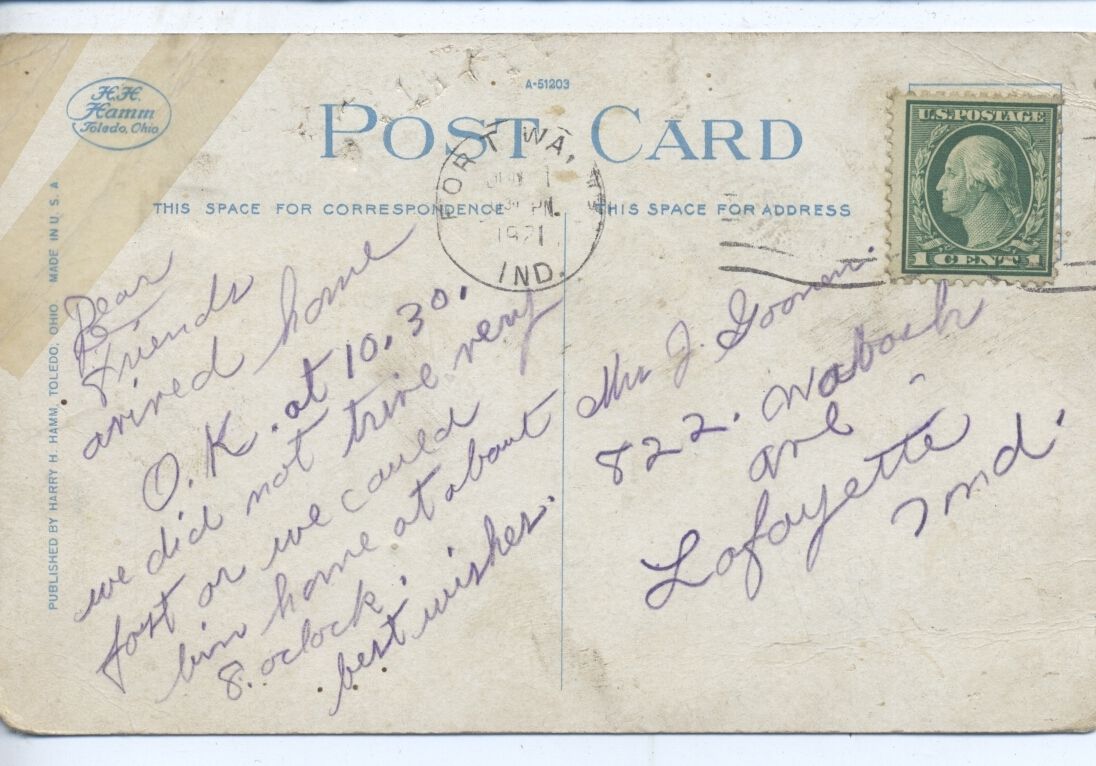
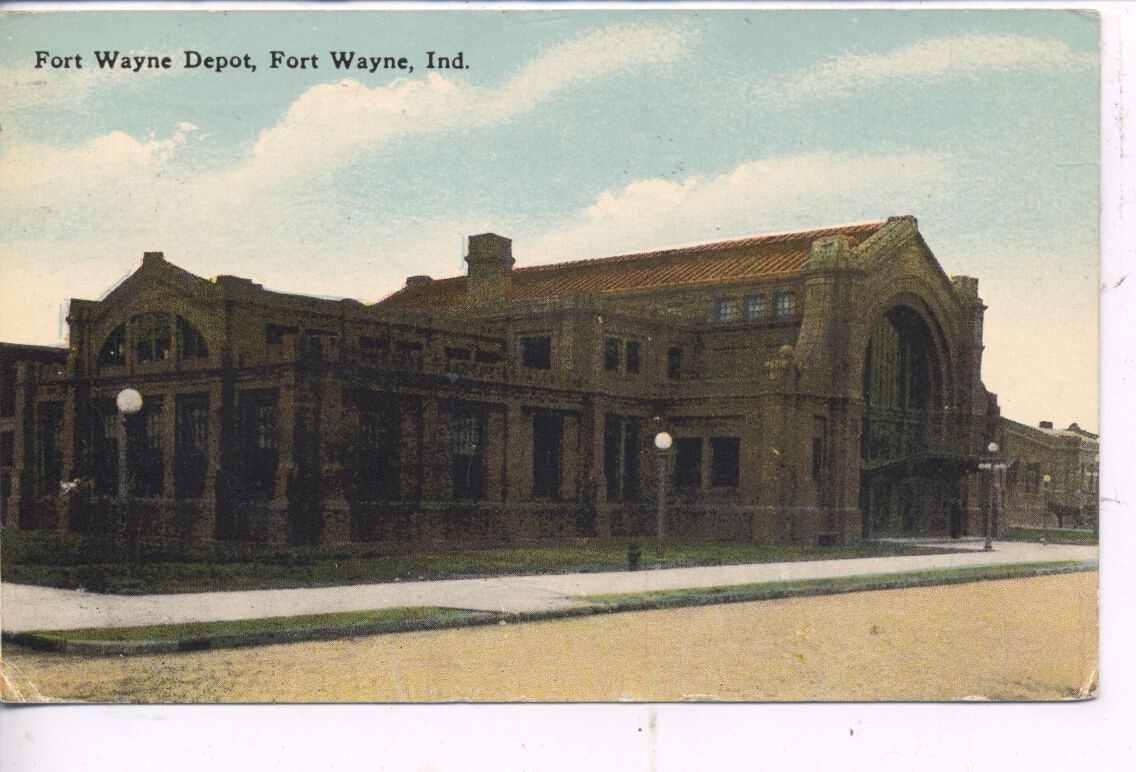

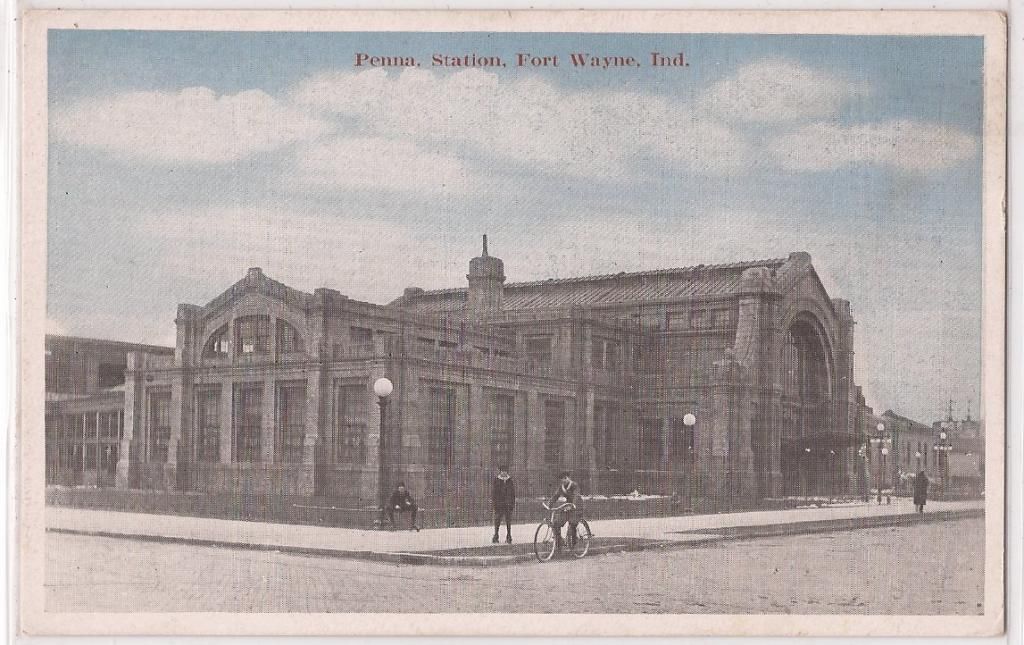
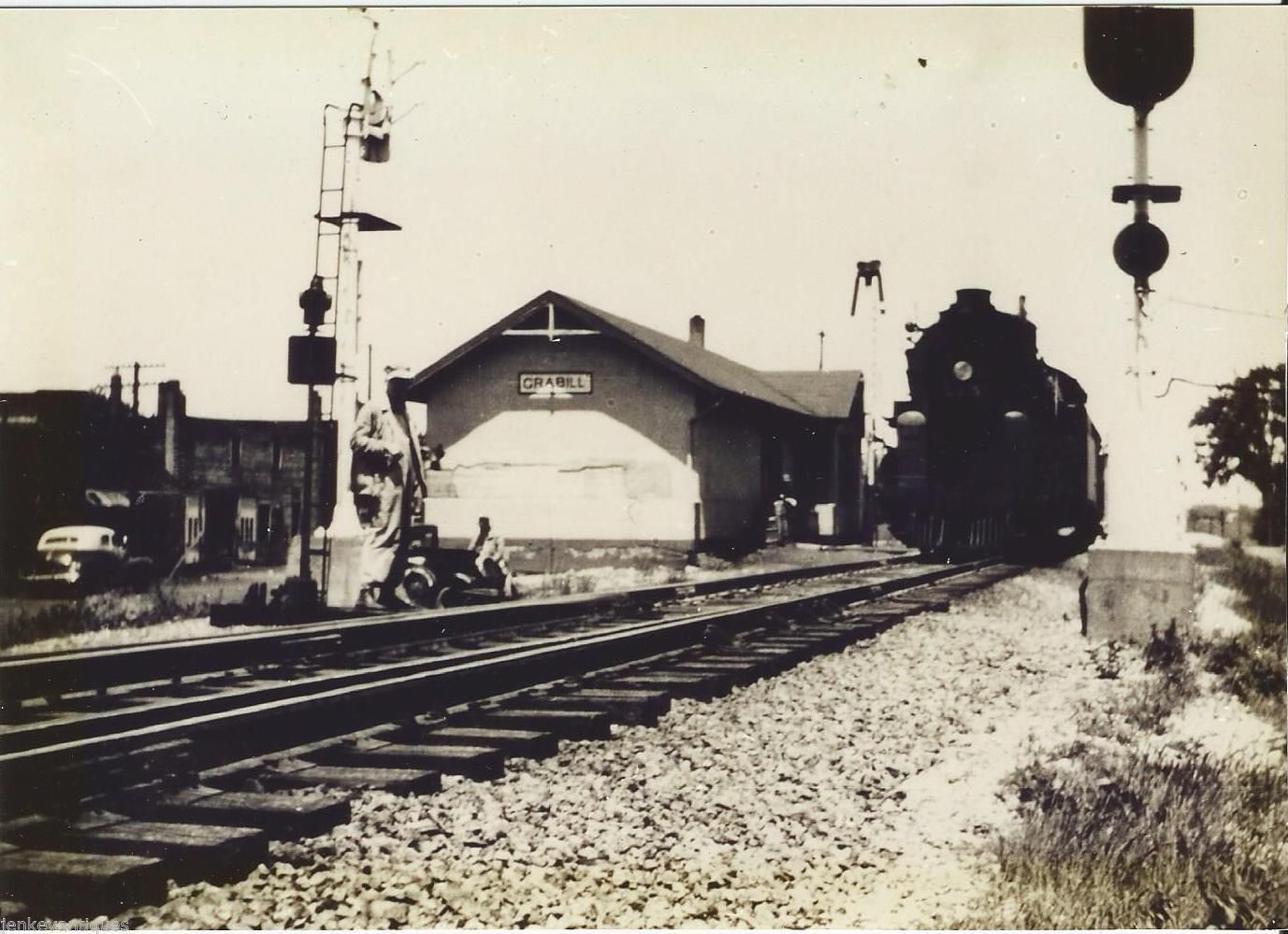
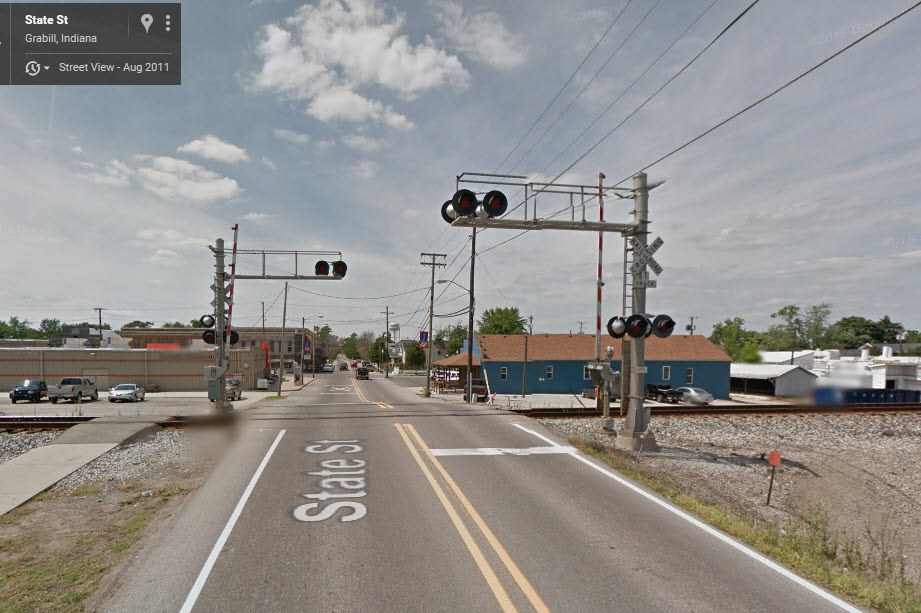
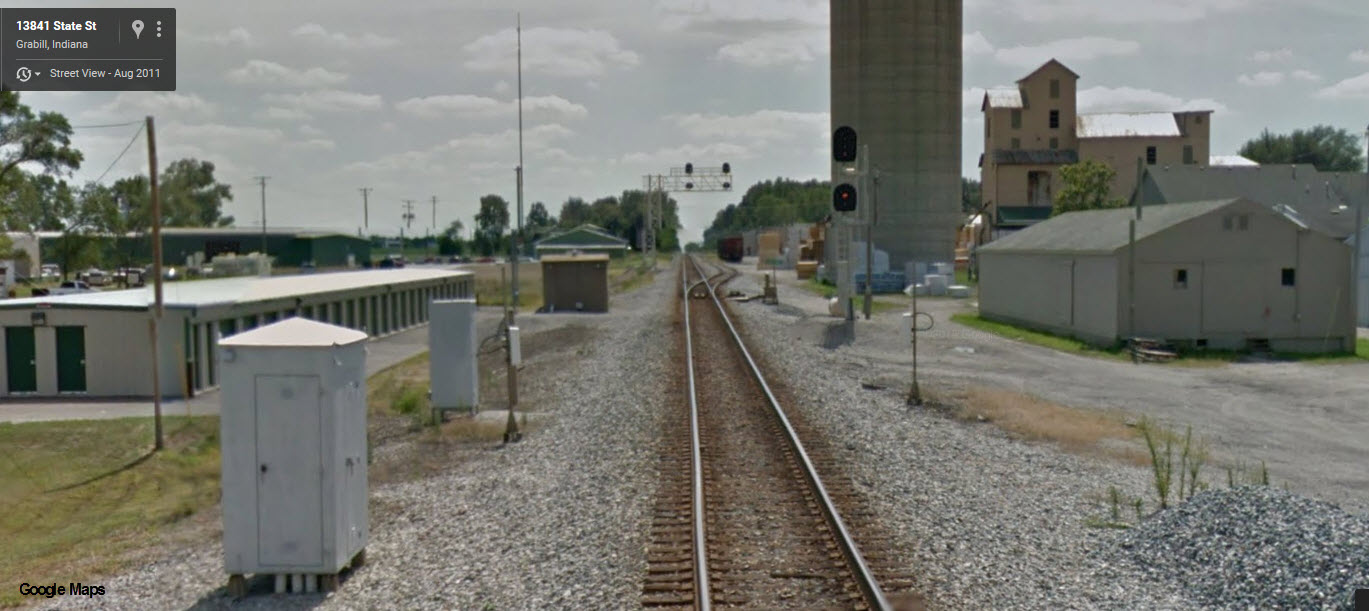
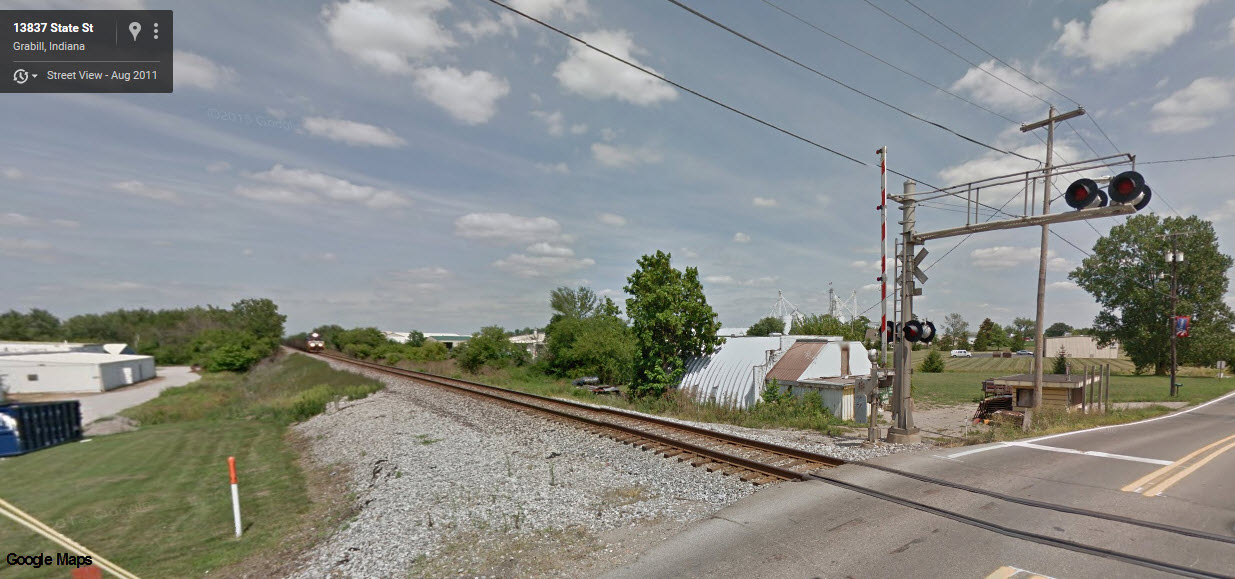
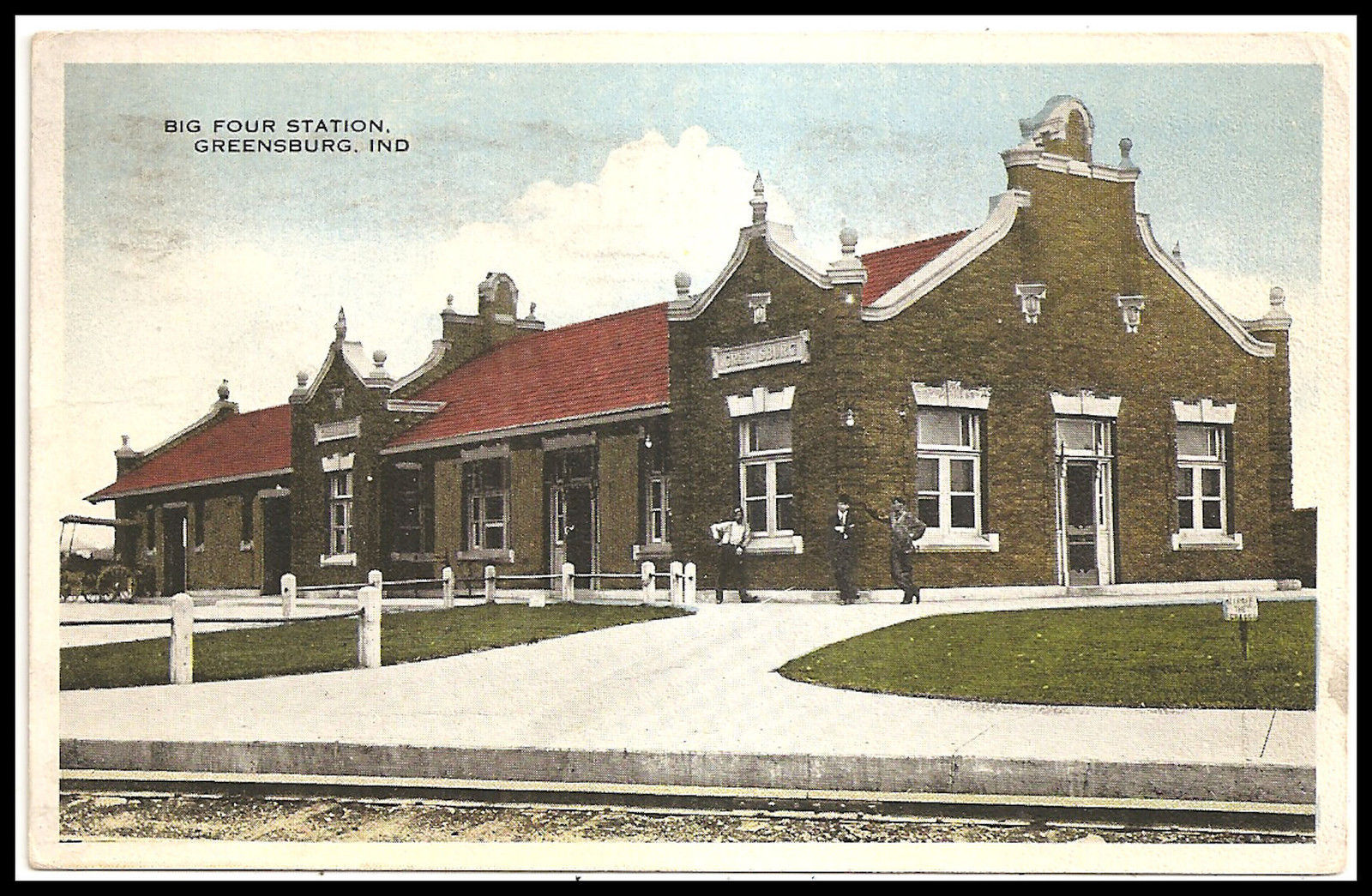
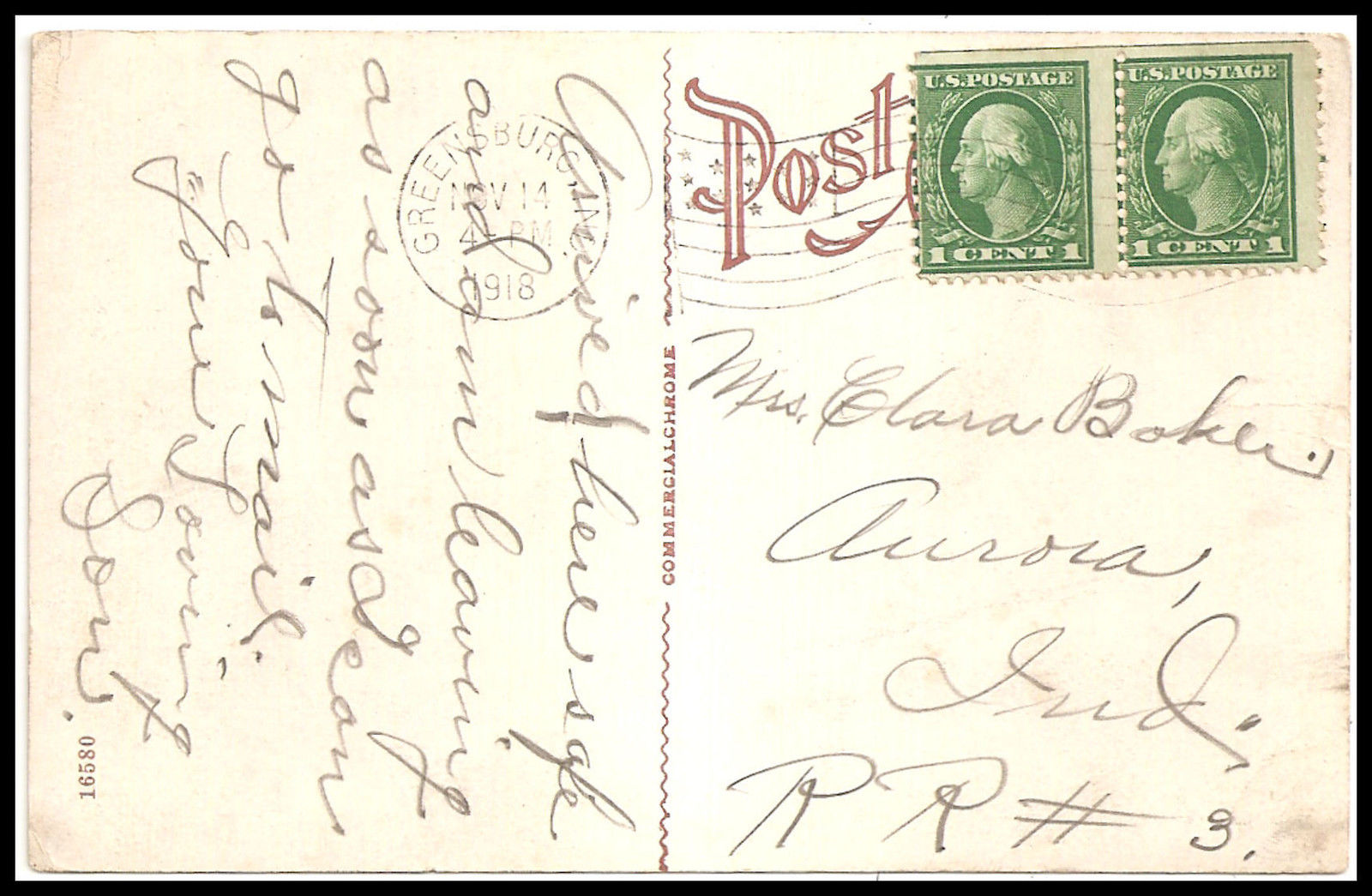
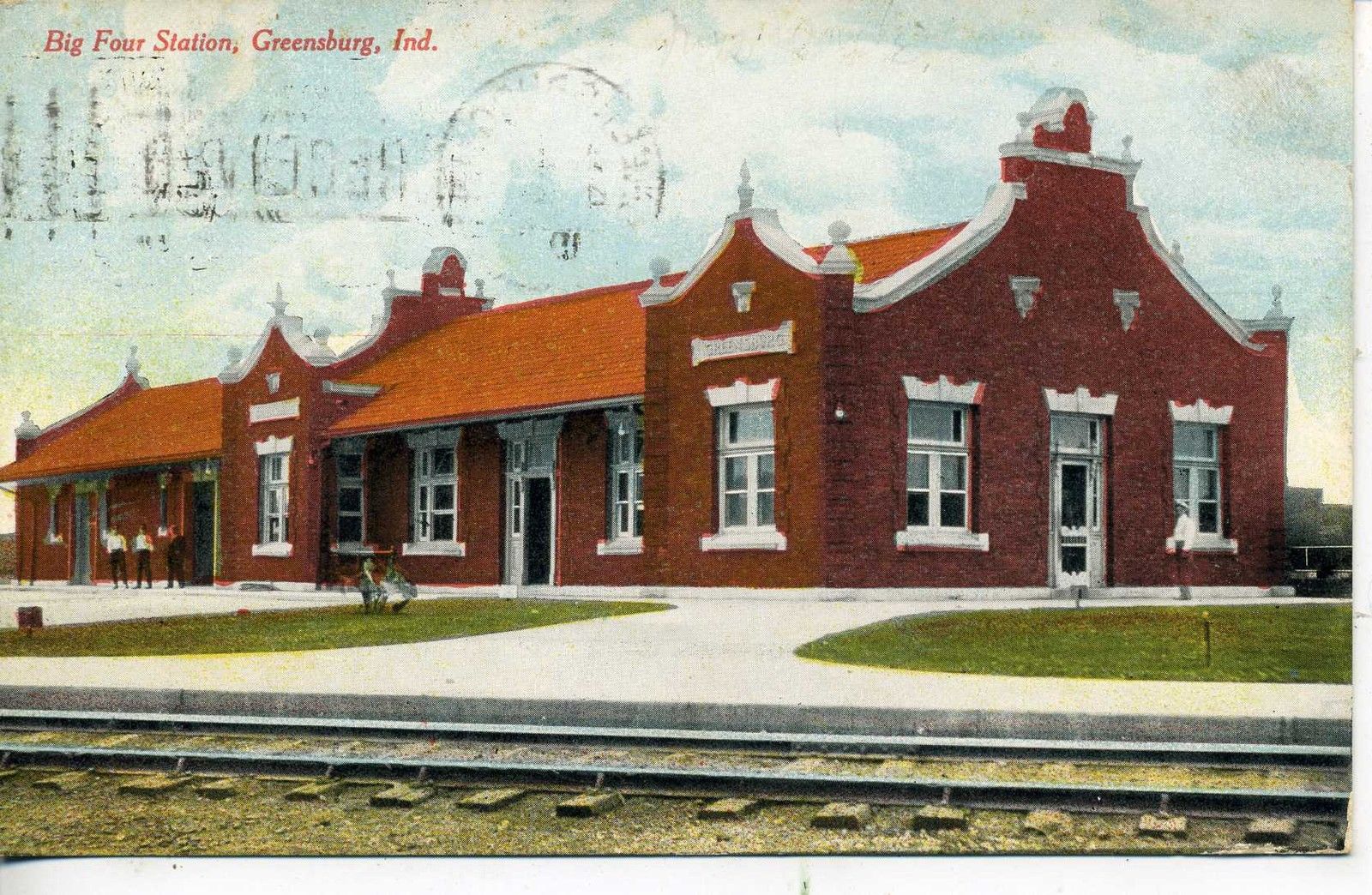
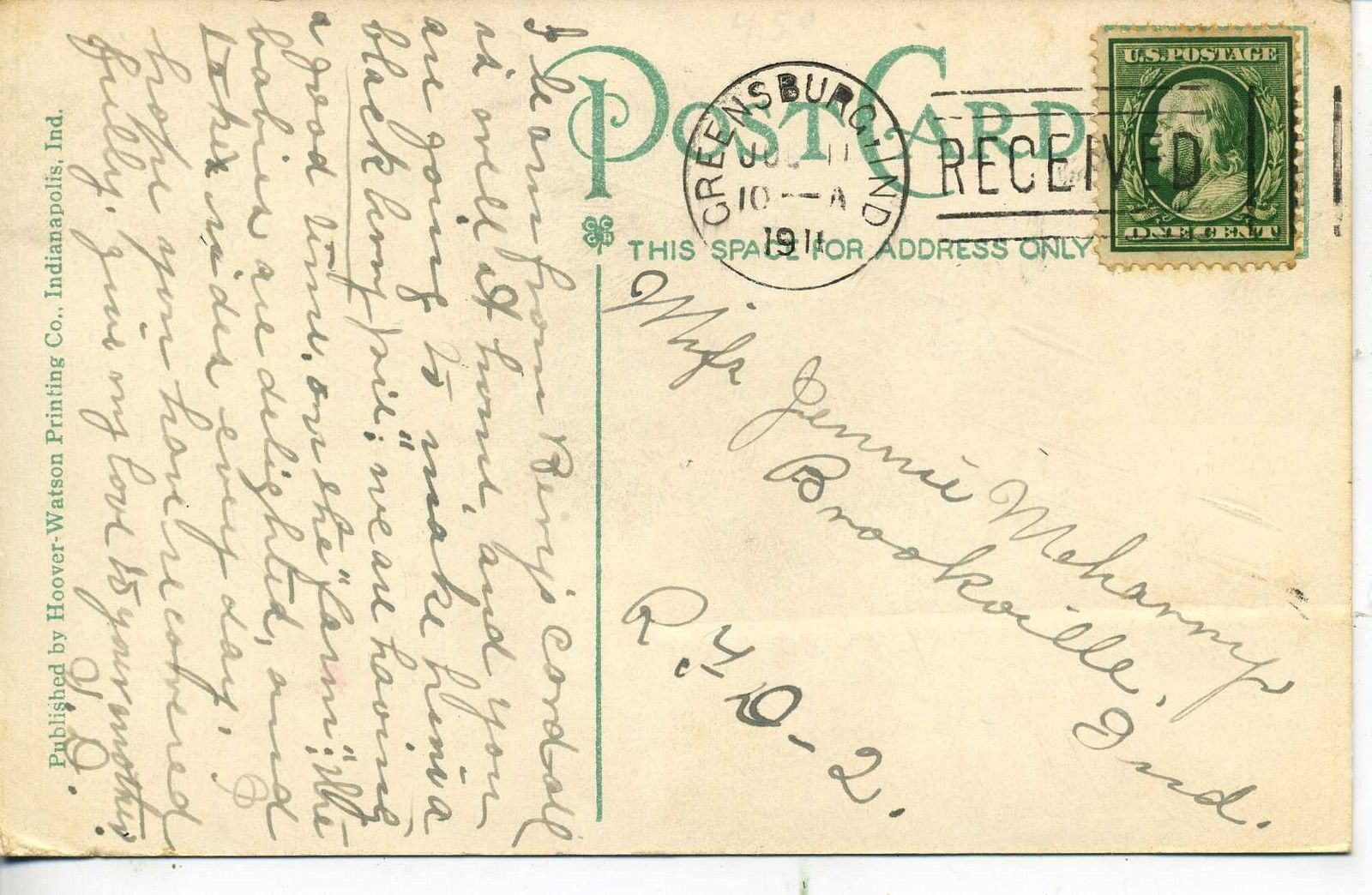
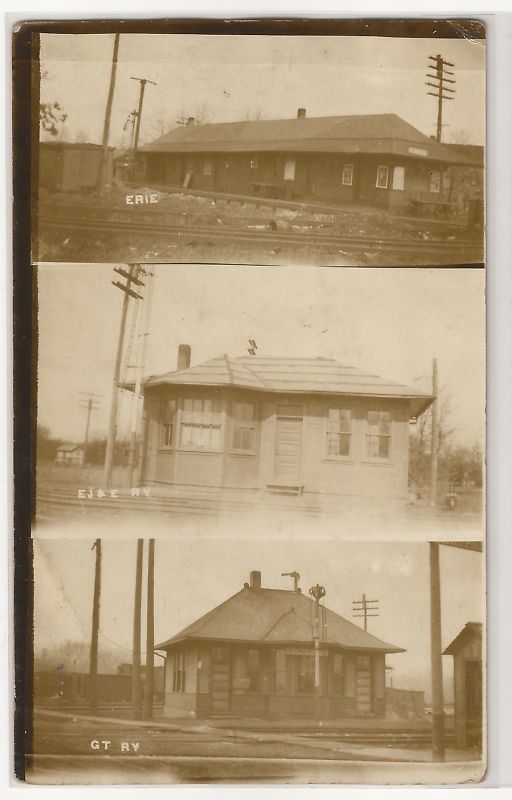
 Photo courtesy Denver Todd
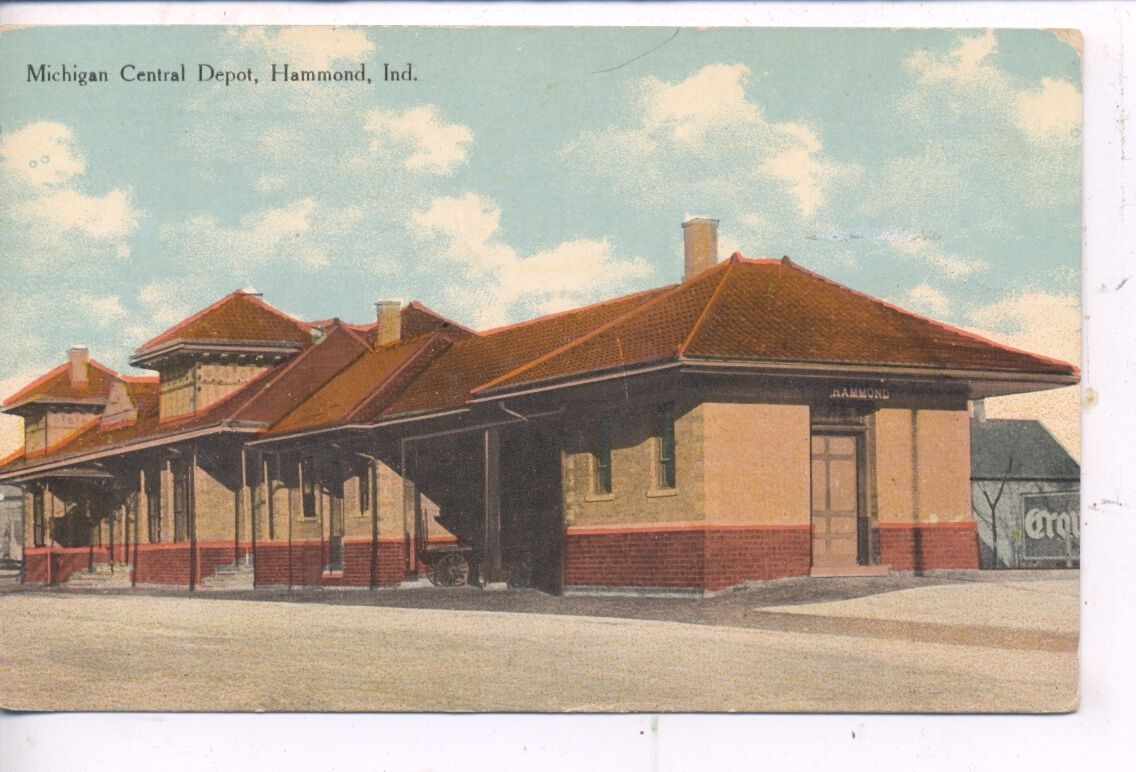
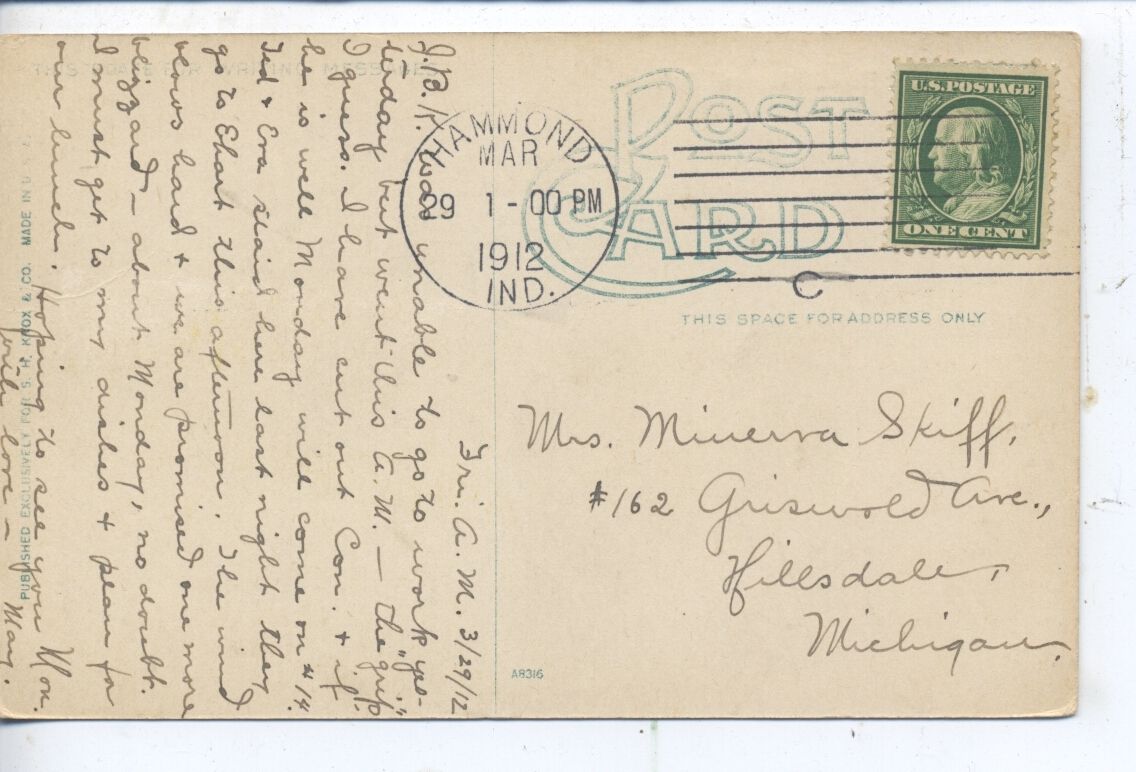
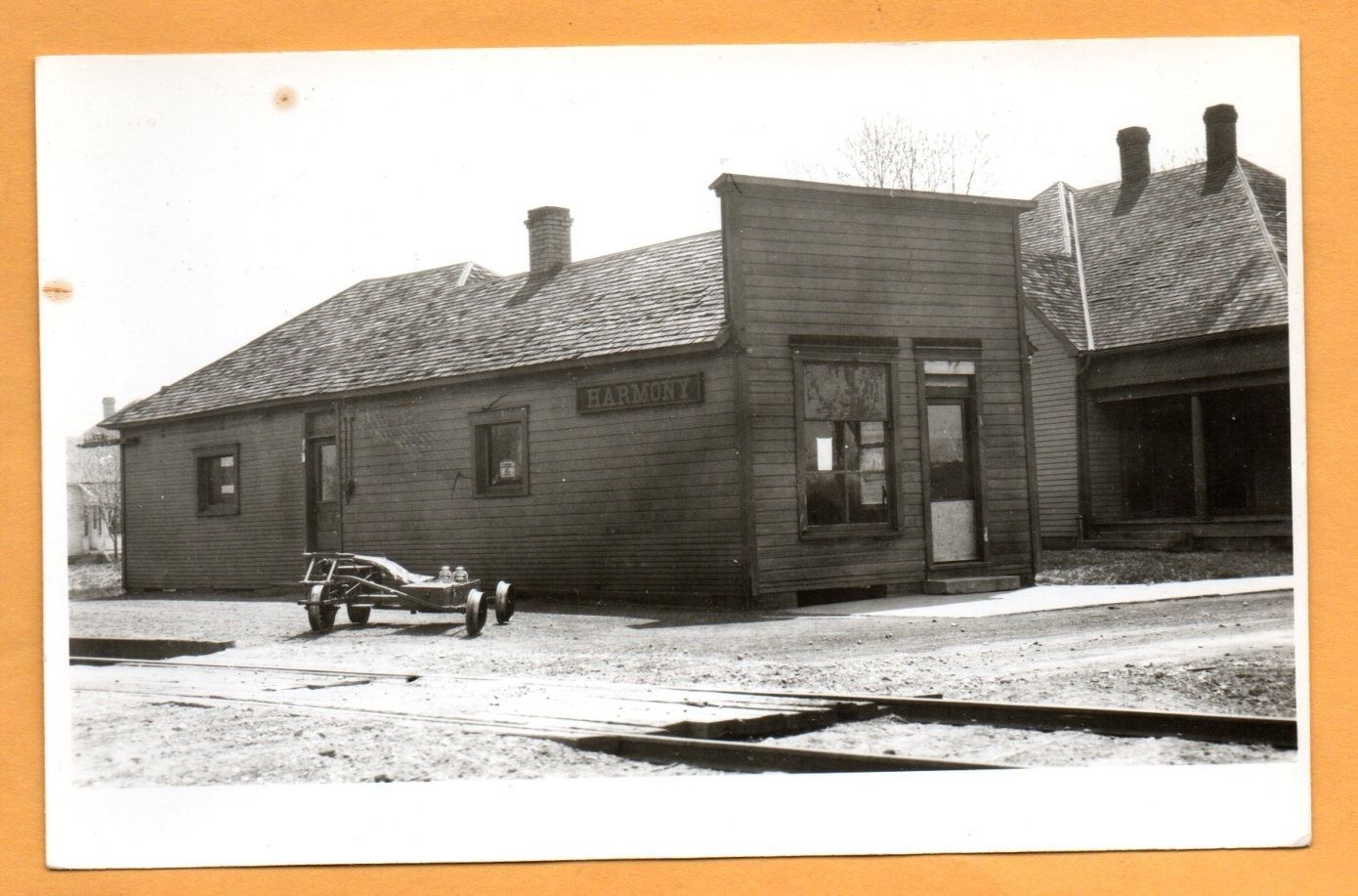
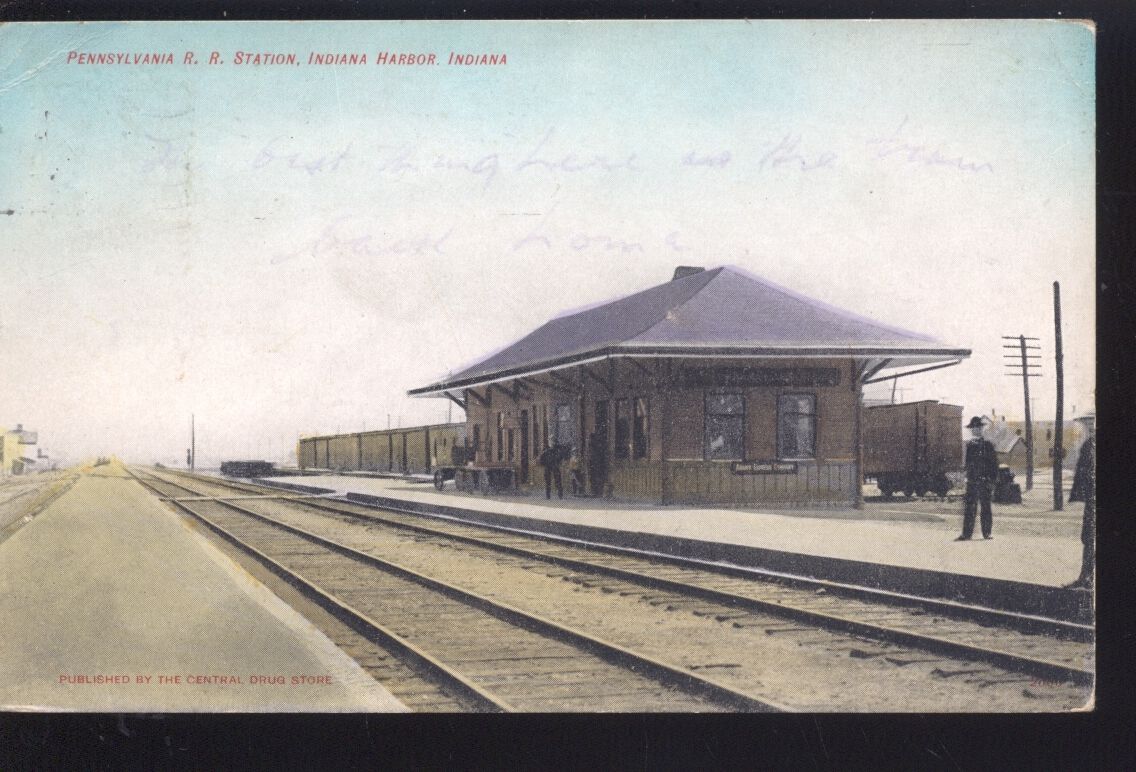
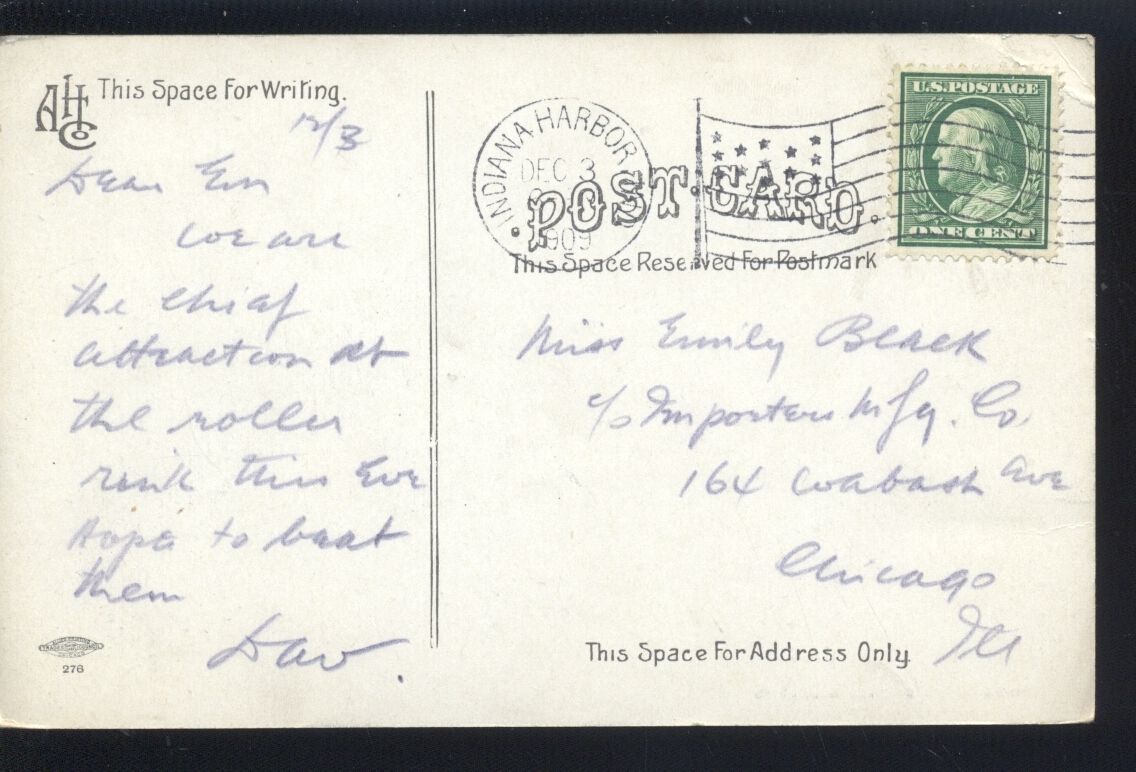
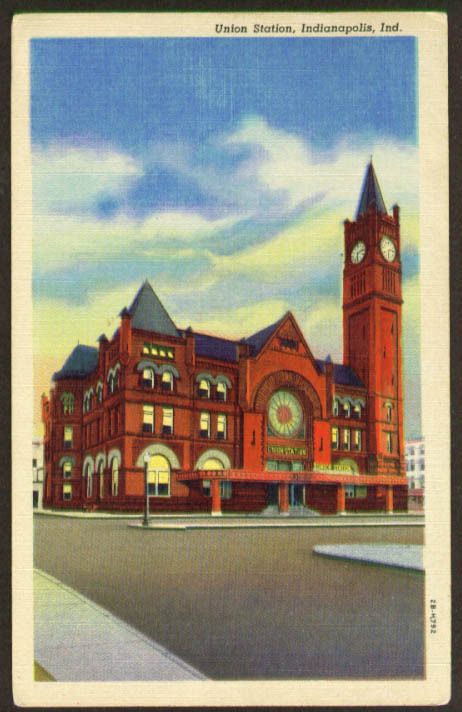
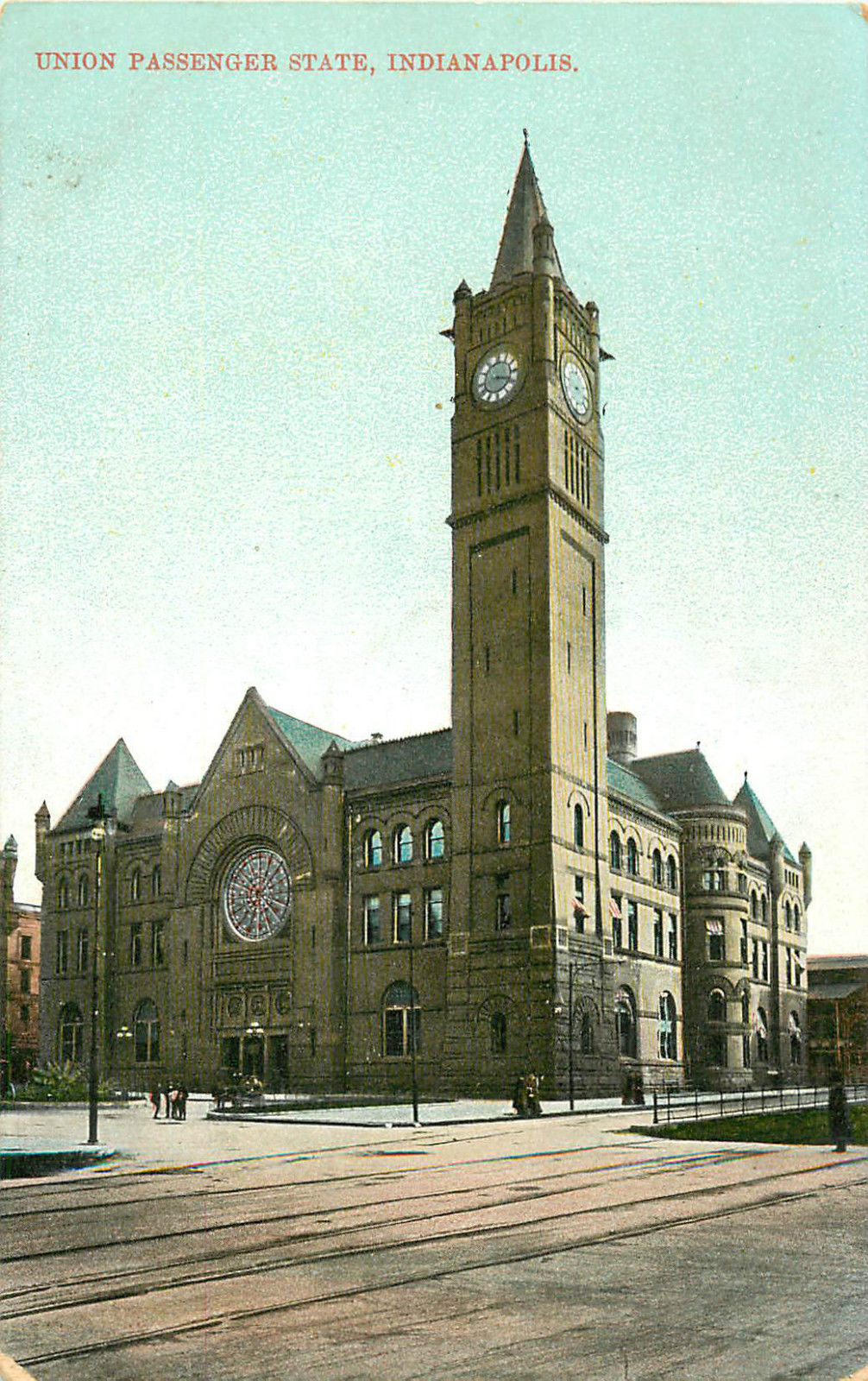
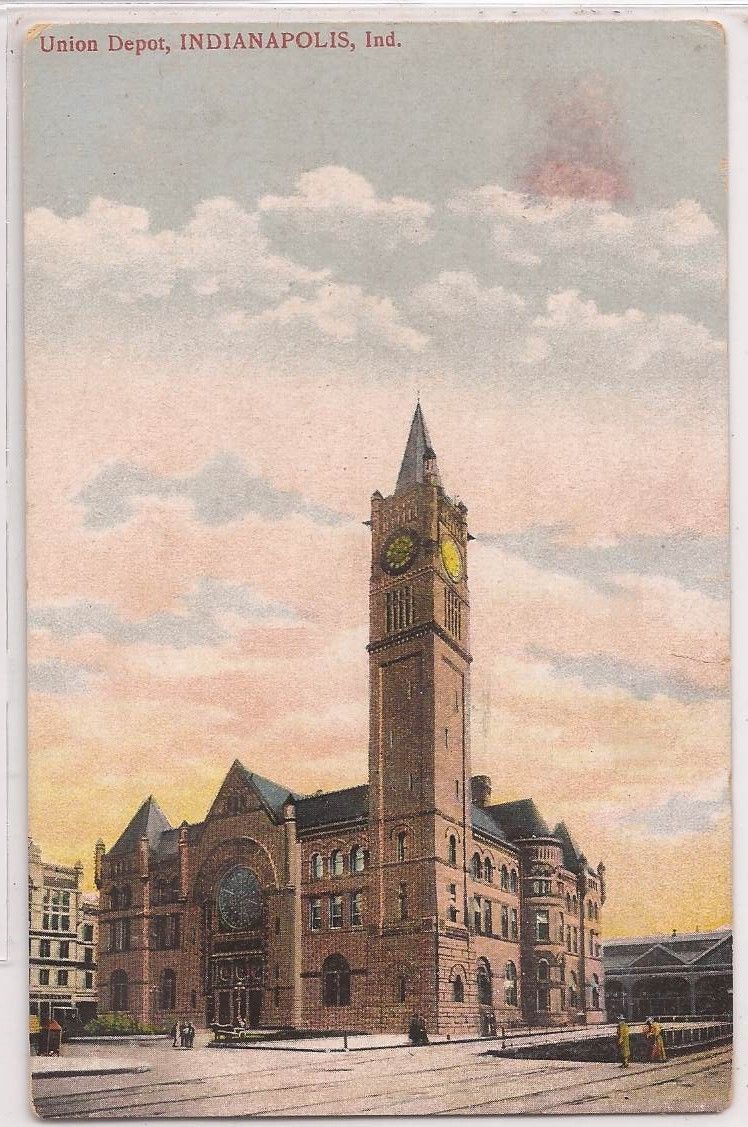
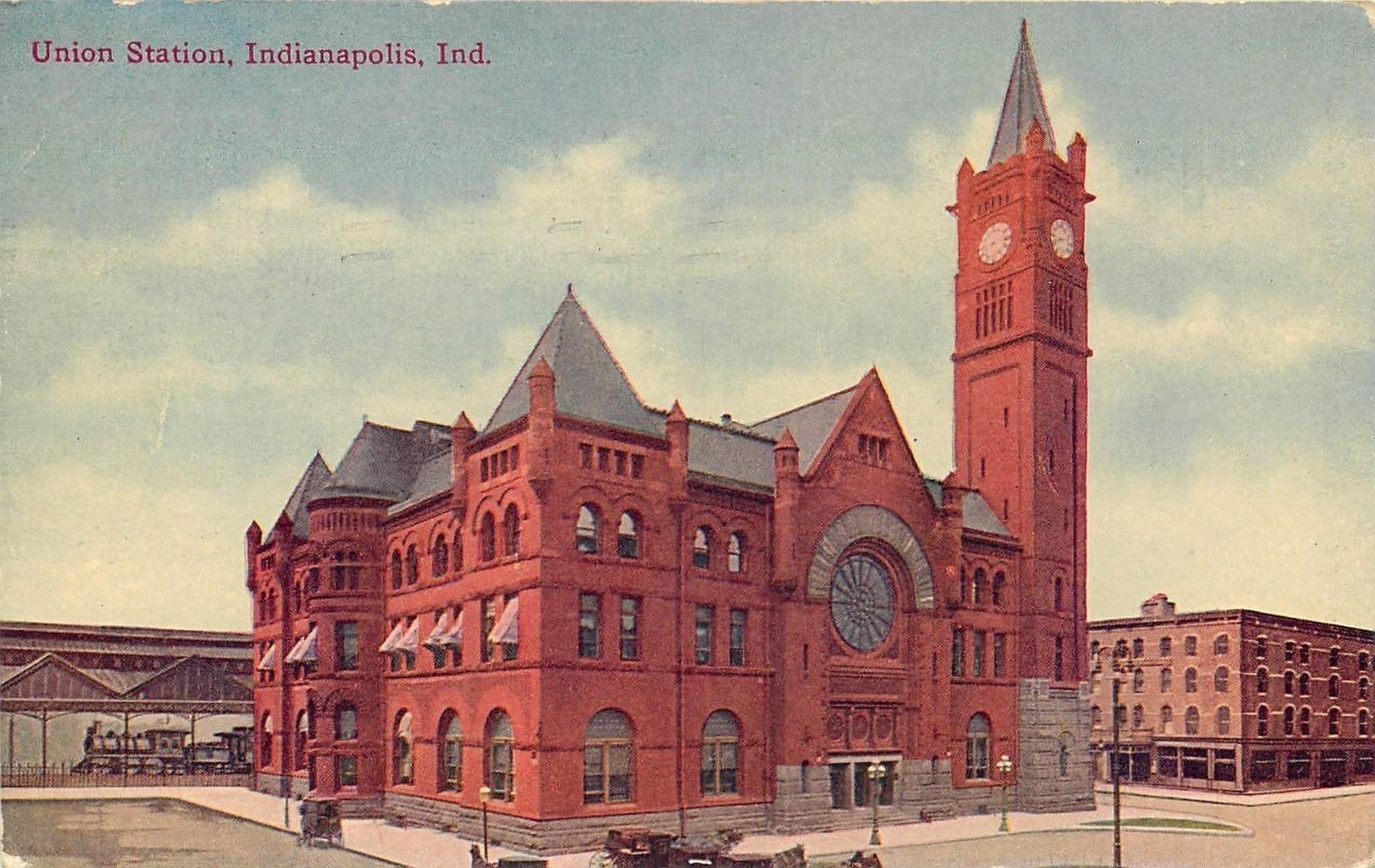
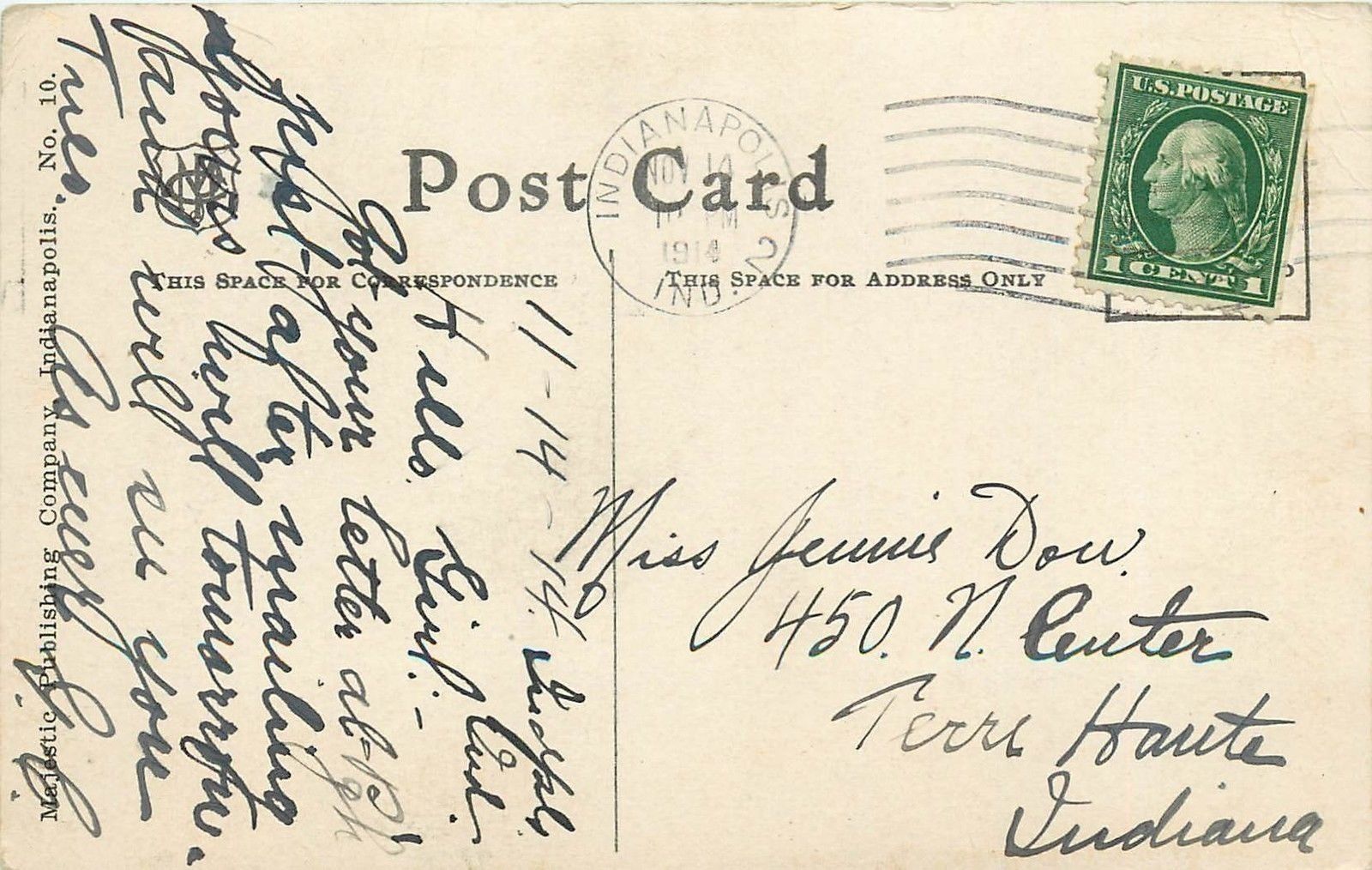
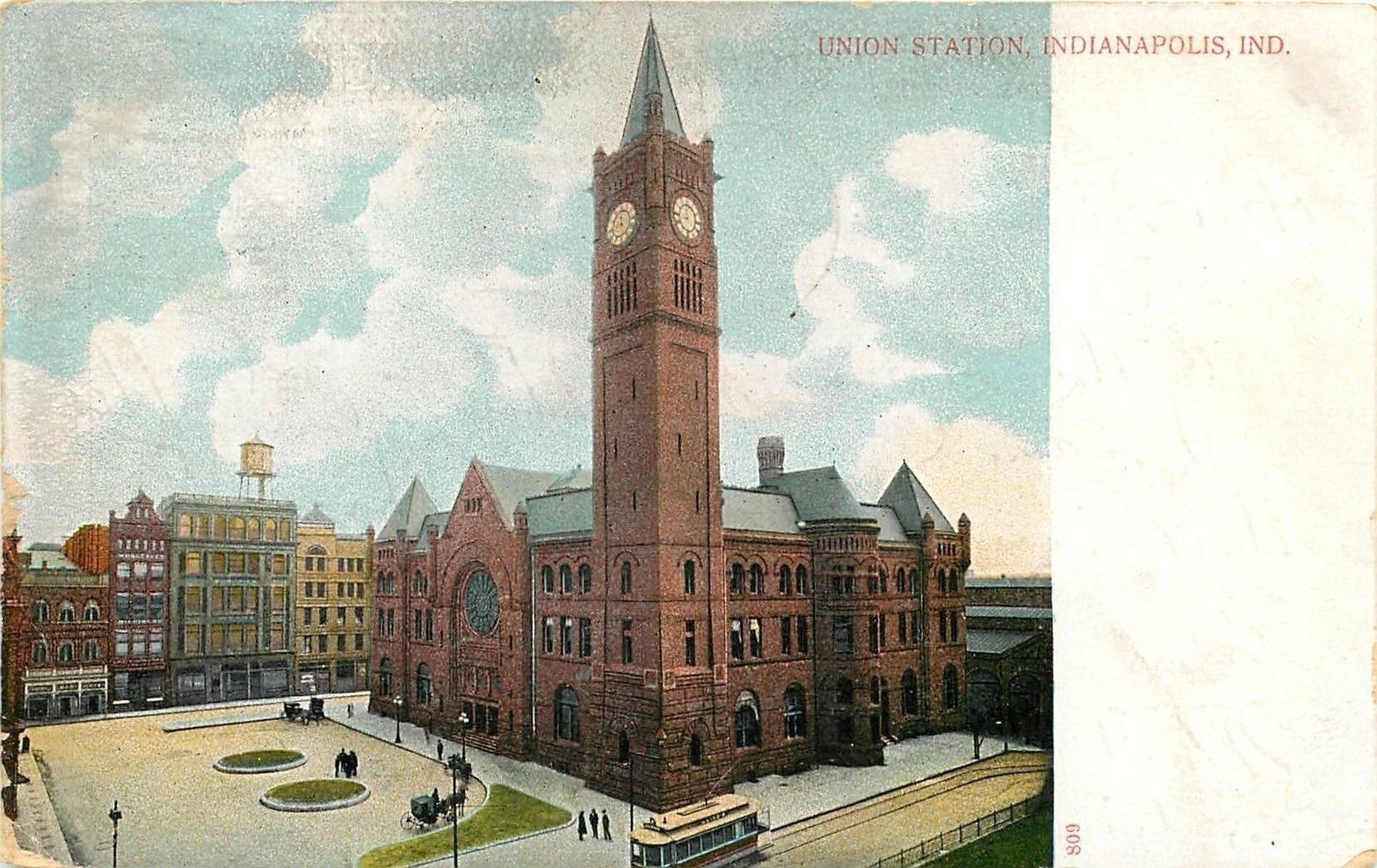
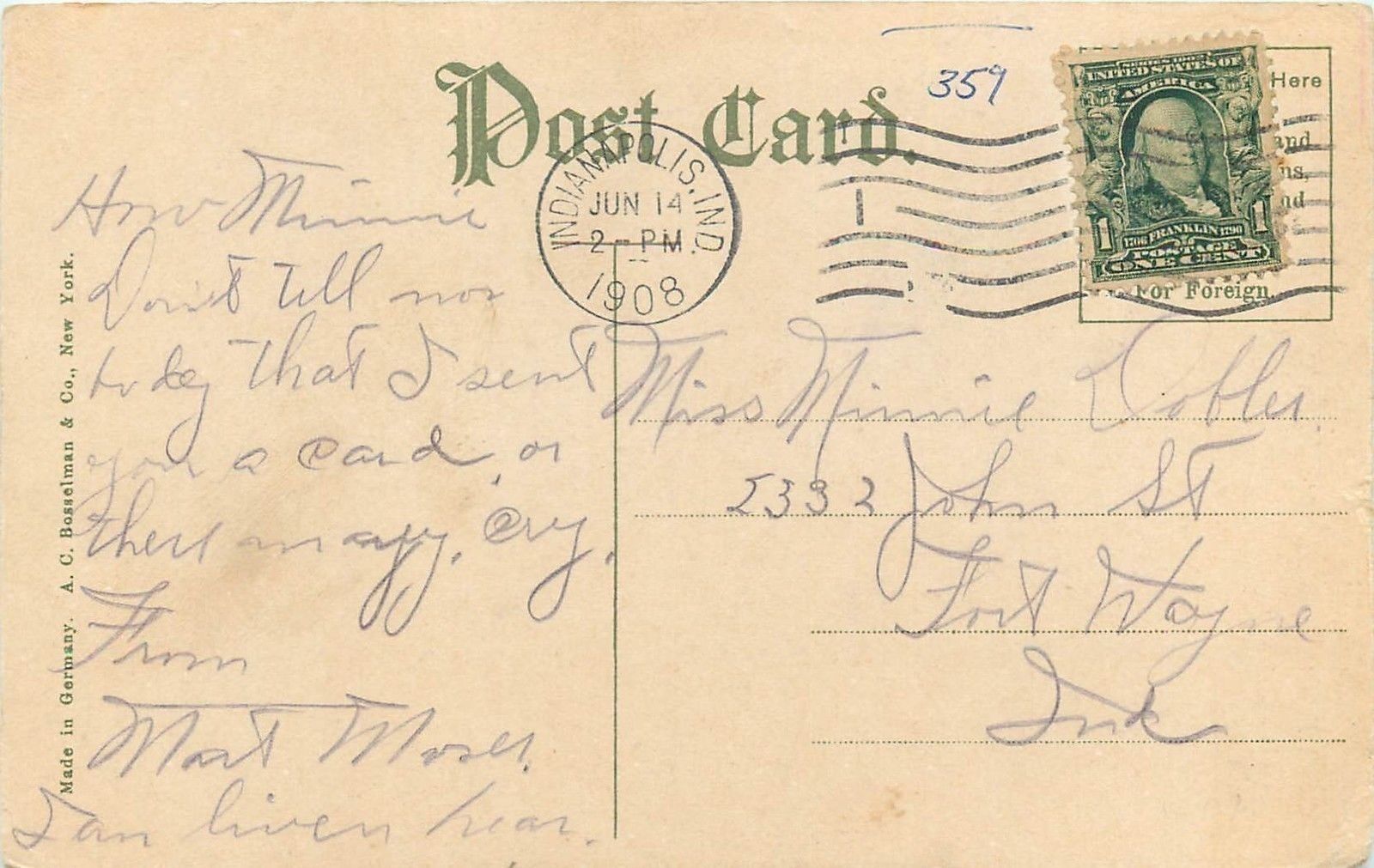

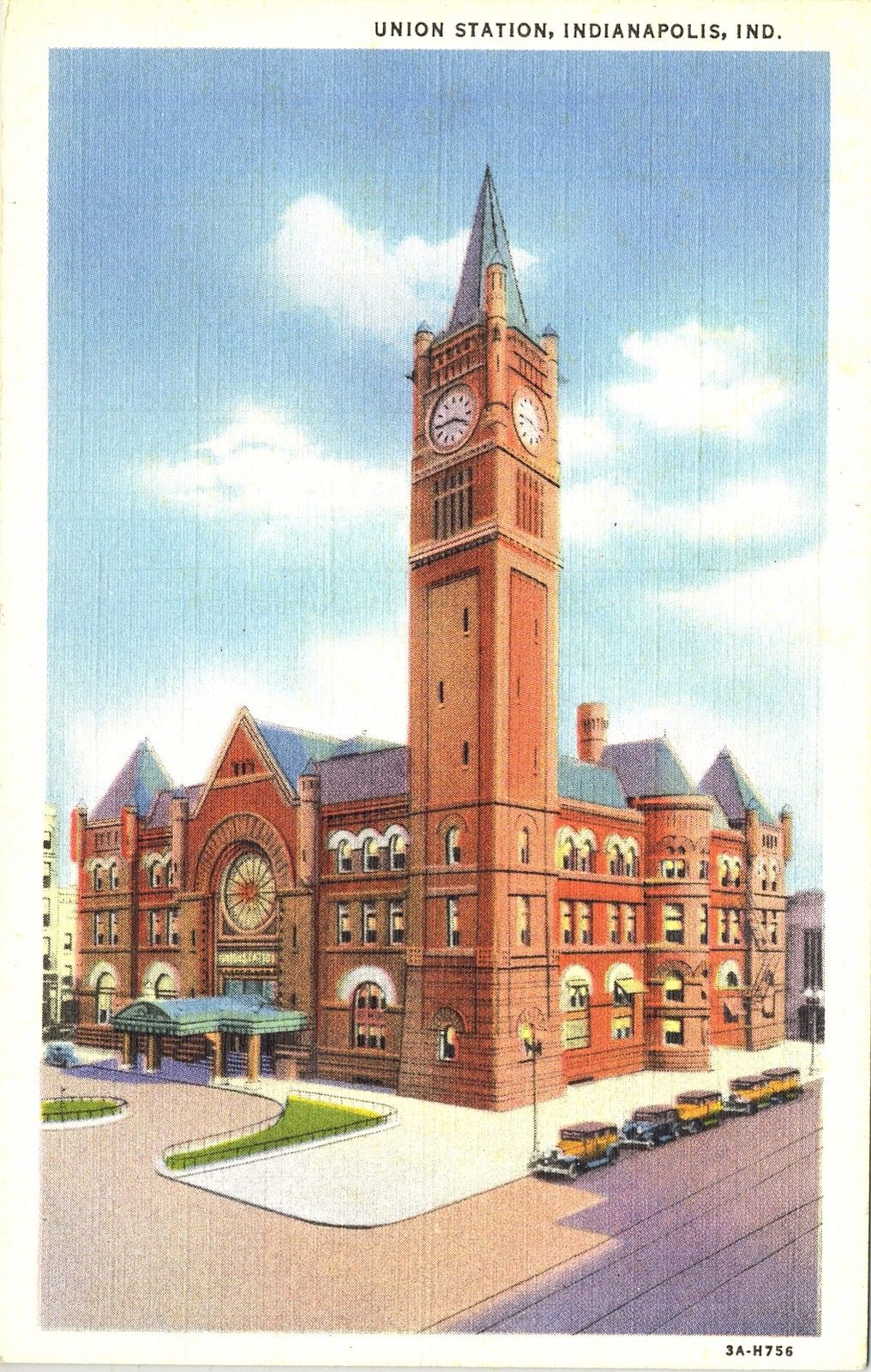

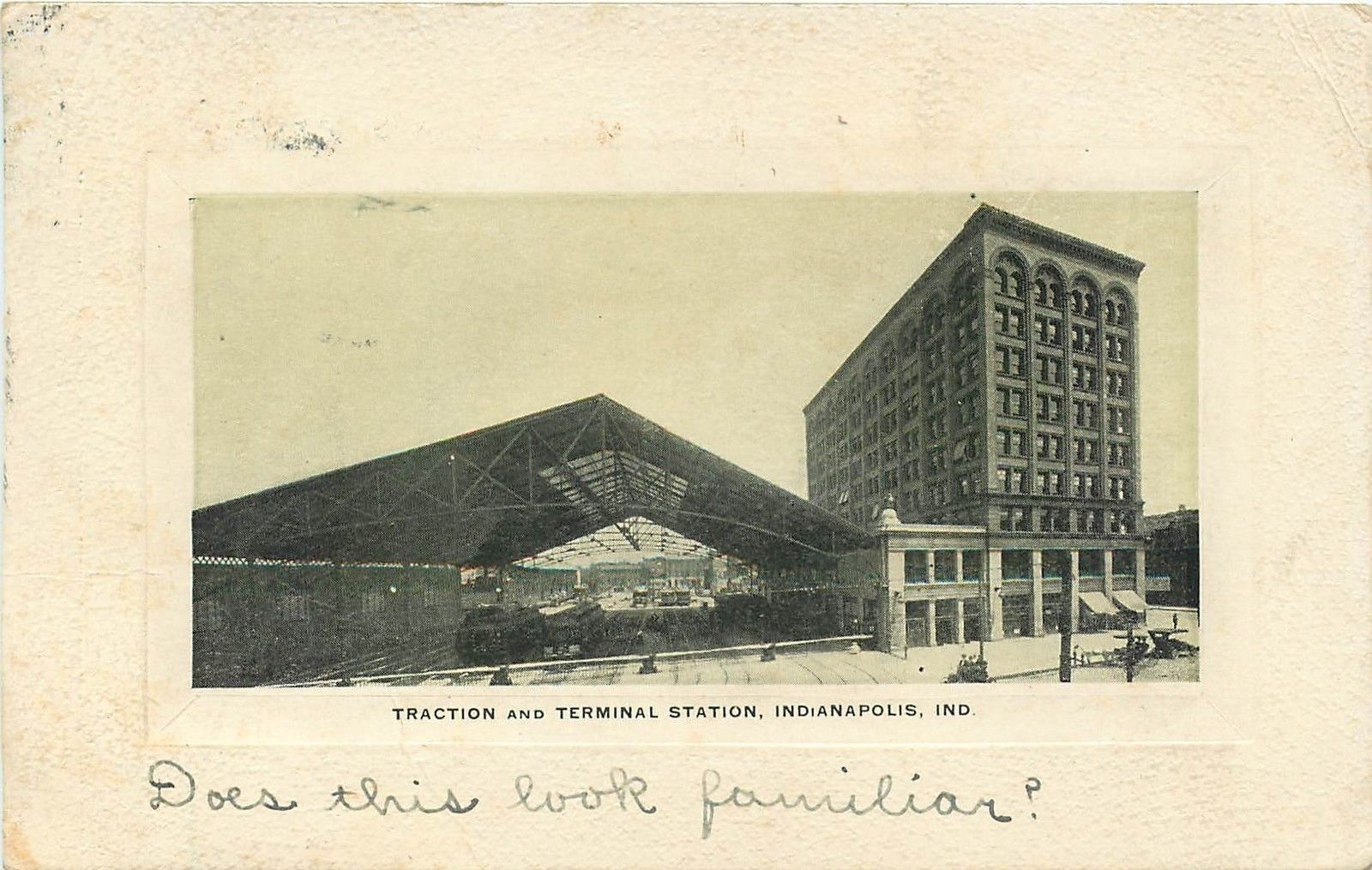
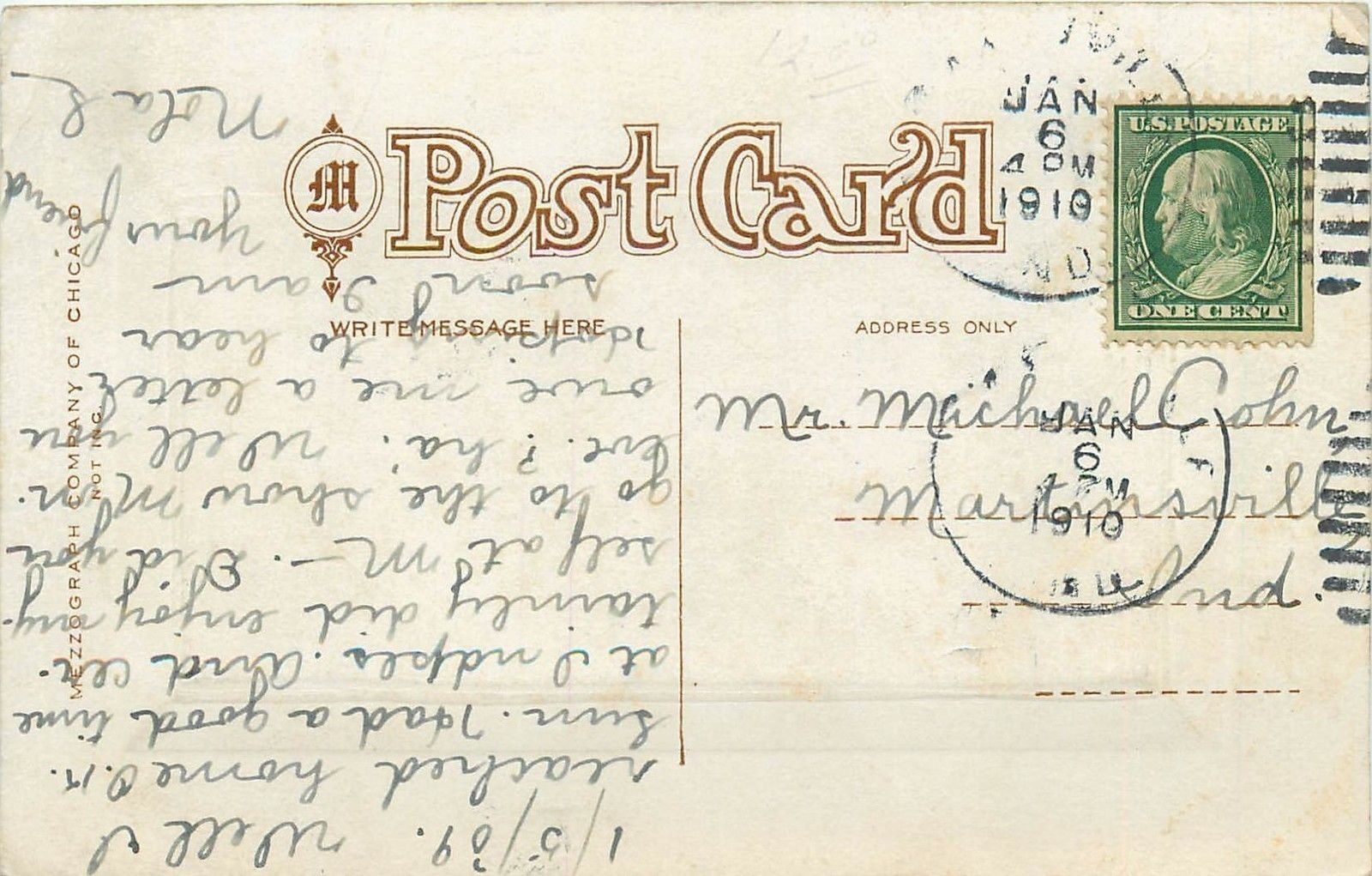
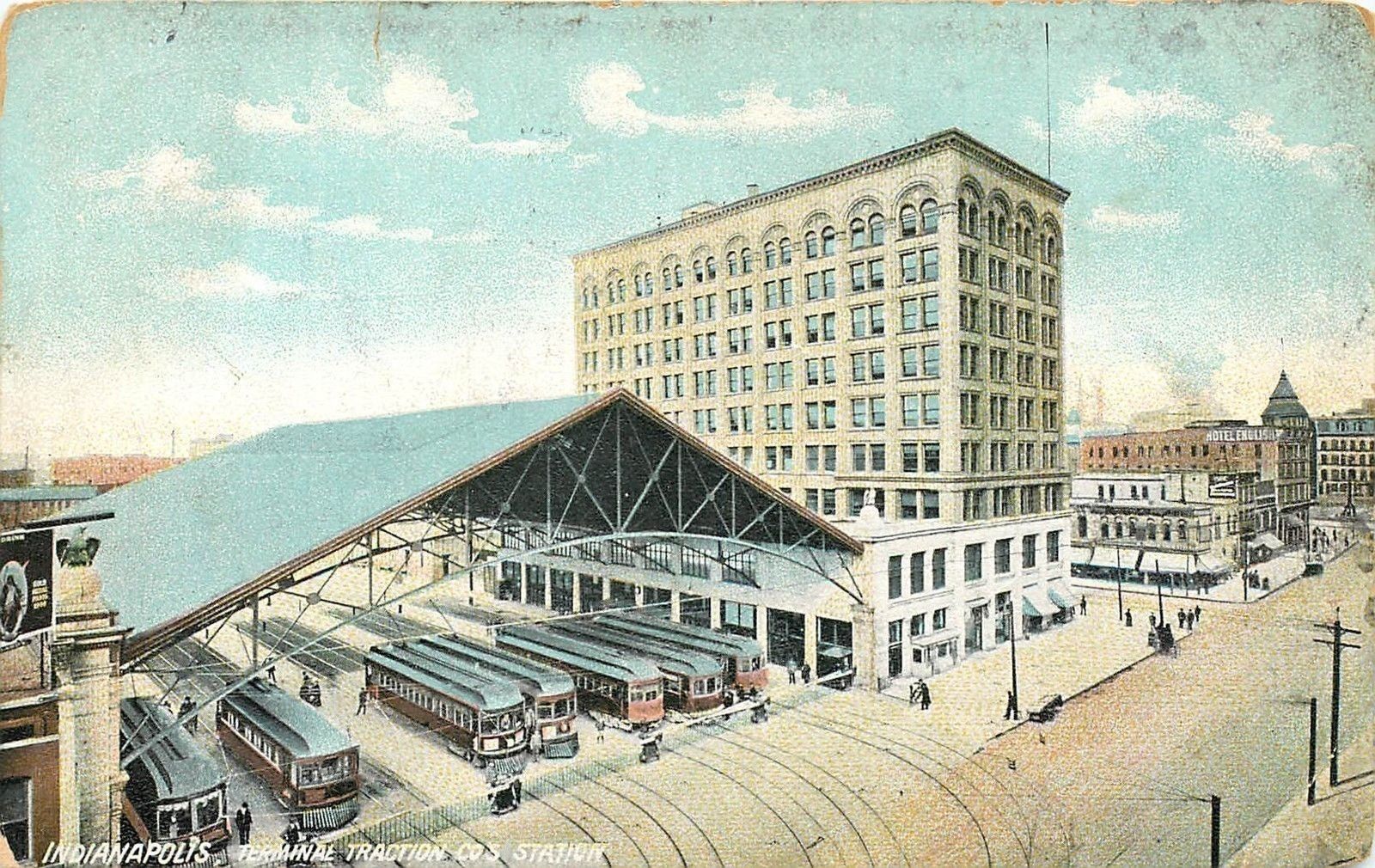
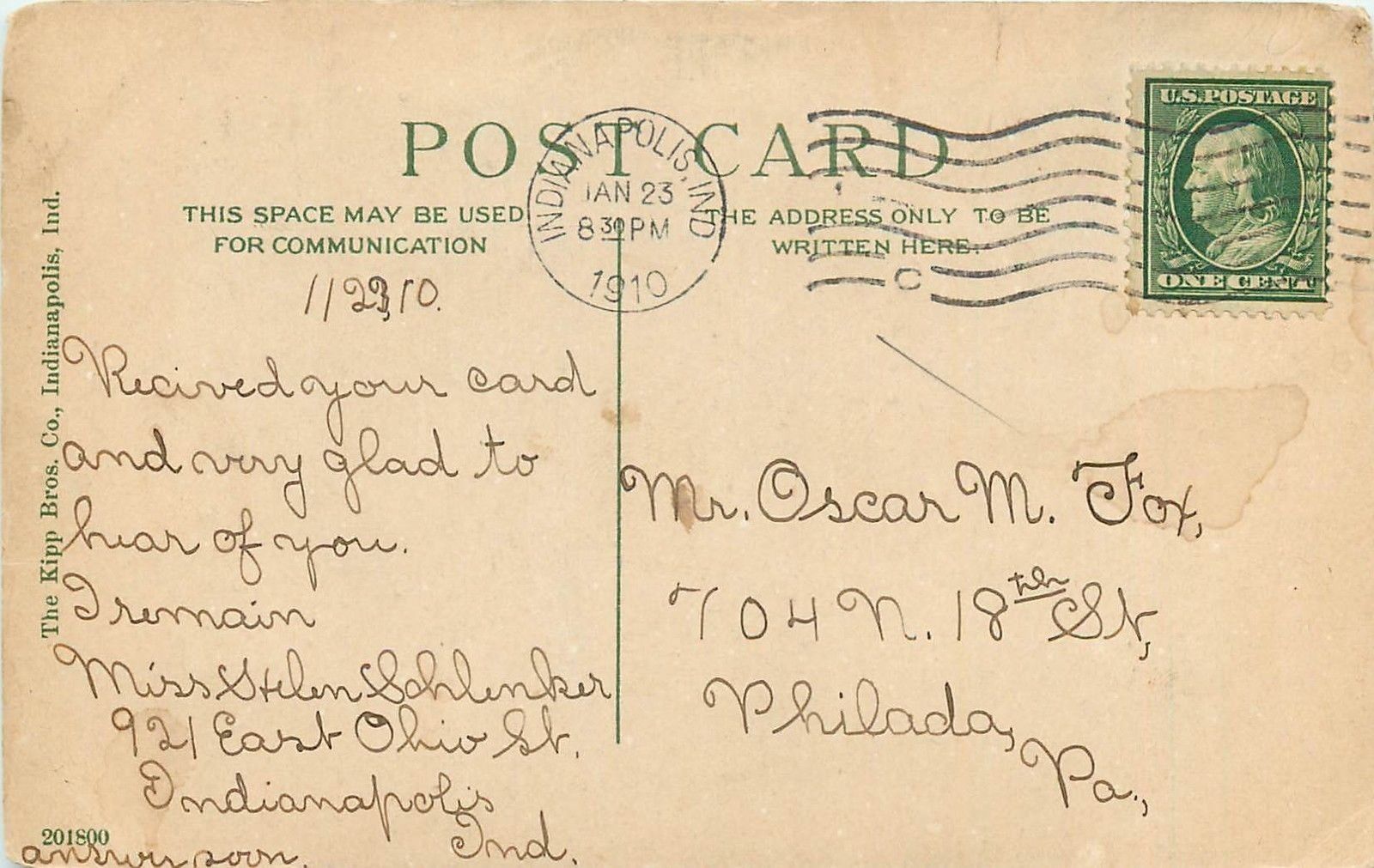
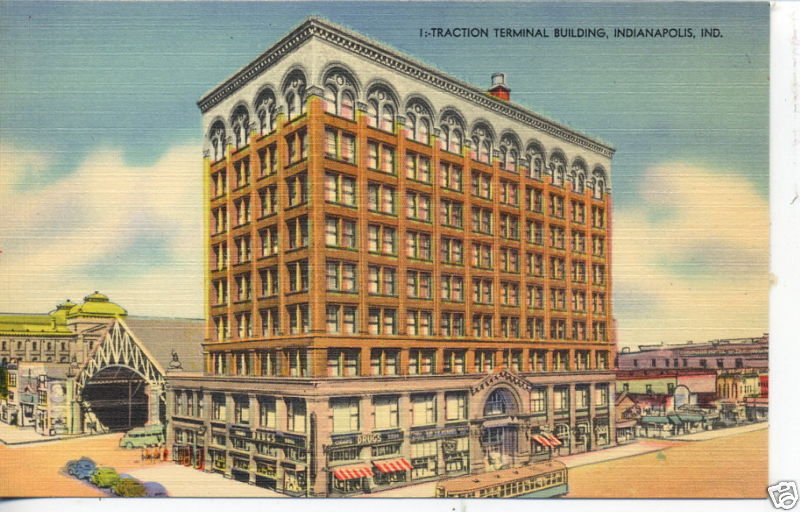
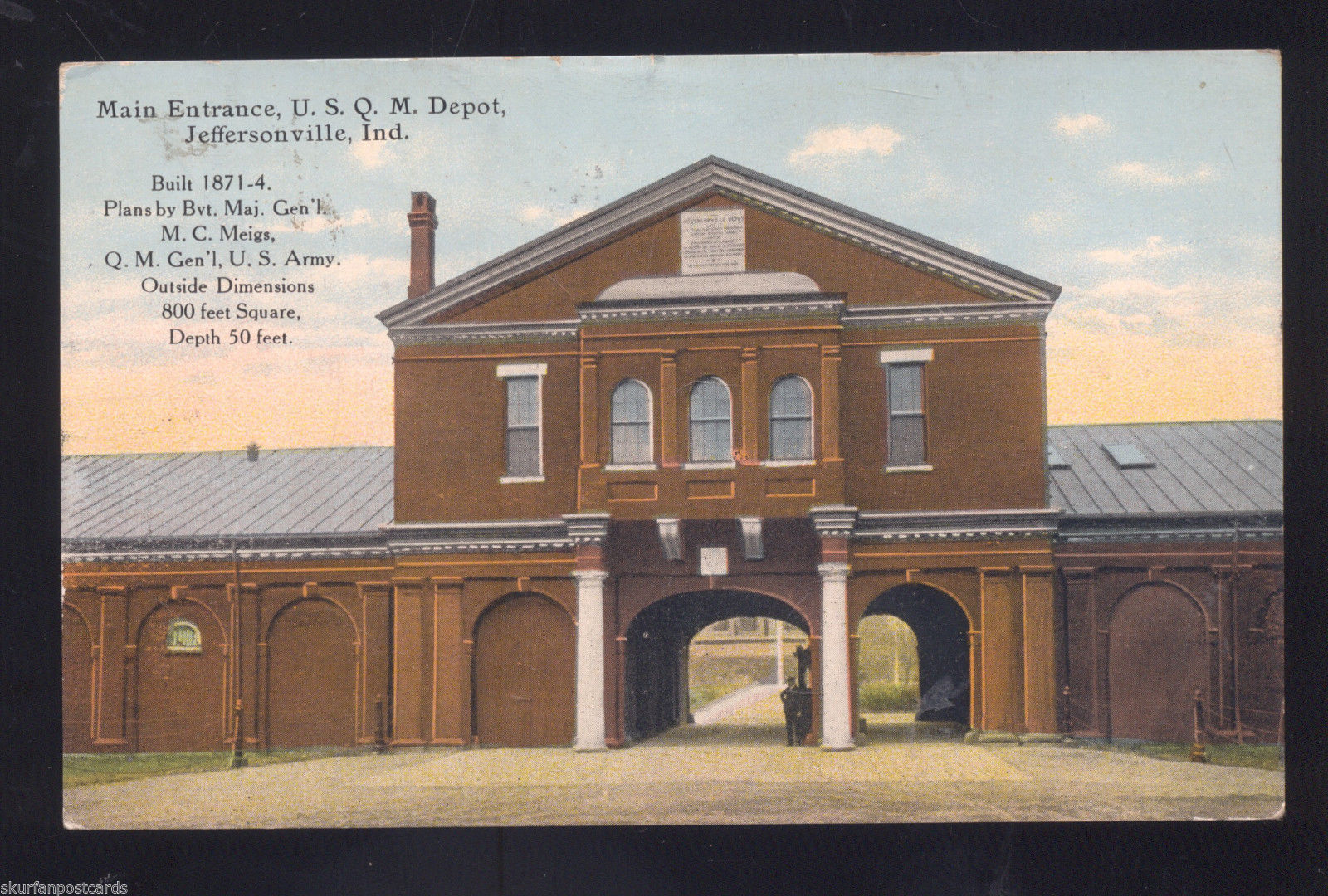
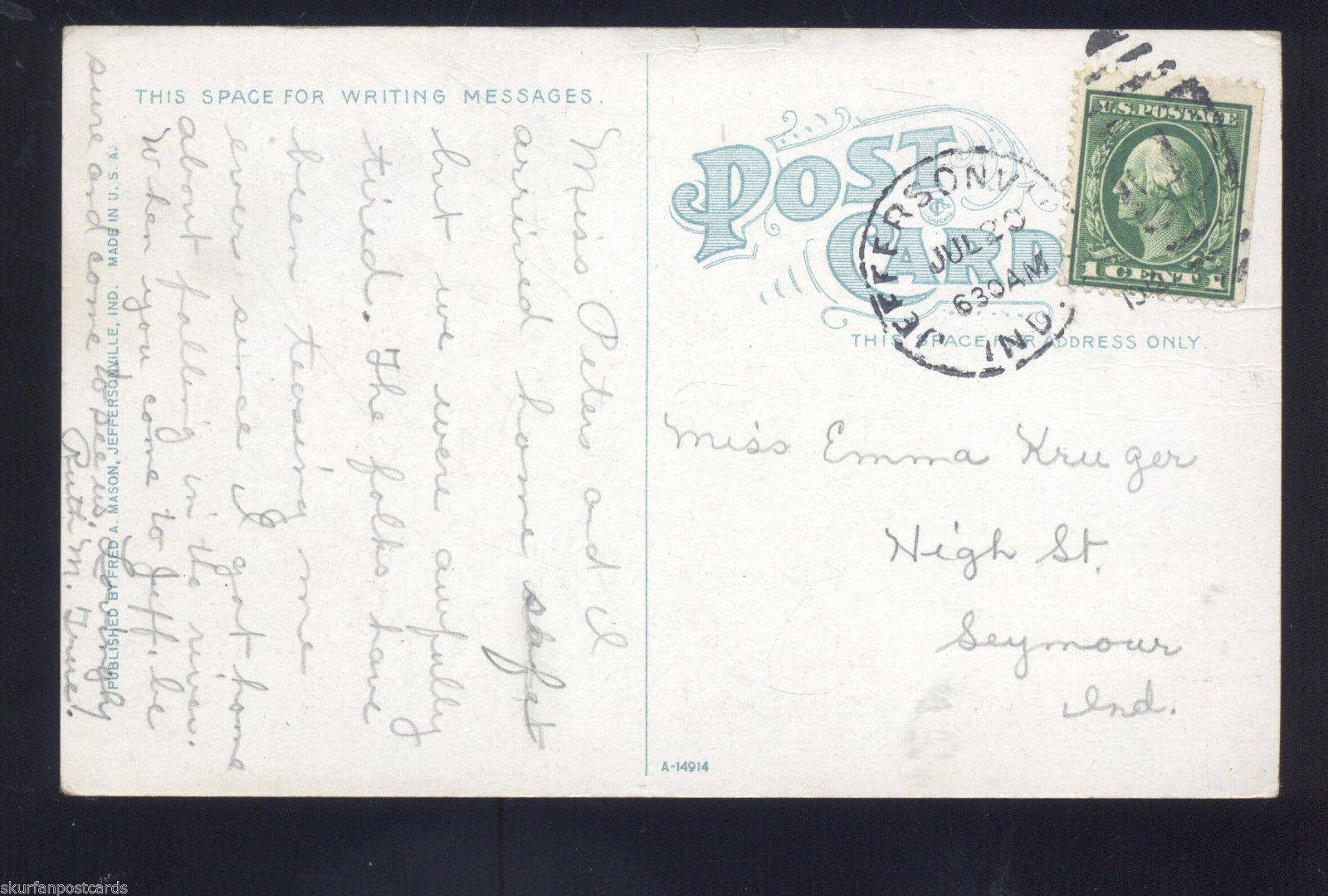
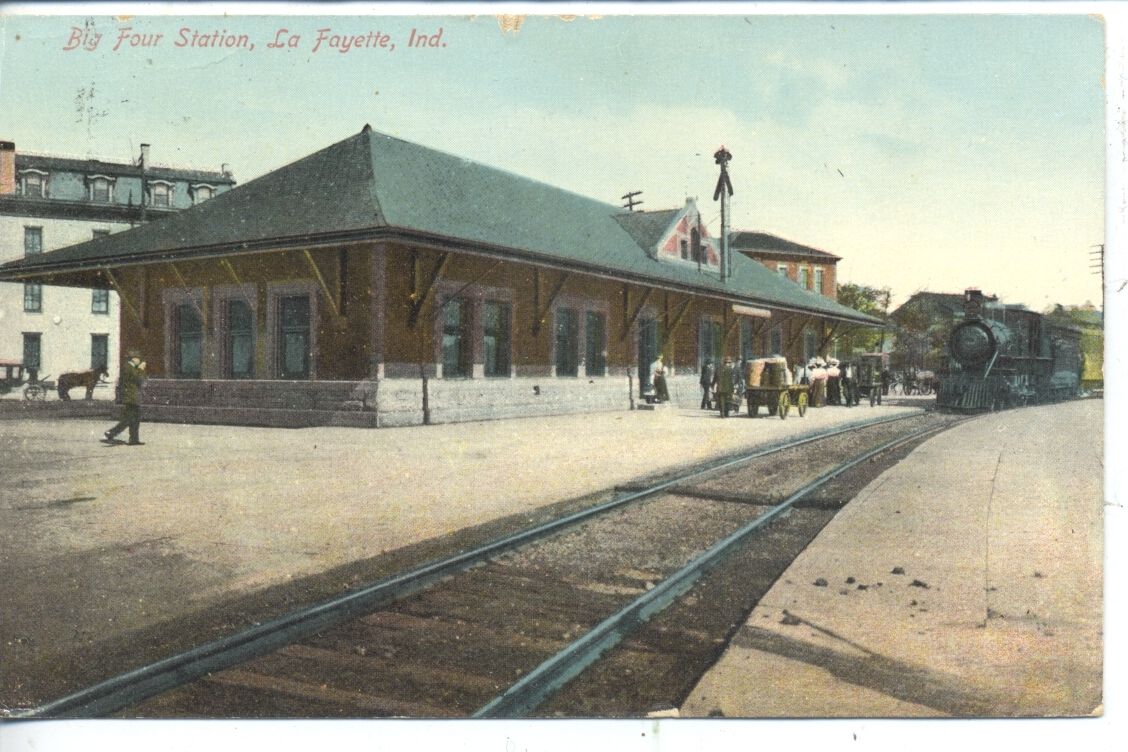
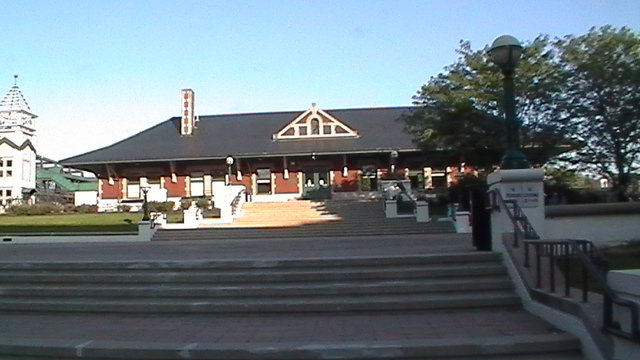 Photo courtesy Denver Todd
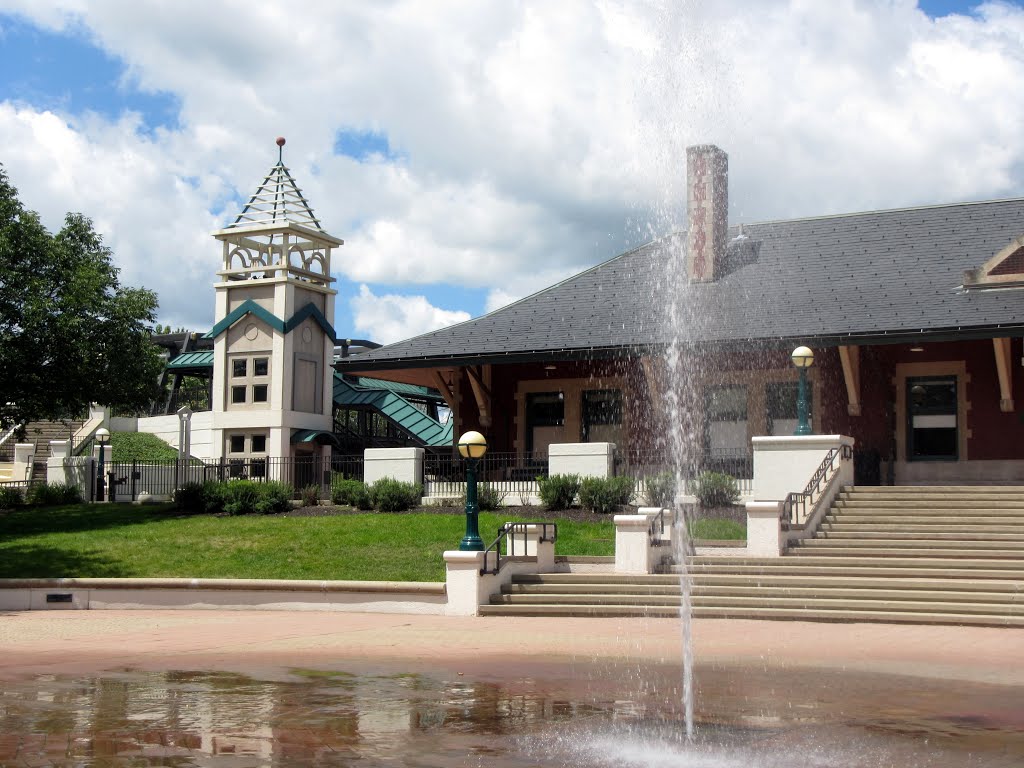 photo by Bohao Zhao, found here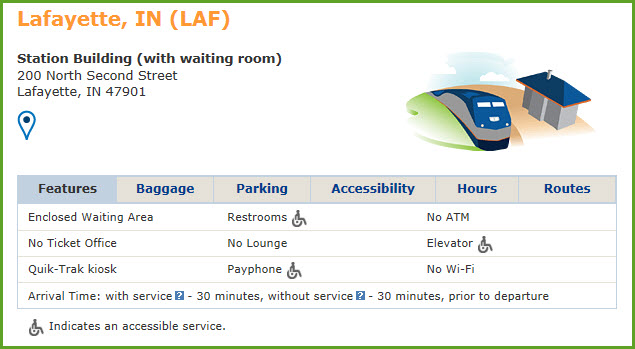
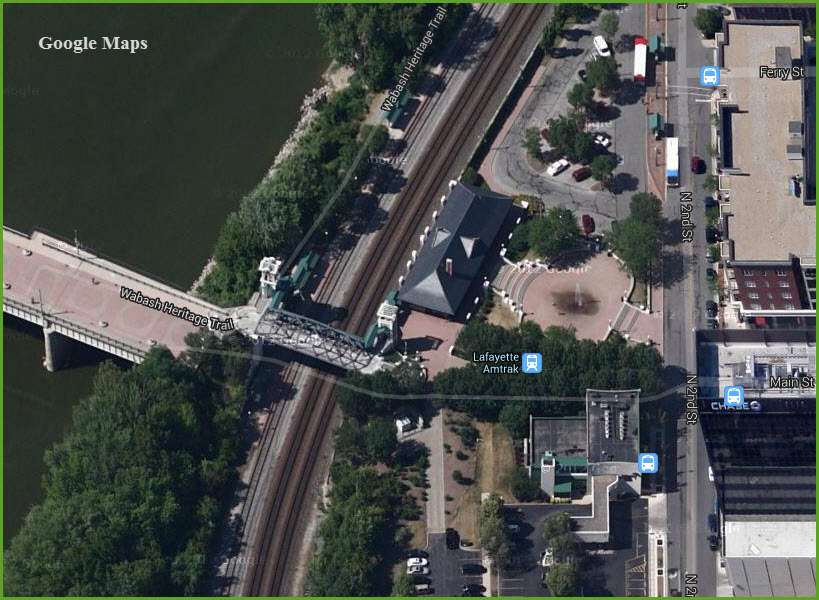
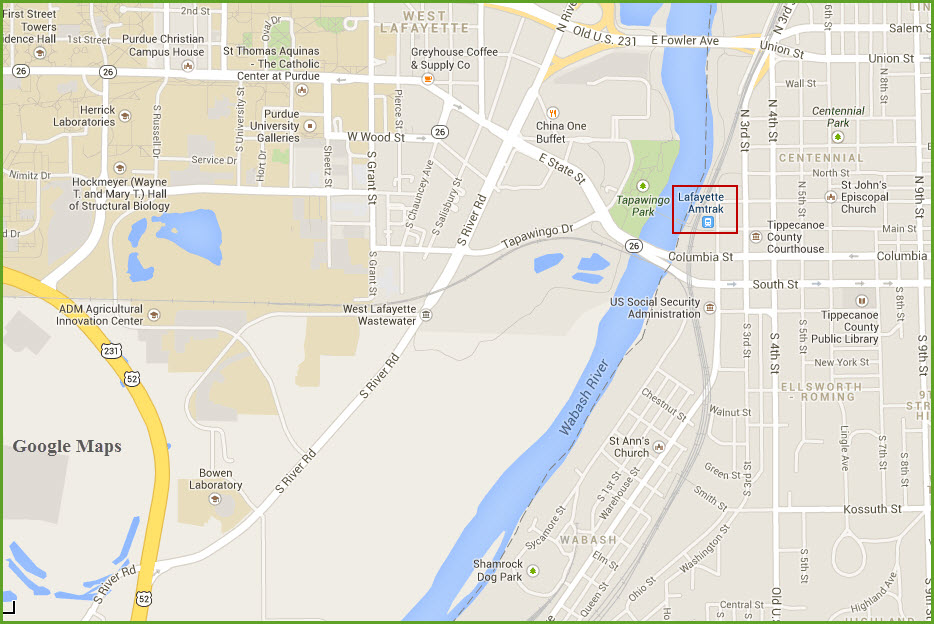
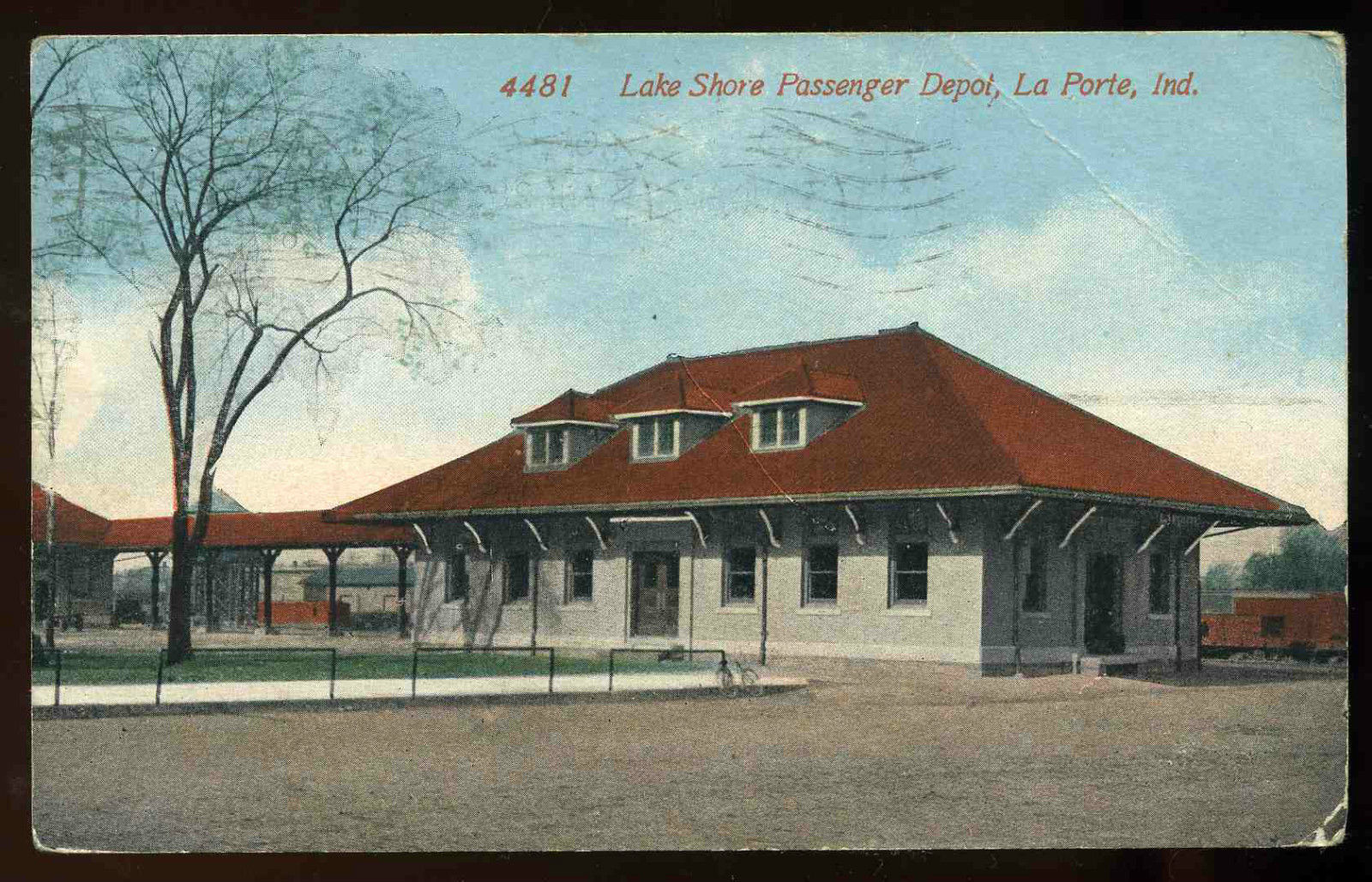
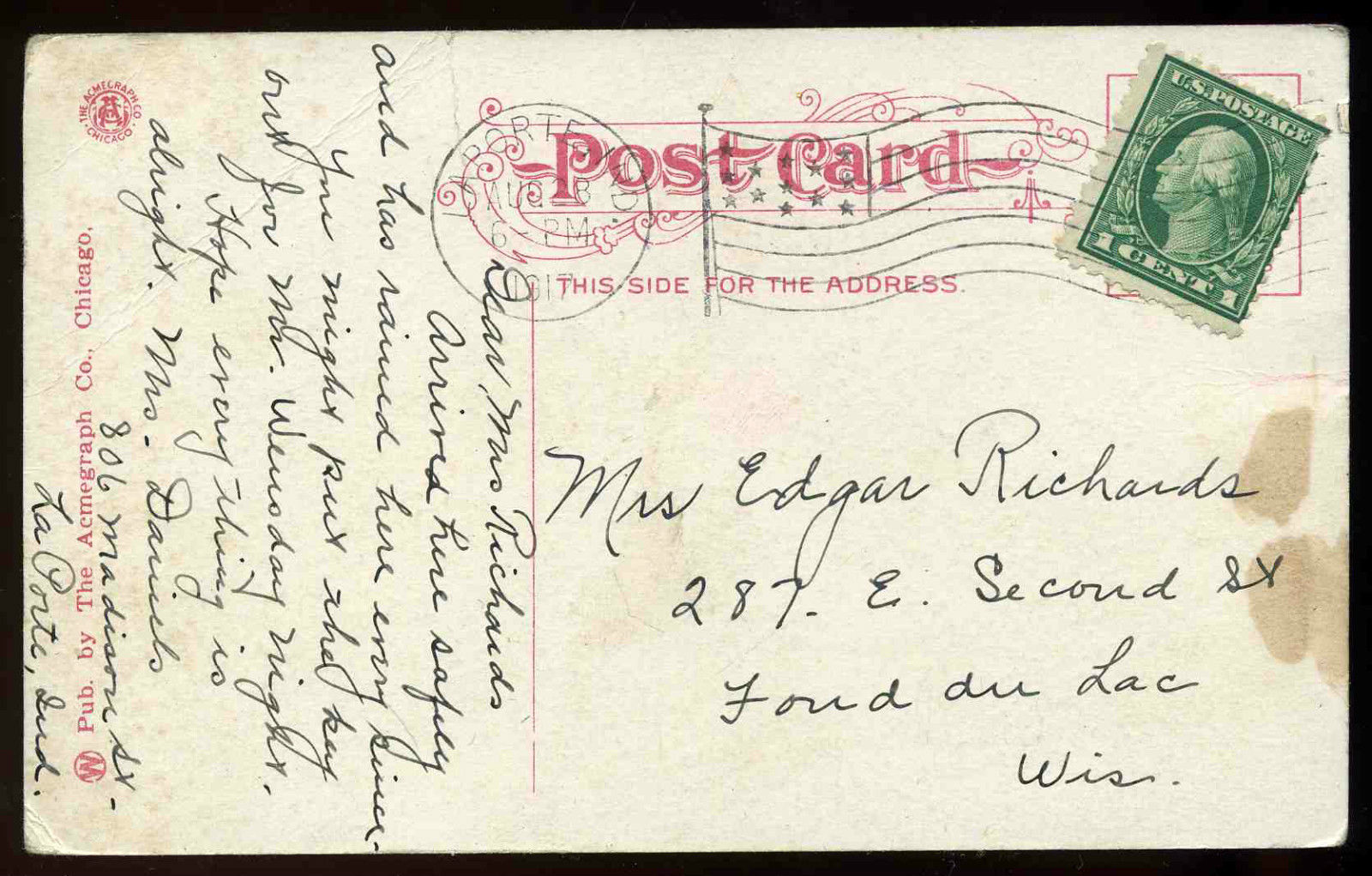
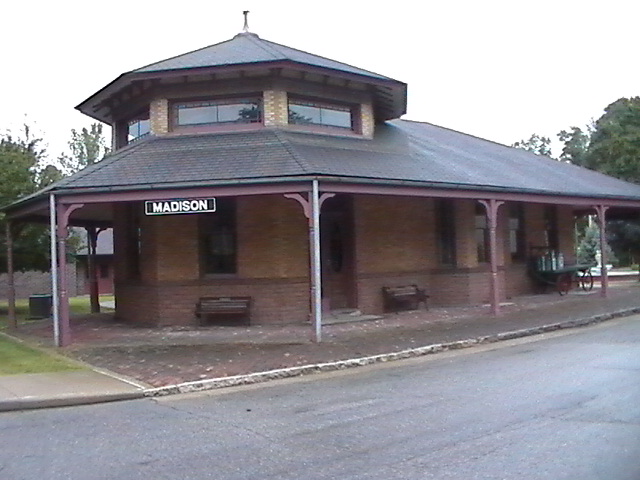 Photo courtesy Denver Todd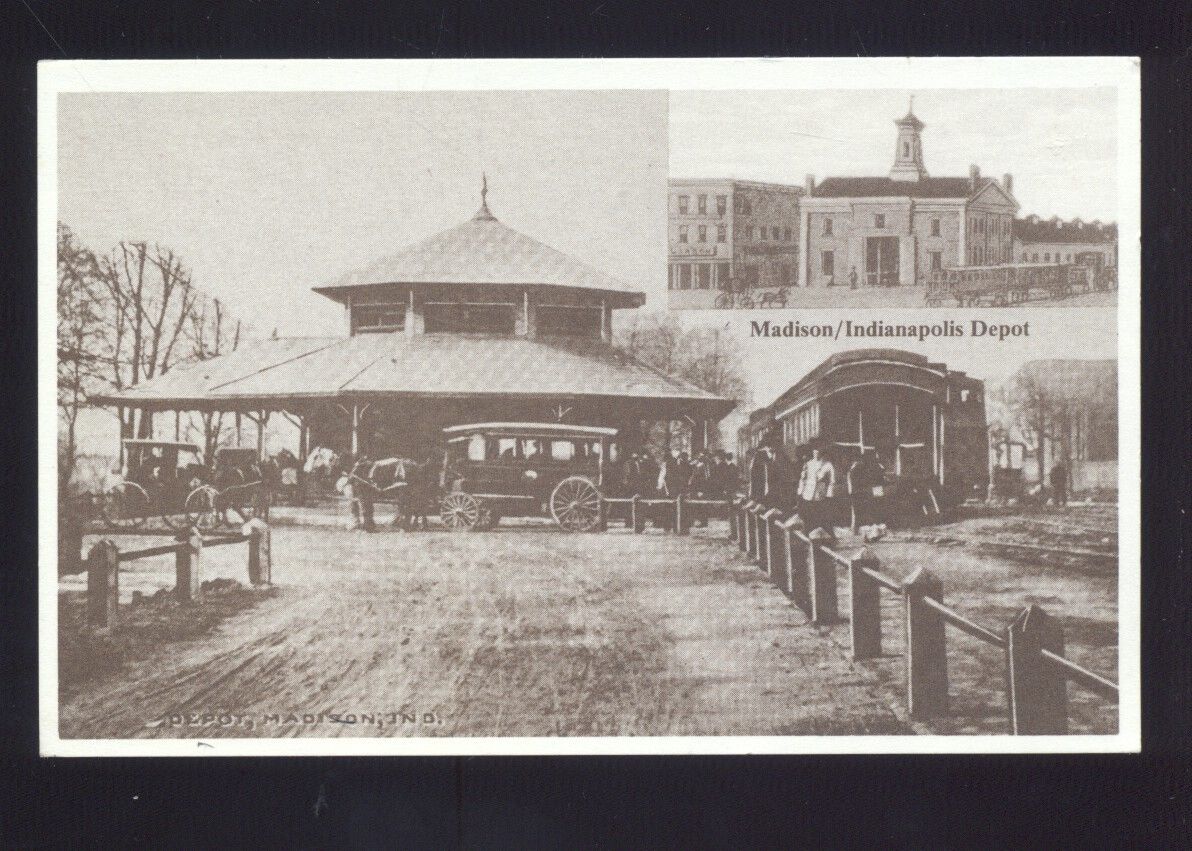
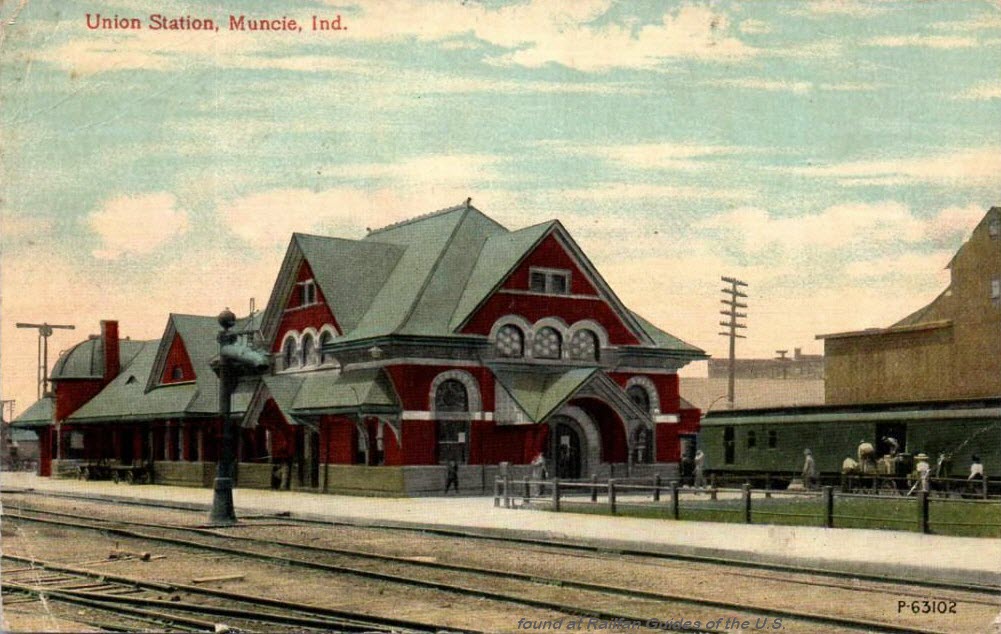
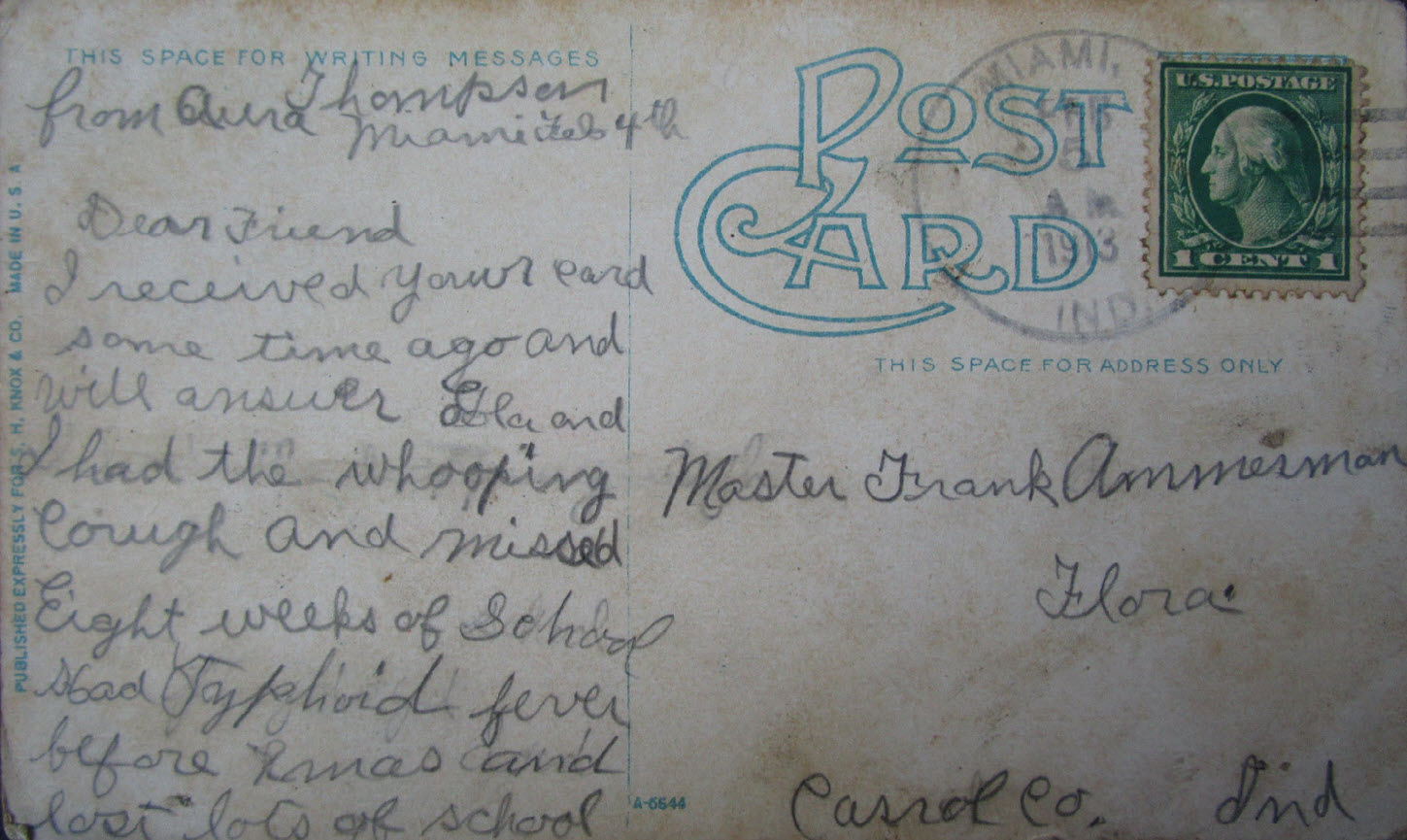
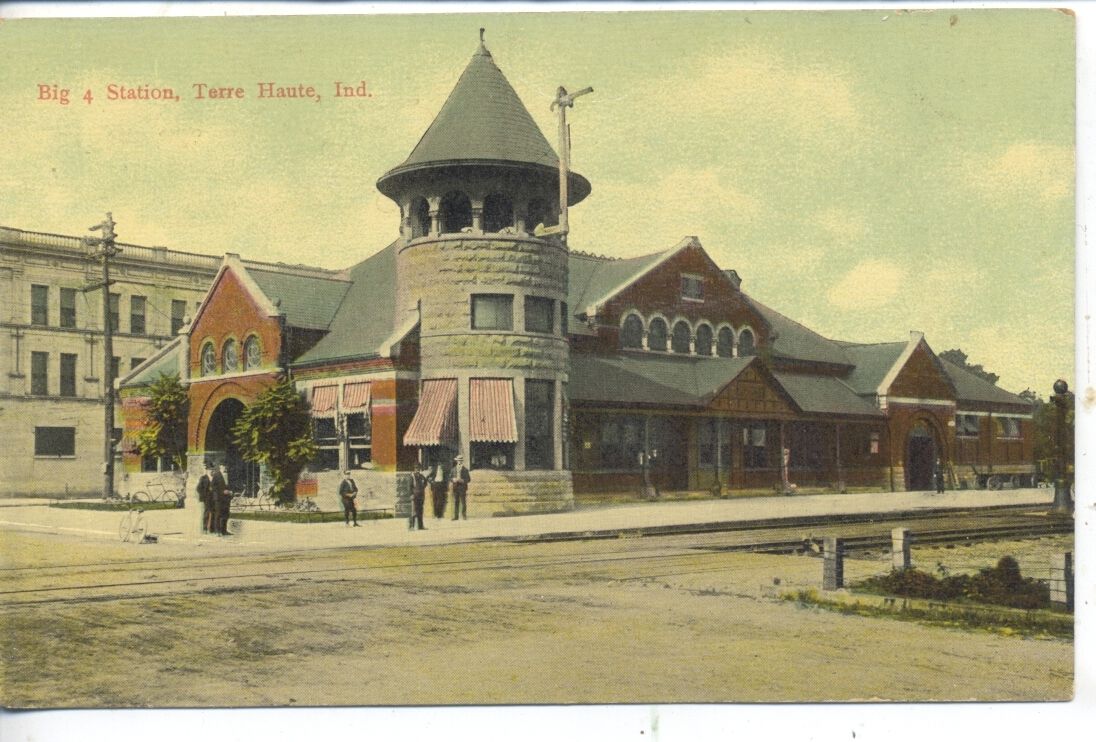
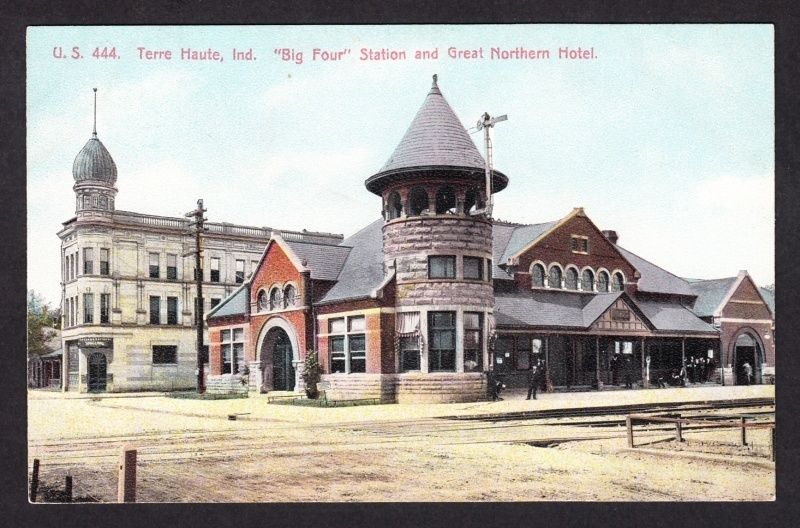
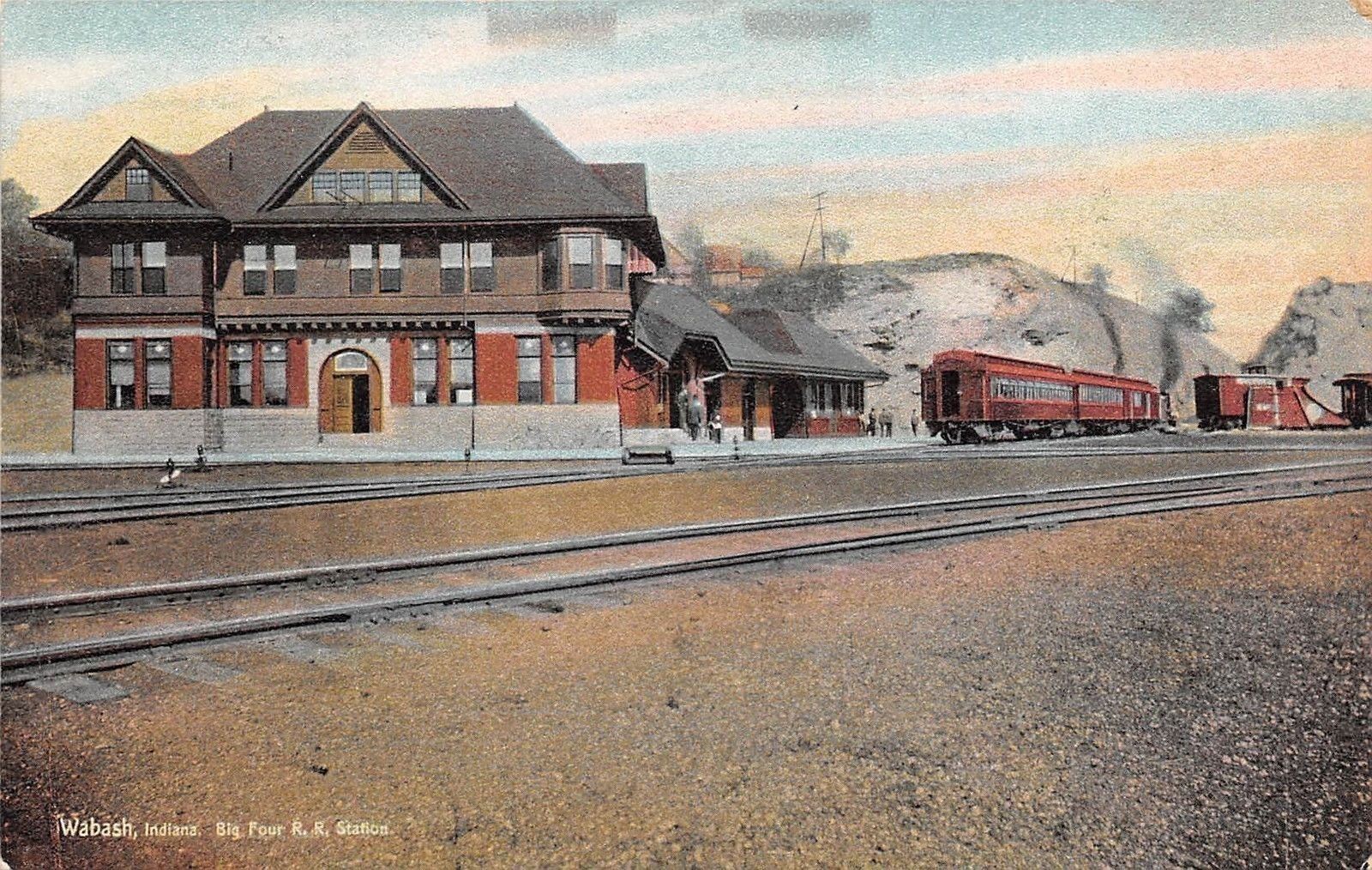
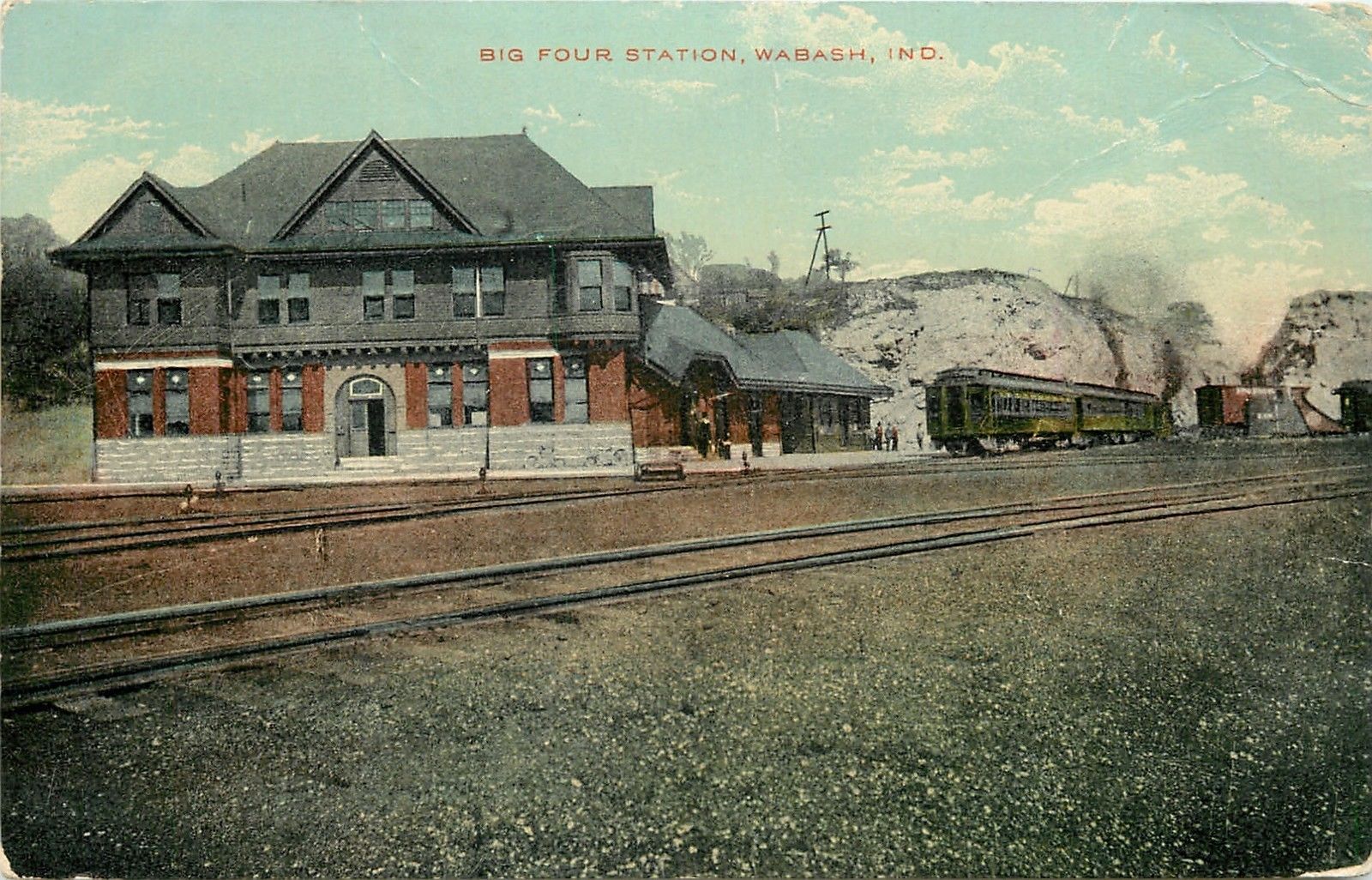
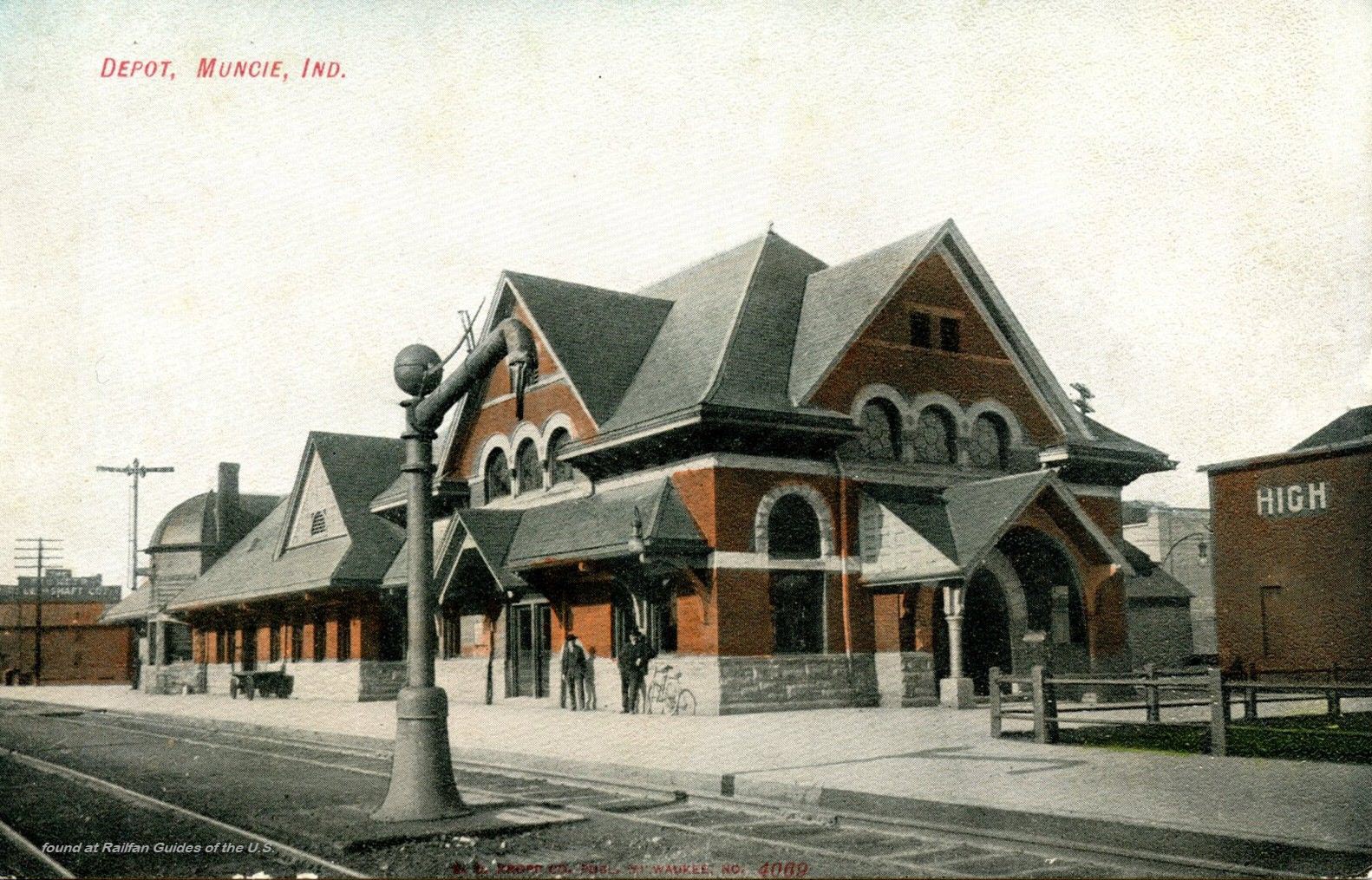 Popular postcard, huh? :-)
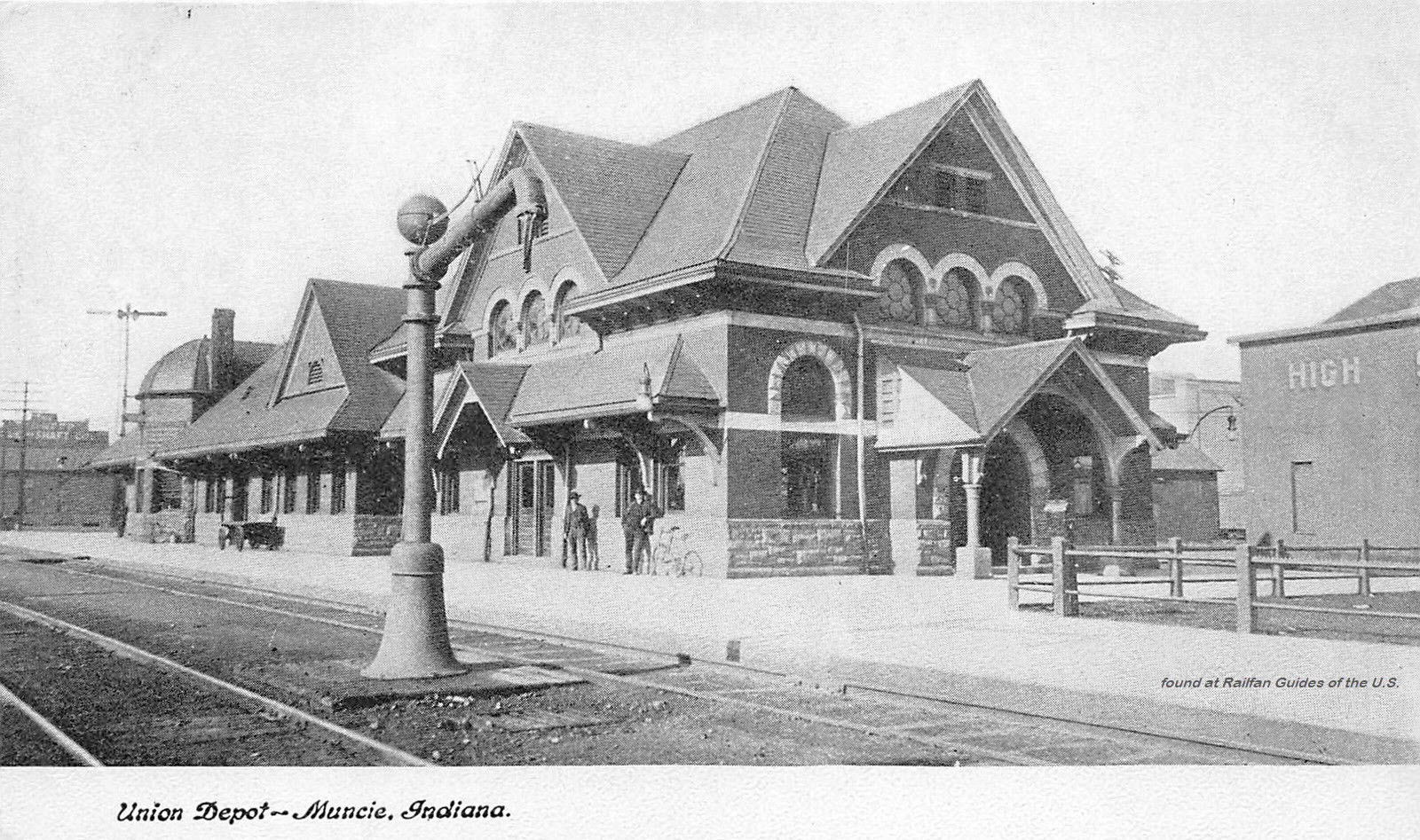 As
Louie says in Hello Dolly: One More Time!
As
Louie says in Hello Dolly: One More Time!