
In General
Pins
Beams
Cross Axles / Shafts
RAILROAD SIGNALS HOME
This page covers Lego parts that are part of their TECHNIC collection.
In the Lego Technic world, there are parts to do just about anything imaginable - things that can't be assembled by using the standard "block and plate" approach like buildings. Together, when you add the "regular" line of elements into the mix, the possibilities are endless.
Technic kits are for things like cars, cranes, bulldozers, other construction equipment, and anything else that can't be built using the standard Lego style brick, or element.
For most Technic kits, you won't see a whole lot of the standard bricks mixed in, but there are places where they come in especially handy if you're building (for instance), a crane, and you need tiles to cover portions of the frame or bricks to build the cab. Standard parts are also used to build things like the doors and seats of vehicles (if the model is large enough to require them).
I know a lot of people reading my non-Lego pages my take issue with me supporting the use of non-Lego manufacturers and parts. Keep in mind that Lego produces a very limited range of kits, while the (mostly) Chinese designers and manufacturers have no bounds, and are not limited by the restriction Lego places on what they will release. It took many years for Lego to release a Star Wars kit, due to the fact that Lego preferred not to promote any "war" related products (including things like guns and tanks). Back in the early 80's, their decision to start offering Star Wars products literally saved them from going chapter 11. With that said, I have encountered very few problems in building non-Lego kits made by outfits such as Mould King, Jiestar, Reobrix, and smaller no-name manufacturers. The biggest problem I have encountered is with the assembly directions, where they usually don't go to the same efforts that Lego does to help the assembly of your kit.
Websites and other additional information sources of interest:
https://www.lego.com/en-us
https://www.brickhello.com/post/2019/05/07/identifying-fake-lego-technic-parts-guide Identifying non-Lego ("fake") parts
Pins Beams Cross Axles / Shafts Other
Pins are to Technic pieces as studs are to the regular elements - they hold
the pieces together. Due to the wide variety of connecting situations,
there is a large number of pins used for various configurations. There
are even Technic elements that feature "built-in" pins.
This pin, Lego part number 2780, is probably the most widely used pin in the
Lego collection. The most common color for the pin is black, and
provides a nice snug fit. Maybe 90% of these style pins are black,
but are available in just about any color. It is used to connect
two standard width pieces together, or each "side" of it can join two
half thickness pieces together.
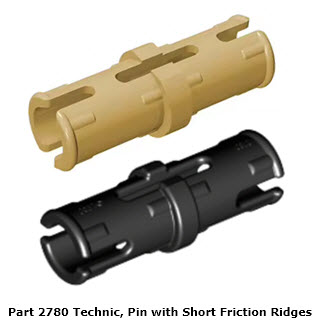
The standard 2780 pin is offered in a number of alternate versions:
-- Part number 61332 has no center slots and short staggered friction ridges.
-- Part number 4489 has long friction ridges.
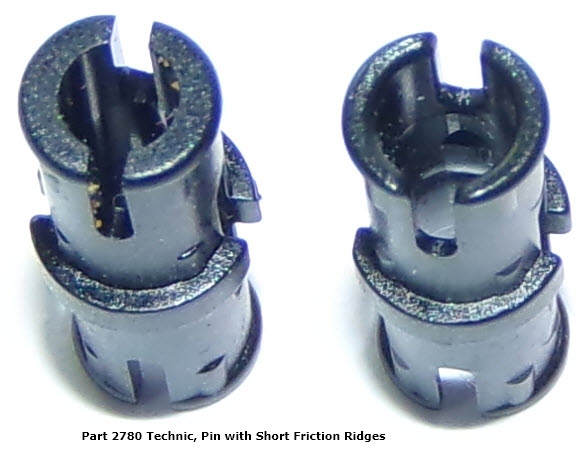
-- Additionally, versions of the part with item number 2780 have differences in the thickness of the plastic at the pin ends.
Not sure how you get one over the other. The differences are shown
above in the picture on the right. (Thank you Brick Link for this info!)
-- Part number 3673 has NO friction ridges, more.....
Some pins, like the 2780 above, are designed to have friction when inserted into a hole, others
are not. Most of the time, you want a joint, or connection, to be as
tight as possible. This depends on a set of eight Ridges, or "nubs" around the
circumference. But when you need an attached piece to rotate or spin, you
want something that does not have any friction. Enter the
"no-friction" pin, part number 3673.
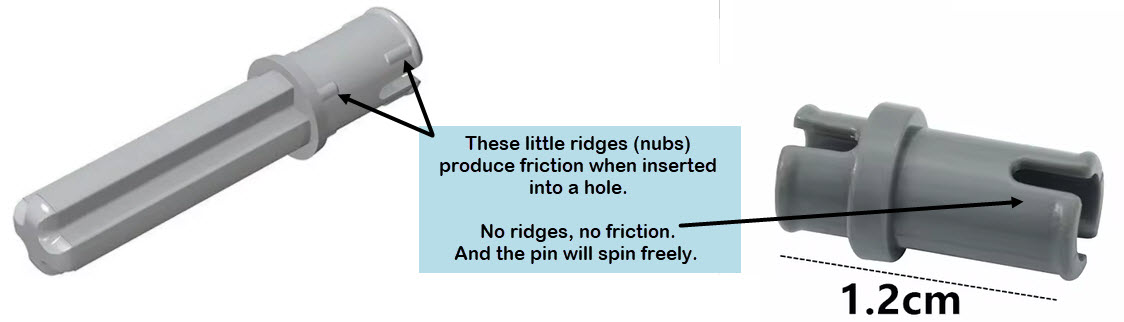
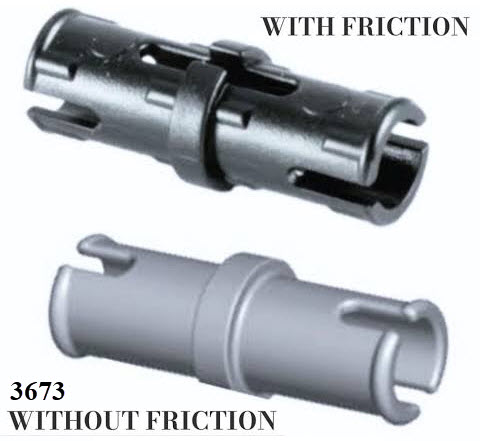
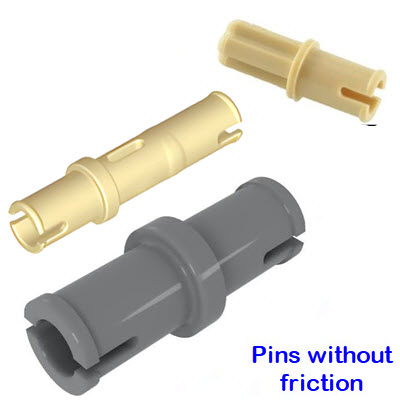
Figure 2 shows a pin used to connect a standard width beam to a half width
beam. Popular colors for this pin are light gray and a light tan.
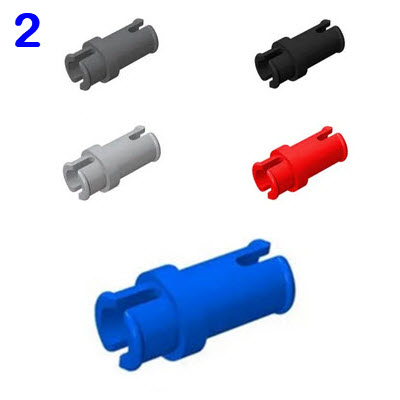
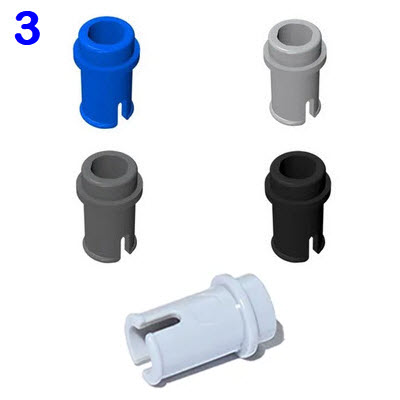
Figure 3 shows the pins that are used to hold (mostly) tiles to the side of
something. Light gray is a popular color for these.
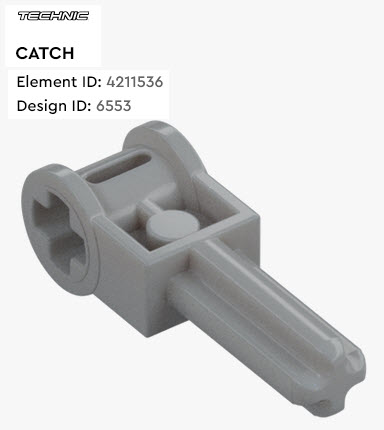
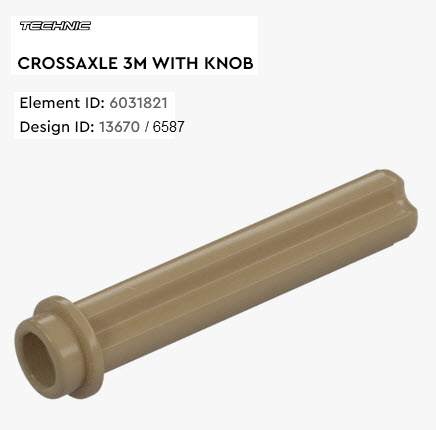
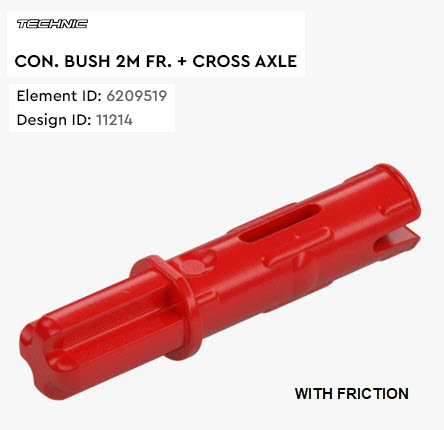
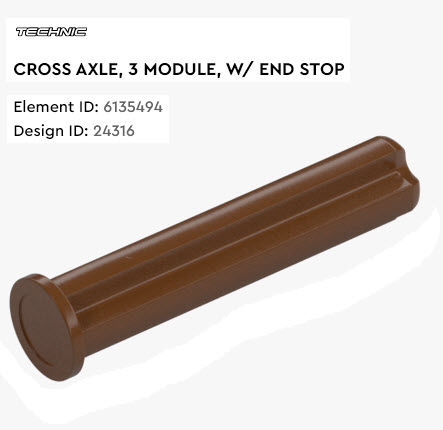
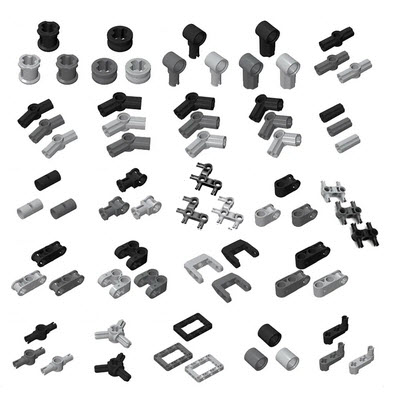
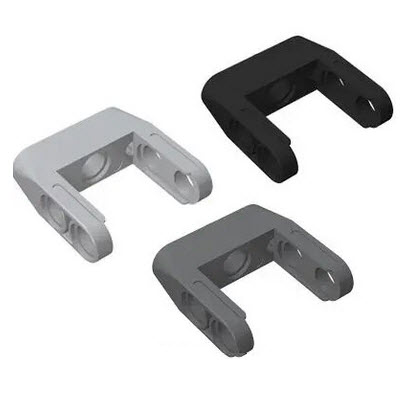
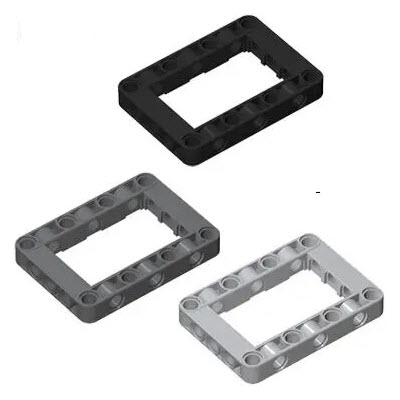
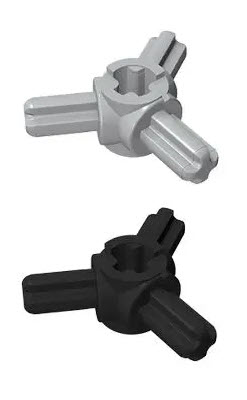
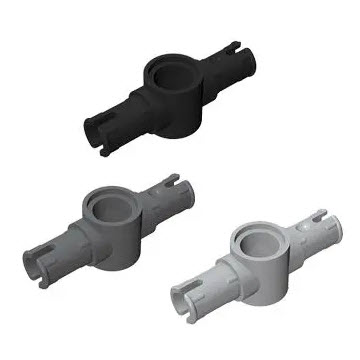
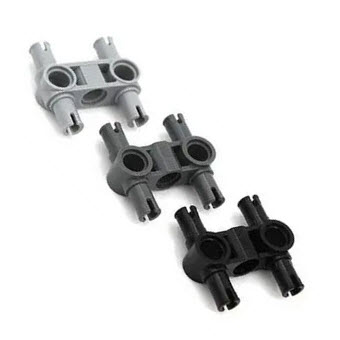
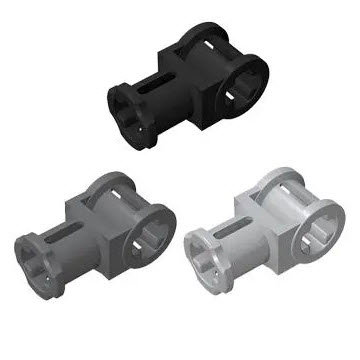
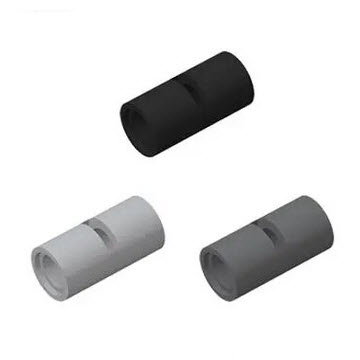
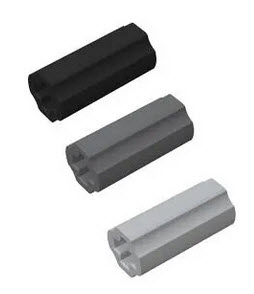
Here is a small sampling of parts available via the Lego "Pick and Build"
section of their website (in no particular order).....
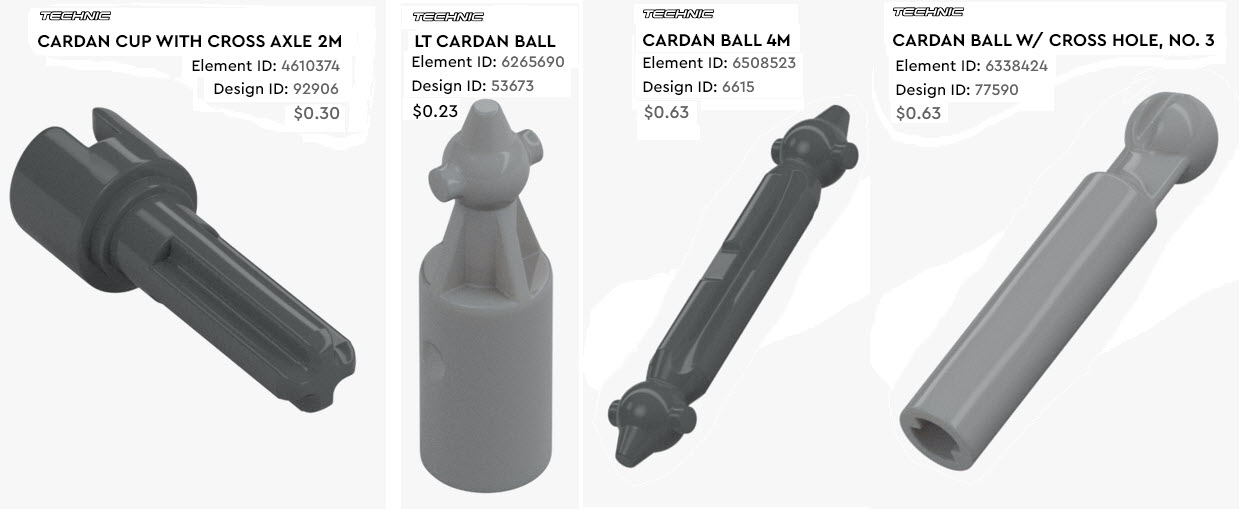
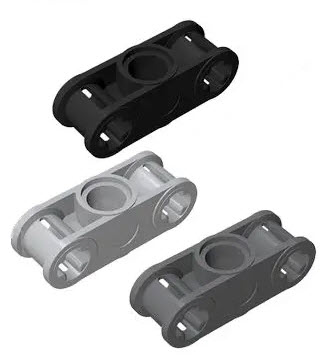
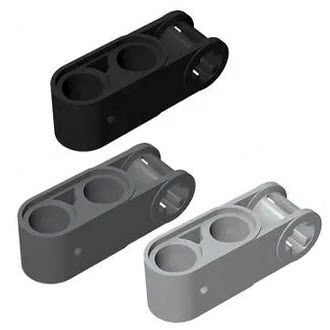
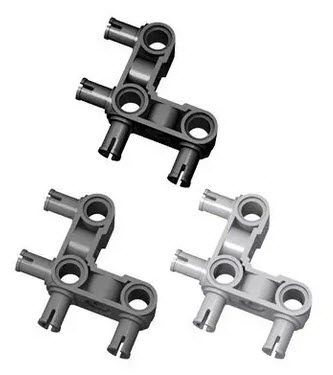
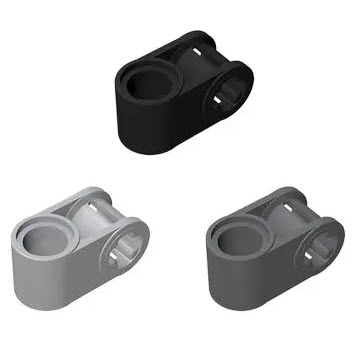
Cardan Cup with mating pieces. Can be used to change direction of a rotating motion.
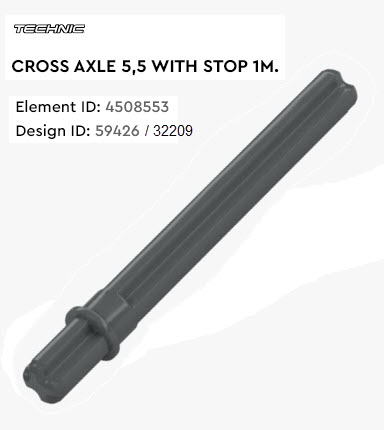
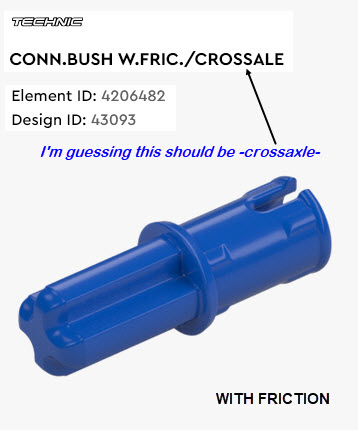
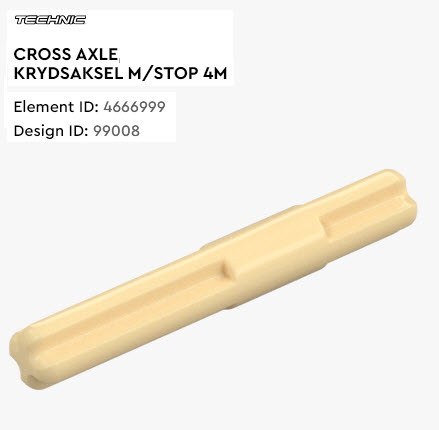
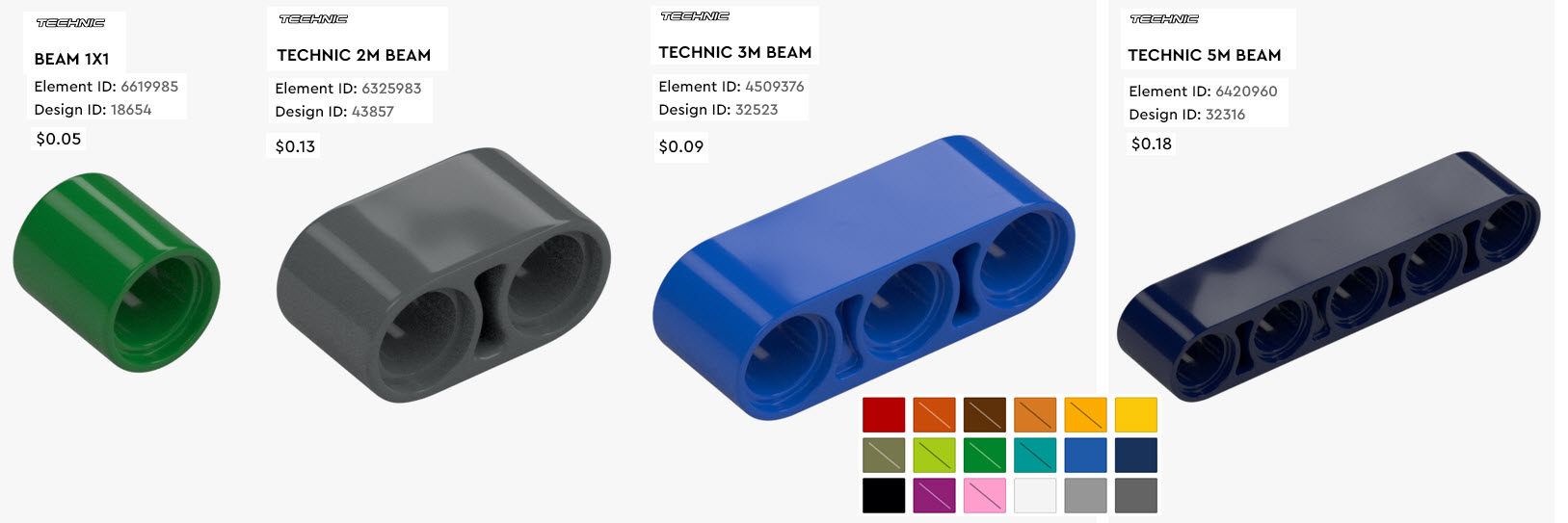
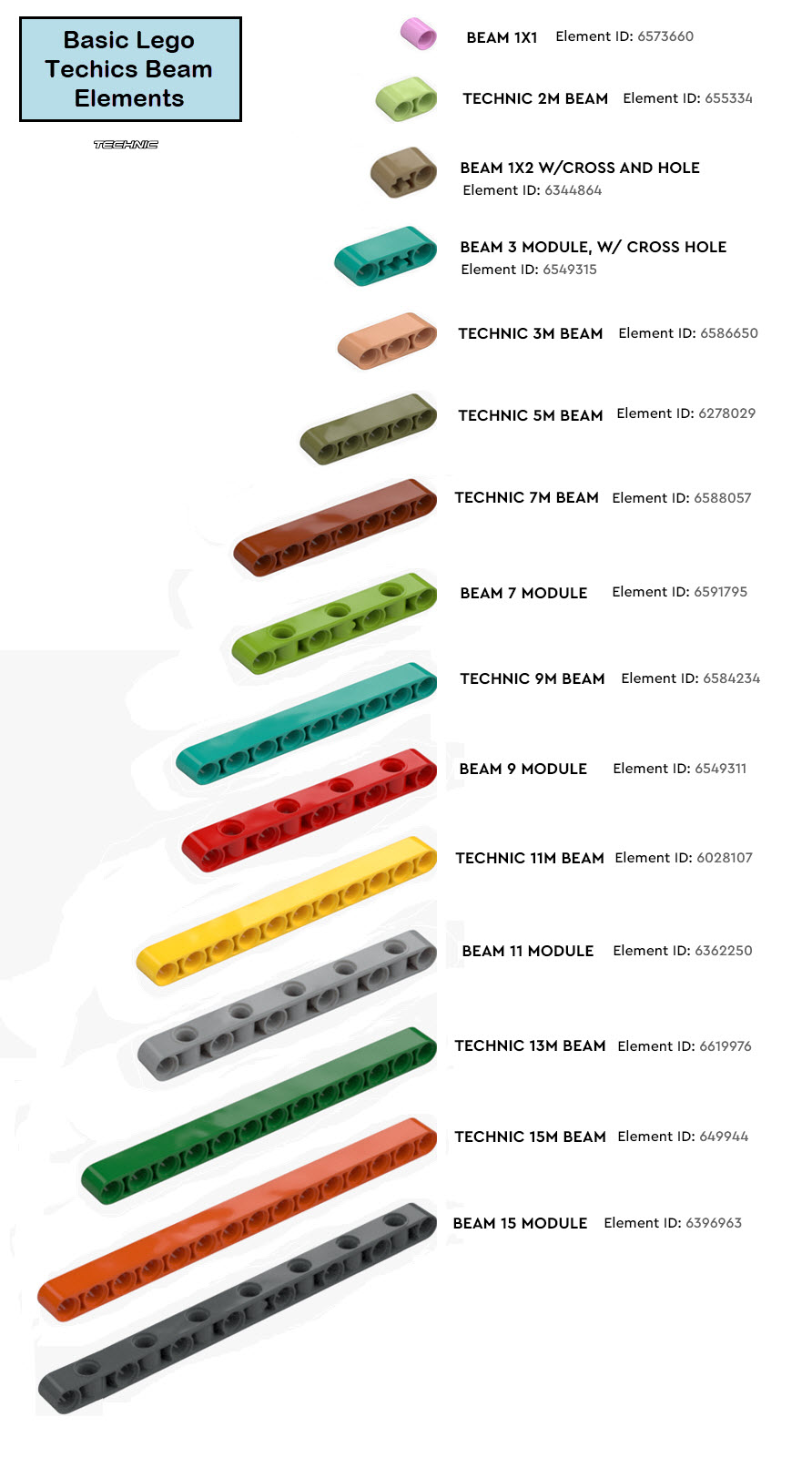
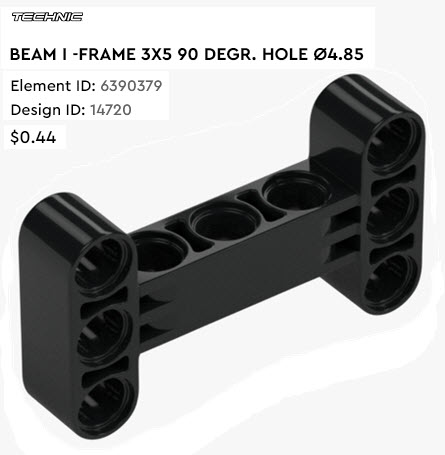
Think of a beam as a 1x1 element, that is filled with holes, so you can join
them in an unlimited variety of ways using pins and axles, altho the 1x1
beam is used mostly as a spacer.
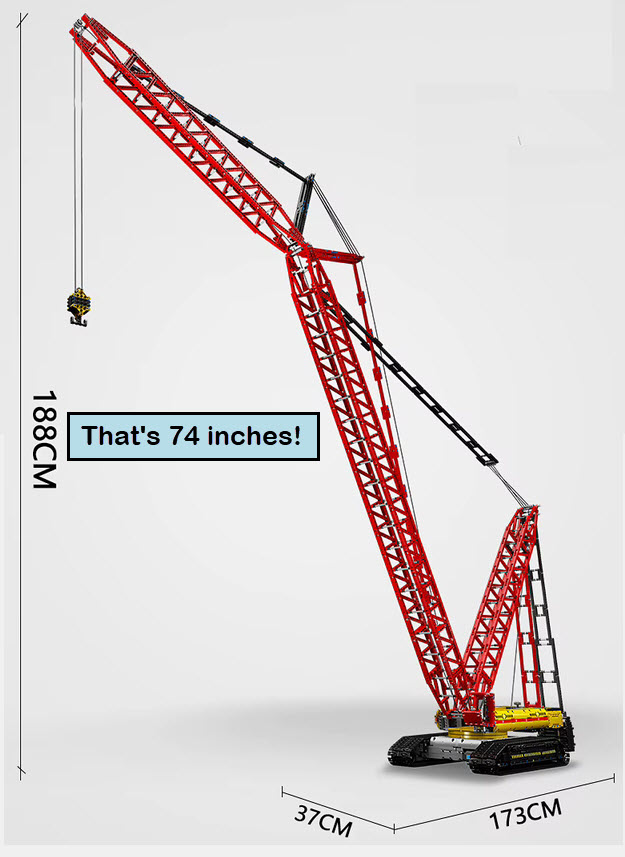
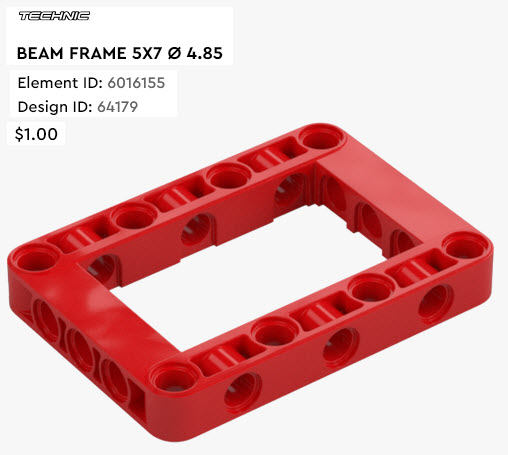
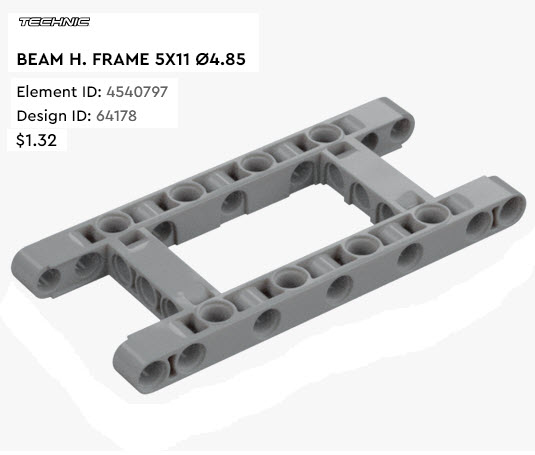
Beams can be used to build things like (but not limited to) bridges and
cranes. And yes, I have that crane; and yes, it's a monster (with six
XL motors); and no, it is NOT a Lego product.
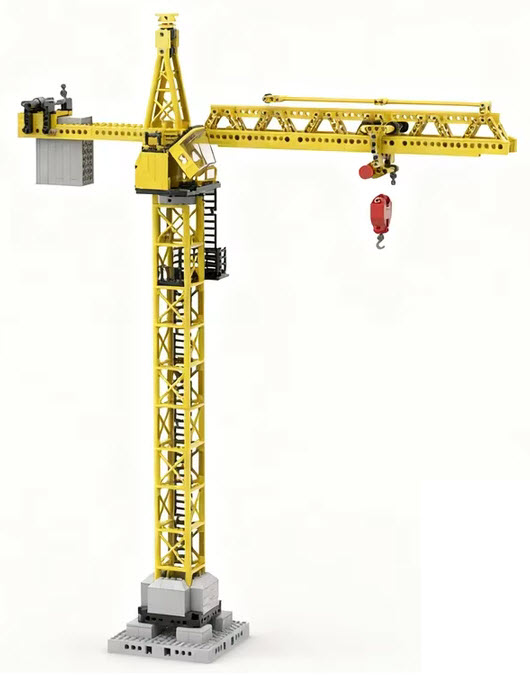
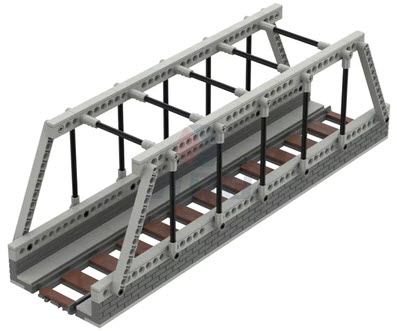
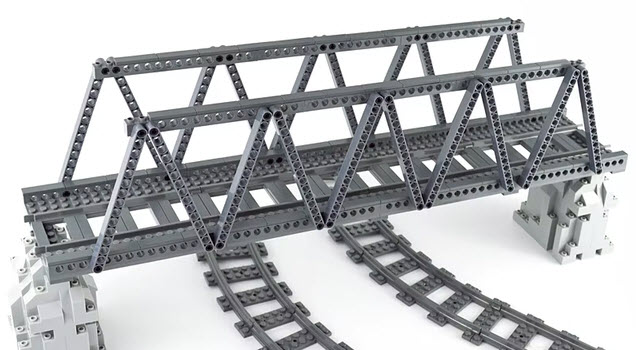
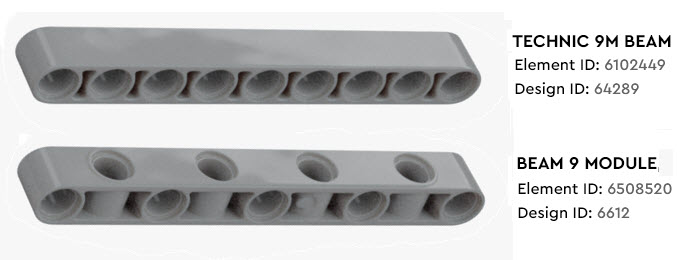
There are two versions of beams - the element with all of the holes on one side is called a BEAM,
and the other with alternating holes, is called a BEAM MODULE.
Cross axles help with assembly by holding pieces together, like a series of
couplings; supporting things like wheels and gears; or transmitting power.
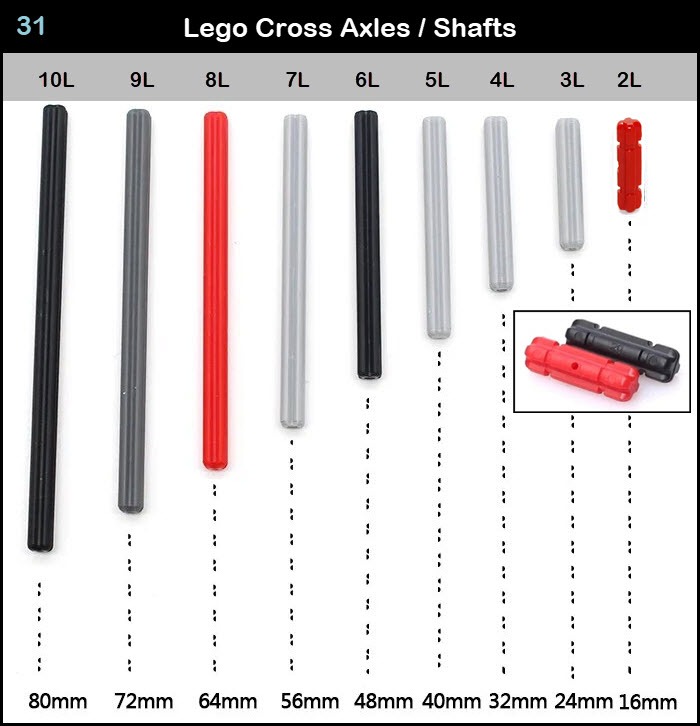
Standard lengths are from 2L to 16L. You will see these parts in
mostly gray, light gray, black, or in the case of the short 2L's, mostly in
red.
Figure 31 shows the relative sizes from 2L to 10L and their lengths in
millimeters.
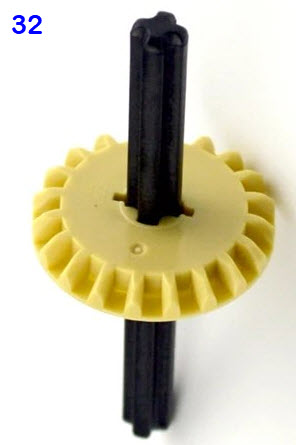
Some kits offer a composite axle for transmitting a bigger load or
supporting bigger wheels.
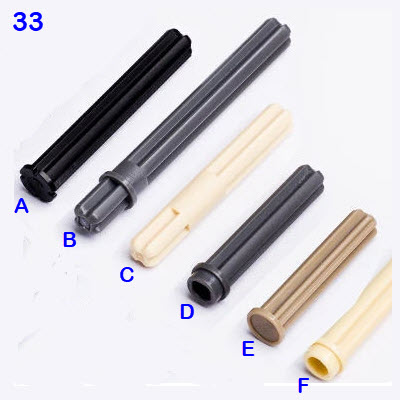
There are special versions of these axles, that include stops and stud ends.
Disclaimers:
New format 10/26/23: Please check out my disclaimer page for my standard dribble and contact info
here
RAILFAN GUIDES HOME
RAILROAD SIGNALS HOME
NEW 03/07/2024, MAR08/09/10/2024,
NOV01/02/04/05/06/07/2026
Last Modified
07-Nov-2026